
Last updated November 17, 2026
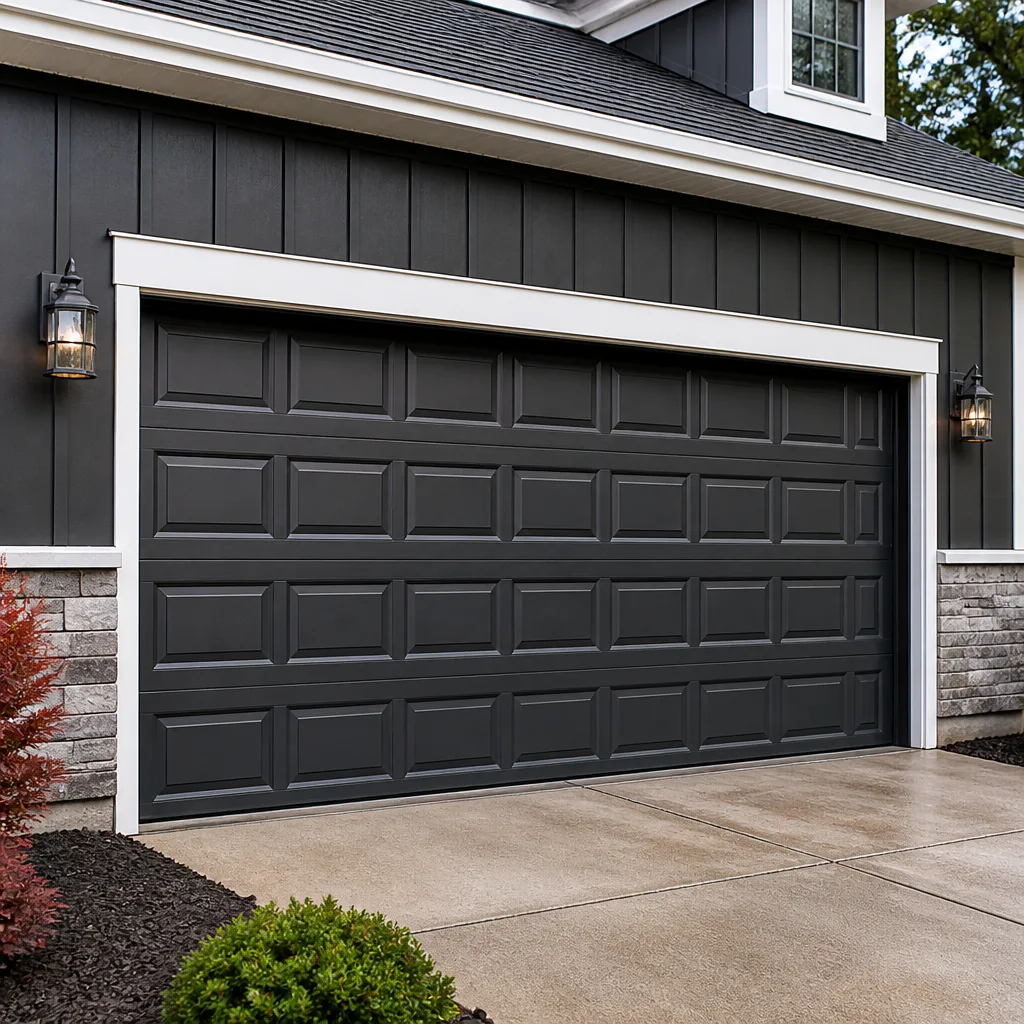 Raised-panel steel
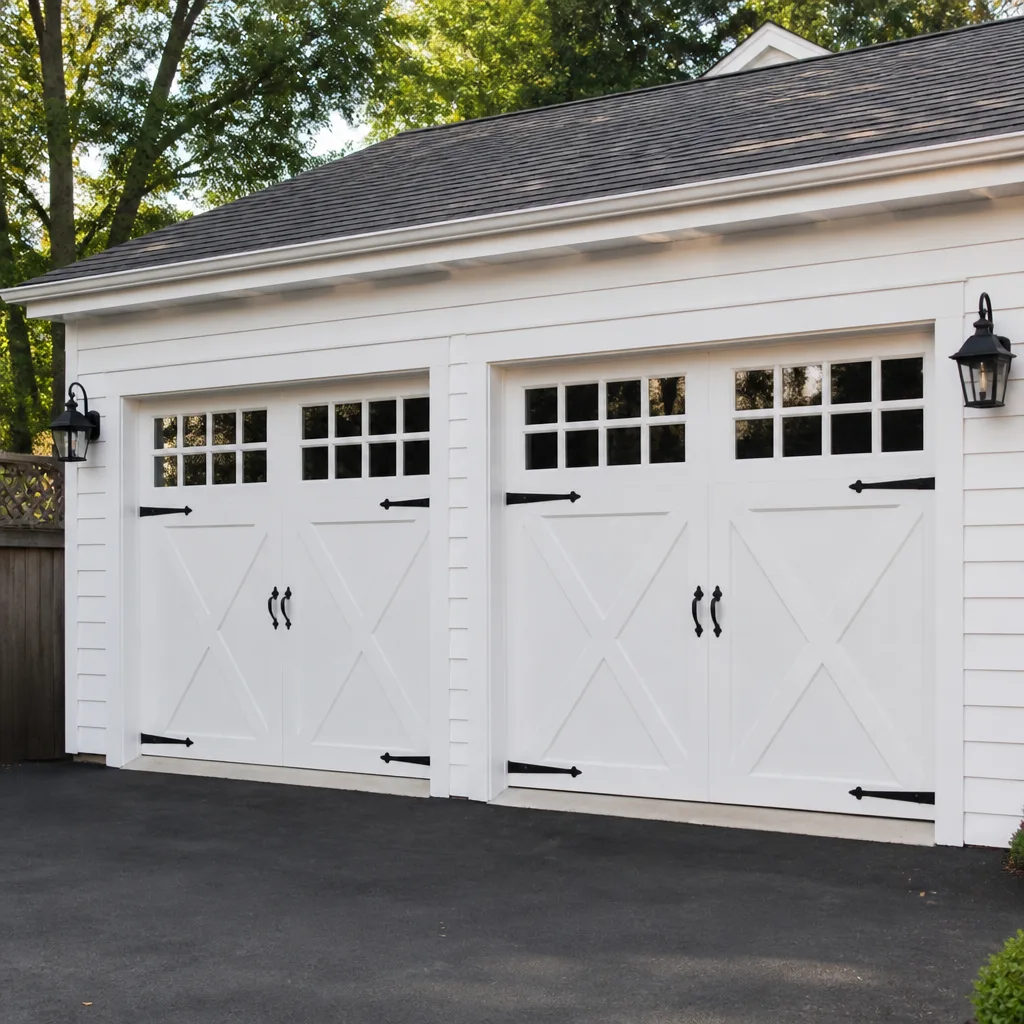 Carriage house
 Modern flush
 Full-view glass
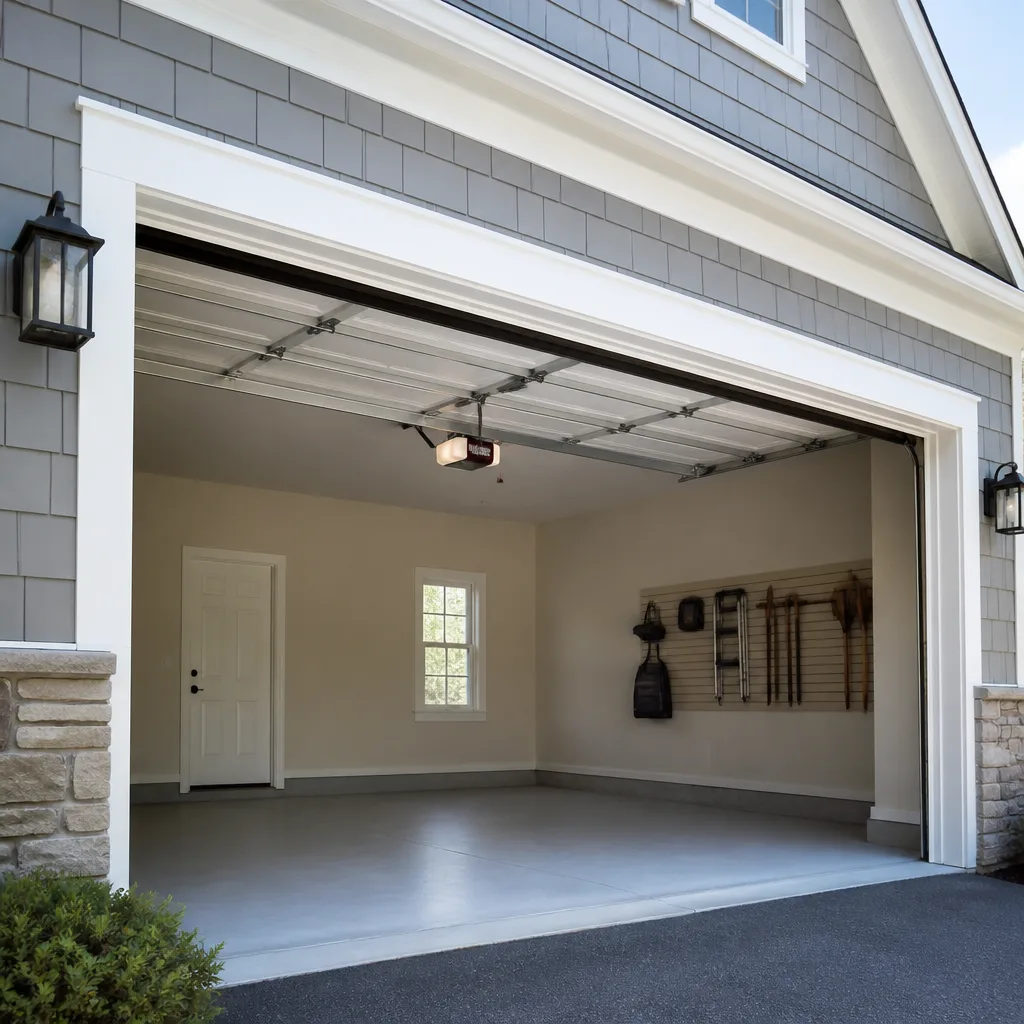 LiftMaster openers
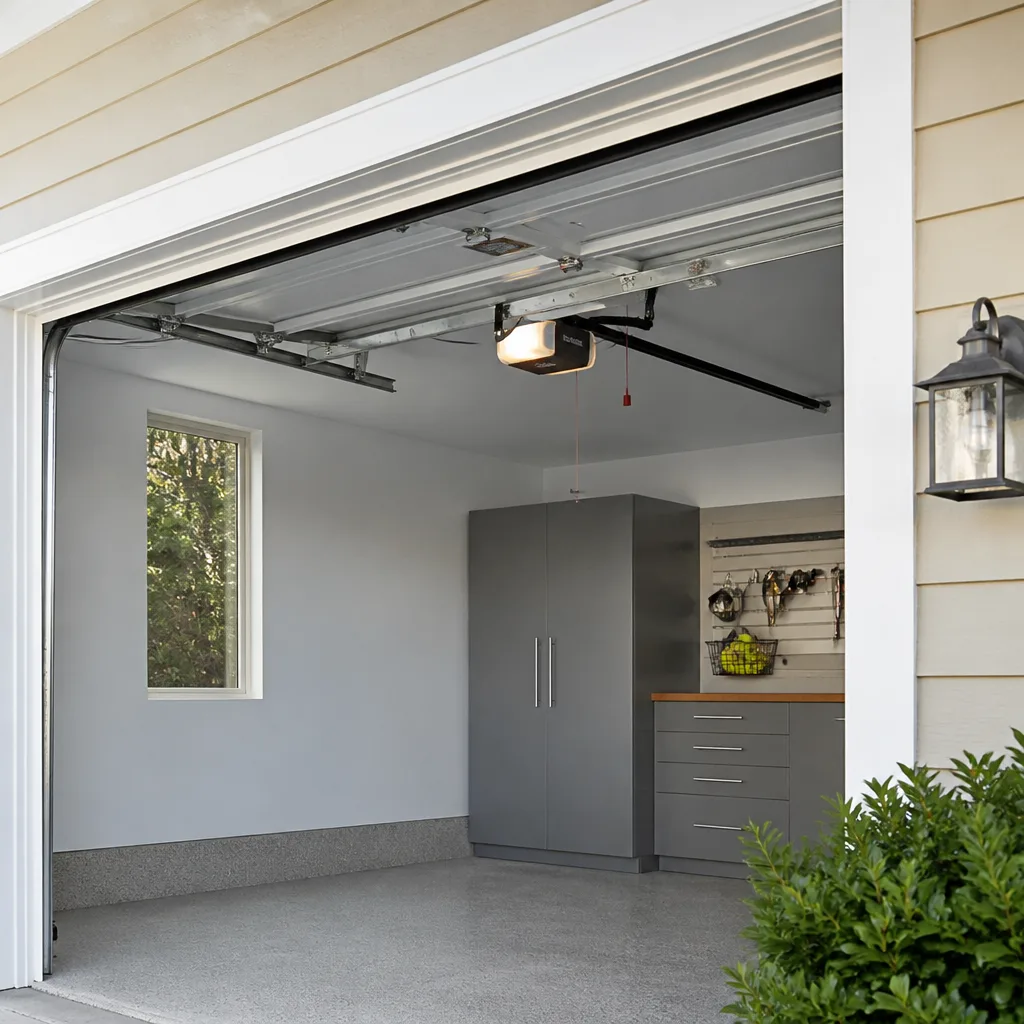 Chamberlain openers
Full 25-point door and opener safety check with every visit - springs, cables, rollers, tracks, and your LiftMaster or Chamberlain opener included
You get a price before we start. It does not change when the pro arrives.
Get your free estimateSeasonal Garage Door Care for Sunrise Manor: Year-Round Homeowner’s Guide
October in Sunrise Manor is the best month to find out your springs are wrong. Here’s why that sounds backwards and isn’t: your torsion springs were tensioned for a 105°F July, and when the desert drops forty degrees overnight, those springs are suddenly carrying more load than they were set for. By January, that extra stress has either snapped a spring or stripped a cable drum. We’ve walked into enough Sunrise Manor garages in the middle of January to know the pattern. This guide walks through what each season actually does to your door in Sunrise Manor, what to check before it costs you, and when to stop poking at it yourself.
Quick Answer
Garage doors in Sunrise Manor need attention at four transition points, not four classic seasons: April (before summer heat loads hit openers and rubber seals), July through September (monsoon dust and moisture), October through November (fall tension recalibration as overnight temps fall), and December through February (cold-weather lubricant and battery-backup checks). The two “swing” months with the most hardware fatigue are March and November, when thermal cycling is most extreme.
Styles & brands we work with
- Raised-panel steel
- Carriage house
- Modern flush
- Full-view glass
- LiftMaster openers
- Chamberlain openers
Table of Contents
- Why Sunrise Manor Doesn’t Have Four Seasons (And Why That Matters)
- April Pre-Summer Prep: Before 110°F Loads Hit
- July – September: Monsoon Readiness for Desert Doors
- October – November: Fall Tension Recalibration
- December – February: What Sunrise Manor Cold Actually Does
- March and November: The Two Months That Wear Hardware Fastest
- The Full Year at a Glance: A Sunrise Manor Maintenance Calendar
- Common Mistakes to Avoid
- When to Call a Professional
Why Sunrise Manor Doesn’t Have Four Seasons (And Why That Matters)
Sunrise Manor sits in a stretch of the Mojave that doesn’t do gentle transitions. You get roughly four months of brutal summer heat, three or four months of genuinely cold nights, and a monsoon window in between that nobody from out of state expects. The other months are pleasant enough that people forget the door is a piece of hardware bolted to the house.
The mechanical problem is thermal cycling. Every time the metal in your tracks, hinges, and cables expands with heat and contracts with cold, a tiny amount of wear gets added to the system. In a mild climate that cycling happens slowly over months. In Sunrise Manor, we get forty-degree overnight swings on a routine March or November week, and that cycling compresses years of normal wear into days. That’s why a door that’s only a few years old in Sunrise Manor can have the fatigue profile of a much older door somewhere with a stable climate.
Two more local factors make this worse:
- Blowing dust. Sunrise Manor gets dust events that deposit grit into rollers, tracks, and the gap under the door. Grit grinds. It doesn’t just sit there.
- Monsoon-driven moisture. The moisture doesn’t stay around long, but it arrives sideways and under pressure, which finds the one gap in your bottom seal and the one unsealed weatherstrip edge on the frame.
None of that requires a major investment to handle. It requires knowing when to look. That’s what the rest of this guide is for.
April Pre-Summer Prep: Before 110°F Loads Hit
April in Sunrise Manor is the last calm month before the heat sets in. It’s also the month where most of the summer damage gets baked in if you skip it. Here’s what to check before the temperature climbs.
- Test the opener’s force reversal and balance. Disconnect the opener and lift the door by hand to about halfway. If it doesn’t stay put without dropping, the springs are out of balance and the opener is about to do a job it wasn’t designed to do. A door that needs a lift assist will put six months of stress on the opener in the first week of June.
- Inspect rubber and vinyl seals. The bottom seal and side weatherstripping both degrade faster in a hot, dry climate than anywhere else. Run a hand along the bottom seal and look for cracking, flattening, or a visible gap when the door is down. A brittle seal in April will be a leaker by August.
- Clear the track and check the rollers. A stiff roller in April becomes a locked roller in July. Look for flat spots on steel rollers (a sign of wear) and roll each one by hand to feel for drag.
- Look at the control board’s cooling. Modern openers like current LiftMaster and Chamberlain units have a control board in a plastic housing on the ceiling of a garage that may reach 130°F in July. If the housing is dusty and the vents are blocked, that board runs hotter than it was designed for. A quick vacuum of the vents in April is worth a lot in August.
- Charge or check the battery backup. Test the opener’s battery backup by unplugging the unit and running the door once. If it struggles or won’t run, replace the battery before summer, not during it.
That last point matters more than people realize. When the power grid gets stressed in extreme heat, garage doors without working battery backup stay stuck. Don’t wait for that day to find out.
July – September: Monsoon Readiness for Desert Doors
Downburst winds during a monsoon can hit 60 mph in minutes, and they carry a wall of dust ahead of them. That dust goes into every gap in your garage. Then the rain arrives sideways, and it follows the same paths the dust just opened up.
The conditions that do the most damage in Sunrise Manor during monsoon season:
- A failed bottom seal. When the seal is flattened or cracked, wind-driven rain gets under the door and lands on the slab inside. That’s where the water stain on your garage floor comes from.
- Wind-loaded side weatherstripping. The vinyl or rubber strip running down the jambs takes the most direct hit from summer storms. If it’s tucked wrong or worn thin, moisture gets behind the frame.
- Dust in the tracks. After a wind event, the tracks near the floor often have a visible dust film. That dust becomes a grinding paste every time the door rolls.
- Loose hardware. A monsoon gust puts lateral force on the door when it’s closed. Loose hinges or bracket bolts will rattle one step closer to failing.
After a big storm, walk the perimeter of the closed door with a flashlight and look for daylight, dampness, or dust trails on the inside. Any of those three means the seal needs attention now, not in November. If you’re noticing drafts or water getting in after a monsoon, that’s a good time to call for a quick look before the next storm cycle arrives.
October – November: Fall Tension Recalibration
This is the section most homeowners have never thought about. Springs carry tension based on the temperature they were set at. A torsion spring set in July has its tension calibrated for summer conditions. When overnight temperatures fall into the 50s and 40s in October, the spring metal contracts slightly and the effective tension changes. On a door that was marginally out of balance in summer, that small shift is often enough to push it over the edge.
We see three specific failures as a result:
- Snapped torsion springs. The classic “one loud bang from the garage at 6 a.m.” call. Usually a spring that had been running hot all summer and got the last nudge from the October temperature drop.
- Cable drum slippage. When the tension changes unevenly (common on older doors where the two springs have slightly different fatigue levels), the cables can start to walk on the drums.
- Opener strain. The opener now has to lift a door that no longer balances the way it did in June. You’ll hear the motor labor more than it used to.
Do not attempt to adjust the tension yourself. A torsion spring is a mechanical energy store that a trained tech handles with specific winding bars and a counting method. A door is 200 pounds riding on two springs. Respect it.
What you can do in October is listen. If the door sounds different than it did in July, or the opener labors where it used to glide, that’s a signal to have someone look at it before the first hard cold snap hits. Our Garage Door Repair in Sunrise Manor service includes a full balance and tension check, and we can tell you what’s left on the springs the same way you’d get a tread depth reading on your tires.
December – February: What Sunrise Manor Cold Actually Does
Sunrise Manor winter is not Minnesota. It’s also not Palm Springs. The overnight temps routinely drop below 30°F in January and February, and for desert-adapted hardware, that’s enough to matter.
The two winter-specific issues we see most:
1. Lubricant viscosity changes
White lithium grease and light oils used on tracks and hinges are formulated for a broad temperature range, but at 25°F a thin film can become nearly solid. Result: the door drags on opening and you hear grinding that wasn’t there in October. The fix is simple – a proper lubricant applied to the right points before the cold settles in – but you have to actually do it in November or early December to see the benefit. Do it in January and you’re chasing the problem instead of preventing it.
2. Battery backup in the cold
Cold reduces battery capacity. A battery backup that tested fine in September may give you one or two door cycles at 28°F instead of the five or six you were counting on. If your power goes out on a cold January night and your door won’t open, that’s almost always a battery that needed replacing in October. Check the battery indicator on your opener in late fall and replace it proactively if it’s older than two years.
3. Weatherstripping that shrinks
Vinyl and rubber seals contract in cold. A seal that fits tightly in October can pull away from the frame by January. If you feel a draft along the bottom of the door on a cold morning, that’s the shrinkage, not a mystery.
For more on opener issues in cold weather, including what a struggling motor usually means, see our Garage Door Opener Repair & Installation in Sunrise Manor page.
March and November: The Two Months That Wear Hardware Fastest
If you’re going to pick two months to have a technician look at the door, pick March and November. These are the swing seasons where Sunrise Manor’s thermal cycling is most extreme. A door that sits at 85°F in the afternoon and 40°F by midnight is expanding and contracting through a bigger temperature range than at any other time of year. That’s when hinge pins, roller stems, and bracket bolts take the most load cycles.
We look at four things during a swing-season check:
- All hinge screws and bracket bolts, torqued to spec (loose hardware is the number one cause of track misalignment in a swing month)
- Roller condition (steel rollers will show flat spots; nylon rollers will show cracks)
- Cable condition at the drums and at the bottom bracket (fraying cables are a stop-driving-this-door item)
- Torsion spring cycle count (we can see the wear pattern on the coils and give you a realistic estimate on remaining service life)
If you skip March, do November. Doing both in the same year once is usually enough to catch problems before they become repairs. Our Garage Door Installation in Sunrise Manor service also includes a swing-season review as part of any new-door install, because new hardware has the same thermal cycling stress starting on day one.
The Full Year at a Glance: A Sunrise Manor Maintenance Calendar
Here’s the year compressed into a schedule you can actually keep up with. Print it or put it in your phone.
- March: Swing-season check. Hardware torque, roller condition, cable inspection.
- April: Pre-summer prep. Balance test, seal inspection, track clean, board vent vacuum, battery test.
- May – June: Monitor. Listen for any new grinding or straining as the heat builds.
- July: Monsoon readiness. Post-storm seal and track inspection after each wind event.
- August – September: Continue post-storm checks. Address any water intrusion or dust ingress before winter.
- October: Fall tension recalibration. Have the springs and cable drums checked by a technician as overnight temps fall.
- November: Second swing-season check. Lubricant application before cold sets in. Battery backup replacement if 2+ years old.
- December – February: Cold-weather monitoring. Listen for drag, watch for seal shrinkage, keep the battery good.
Two technician visits a year (March and November) plus homeowner checks in the other months will keep almost any door running well in Sunrise Manor. If this is a new home to you, ask for a baseline inspection first so you know what you’re starting from.
Common Mistakes to Avoid
- Spraying WD-40 into the tracks. WD-40 is not a lubricant in the sense your tracks need. It attracts dust and evaporates. Use a proper lithium or silicone door lubricant, and wipe the tracks clean before you apply it.
- Ignoring a snapped spring and running the opener anyway. The door will feel heavy and the opener will strain, but the real risk is the door coming down uncontrolled. That’s a call-someone-today problem, not a run-it-till-it-quits problem.
- Adjusting torsion springs without the right tools. Coil springs are wound under hundreds of foot-pounds of torque. A wound torsion spring that lets go while your hand is near it removes fingers. Do not do this yourself.
- Replacing the bottom seal with a universal fit and calling it done. Sunrise Manor’s monsoon rain comes sideways. A seal that doesn’t contact the slab all the way across will let water into the garage during the first storm. Measure the actual gap.
- Skipping the October tension check because the door still looks fine. A torsion spring doesn’t look strained right up until it snaps. You can’t see the fatigue. A technician can read the wear pattern.
- Running a cold-morning door without letting it warm up once. On a 25°F morning in January, watch the door’s first open of the day. If it drags, the problem is already there. Waiting for a second failure doesn’t fix the first one.
- Not checking your battery backup in the fall. It’s a twenty-second test – unplug the opener, run the door once, plug it back in. Do it in November and your January power outage won’t leave your car sealed in.
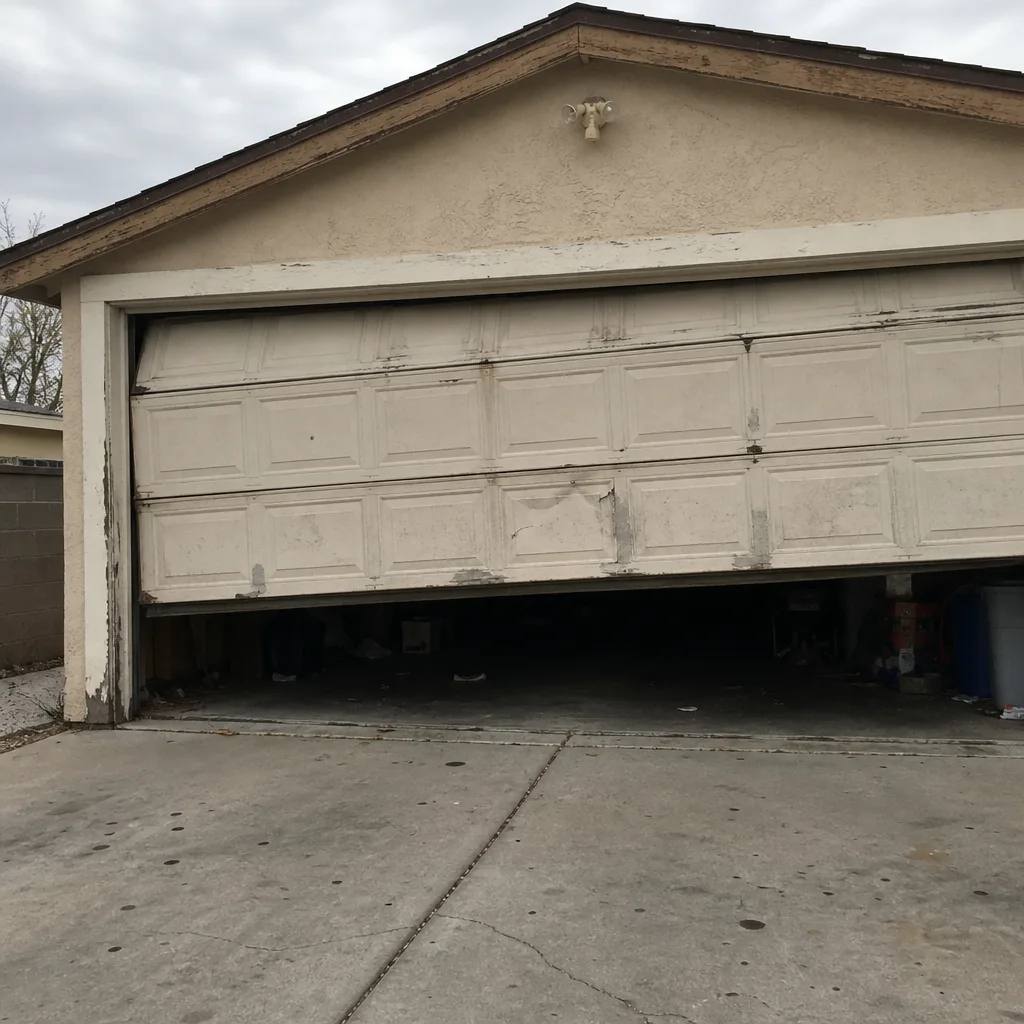
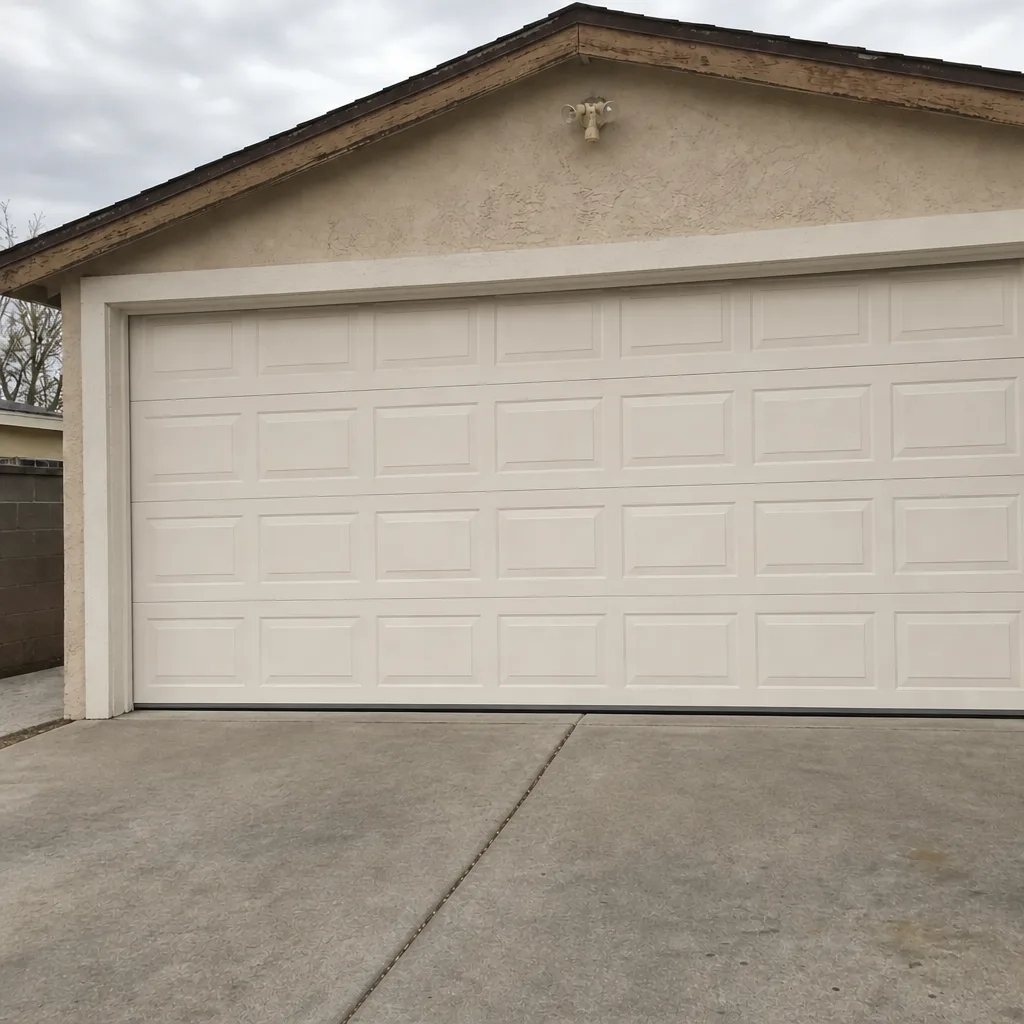
See the difference
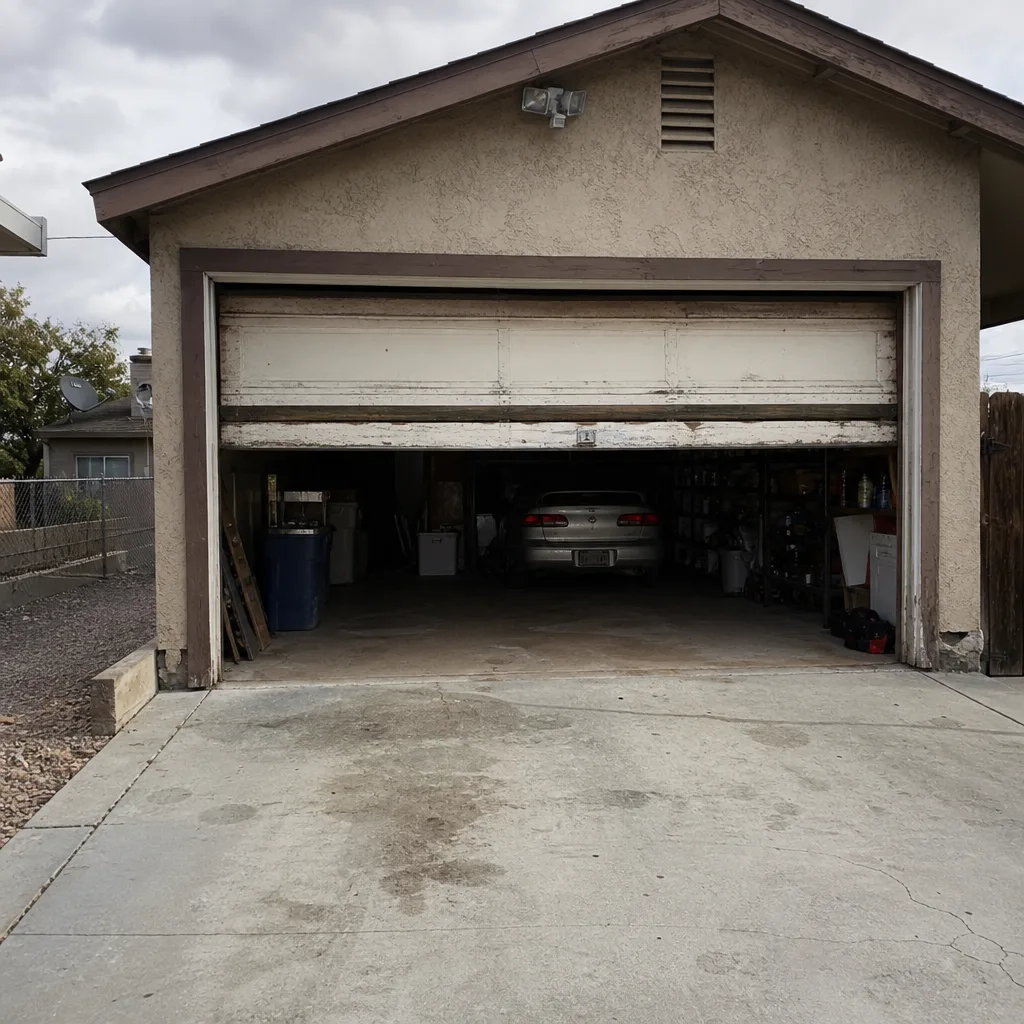 Before
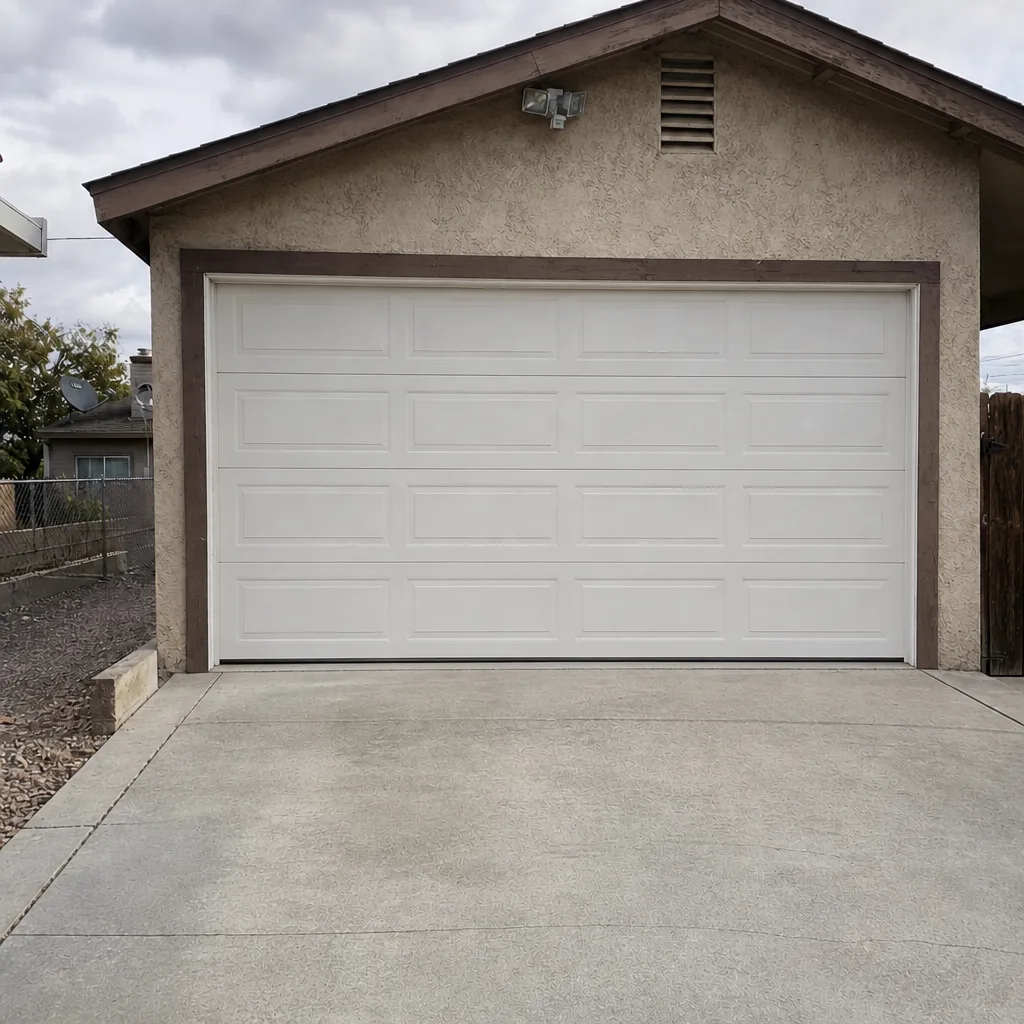 After
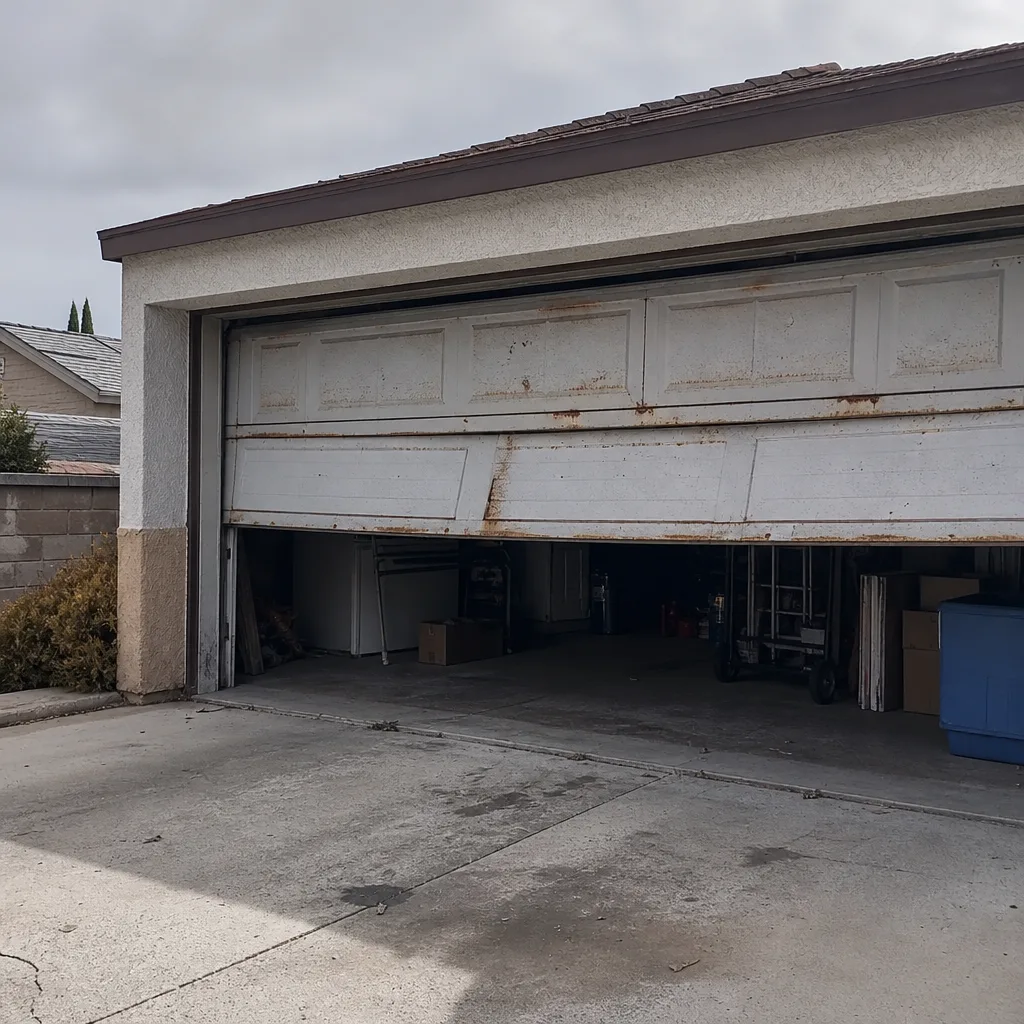 Before
 After
 Before
 After
When to Call a Professional
Some maintenance a homeowner can handle. A few things should not be a homeowner project.
Call a professional immediately if a torsion spring has broken (you’ll hear the bang), if you see a frayed or kinked cable, if the door won’t stay up when you lift it by hand, if you hear metallic grinding that didn’t exist before, or if the opener reverses or stops short for no obvious reason. Also call if your door is older than roughly seven years and you’ve never had the springs checked – in Sunrise Manor’s thermal cycling environment, that door is well past due for a spring cycle audit. If you’re experiencing any of these right now, don’t drive on it.
Otto’s Garage Door Sunrise Manor offers free estimates in Sunrise Manor, no trip charge inside the home county, and a live person answers the phone around the clock even when a spring lets go at nine at night. Call (888) 274-8795. If you’ve had another company quote you, we’ll do a free second opinion on that written estimate before you commit to anything.
Frequently Asked Questions
Twice a year is the right cadence for a Sunrise Manor door, and specifically in March and November when thermal cycling is most extreme. That may sound like more than a door in a mild climate would need, but the forty-degree overnight swings here do more hardware damage than most homeowners realize. A yearly service will keep the door running; two services a year will catch problems before they become repairs. We’ve seen doors that were only three years old in Sunrise Manor show the fatigue levels of doors twice that age elsewhere.
It’s almost always a snapped torsion spring. The spring was tensioned for summer conditions, and when overnight temperatures drop to the 40s and 50s in October, the effective tension changes and pushes an already-fatigued spring over the edge. Stop driving the door as soon as you hear that sound, because a door running on one spring puts enormous strain on the other spring, the cables, and the opener. Call (888) 274-8795 for a repair quote; we quote on the call and hold that number.
Dust ingress is harder to prevent than to clean up. The practical approach: after every significant wind event in the monsoon window, wipe down the track surfaces with a dry cloth, re-lubricate lightly, and check that the bottom seal is making full contact. If the bottom seal has any gap, that’s where the dust is getting in. Replacing a worn bottom seal before July is one of the best investments you can make for monsoon readiness in Sunrise Manor.
Sometimes. Cold reduces battery capacity, and a battery that was already marginal in September will fail in January. Test the battery backup in late fall by unplugging the opener and cycling the door. If it doesn’t comfortably open the door, replace the battery now, not after it fails. Battery backup units from LiftMaster and Chamberlain have clear indicators on the housing that tell you when the battery needs replacement.
No. A torsion spring stores hundreds of foot-pounds of mechanical energy – a door is 200 pounds riding on two springs – and the winding process requires specific tools, a counting method, and training. People who attempt it end up in the emergency room with serious hand and arm injuries. We’re not being overly cautious; we’ve heard the stories. On this repair, the cost of a trained tech is money well spent against the cost of an injury.
November. It’s the month that combines two things: falling temperatures that stress the springs and cables, and the last practical chance to apply lubricant before the cold settles in. An October check followed by a November service will catch the fall tension problem and prep the door for a Sunrise Manor winter. If you can only do one service this year, do it in November. Our Otto’s Garage Door Sunrise Manor home page has the full service list, or call (888) 274-8795 for a free estimate.
The Bottom Line
Sunrise Manor’s two brutal seasons and two tolerable ones create four transition points where your door needs attention, and two swing months (March and November) where hardware fatigue accelerates fastest. April prep protects your opener and seals before 110°F loads hit. July through September monsoon readiness keeps wind-driven dust and moisture out. October tension recalibration catches the springs that are about to snap. And December through February, the cold checks that catch lubricant and battery problems before they leave you stranded. Two technician visits a year plus a few homeowner inspections in between will keep the door running for the long haul.
If you’ve had a quote for repair or maintenance from another company and want a straight answer on it, we’ll do a free second opinion on any written estimate. No trip charge inside the home county. Call (888) 274-8795 to get an estimate – a live person answers, even at nine at night.
Written by the team at Otto’s Garage Door Sunrise Manor.