
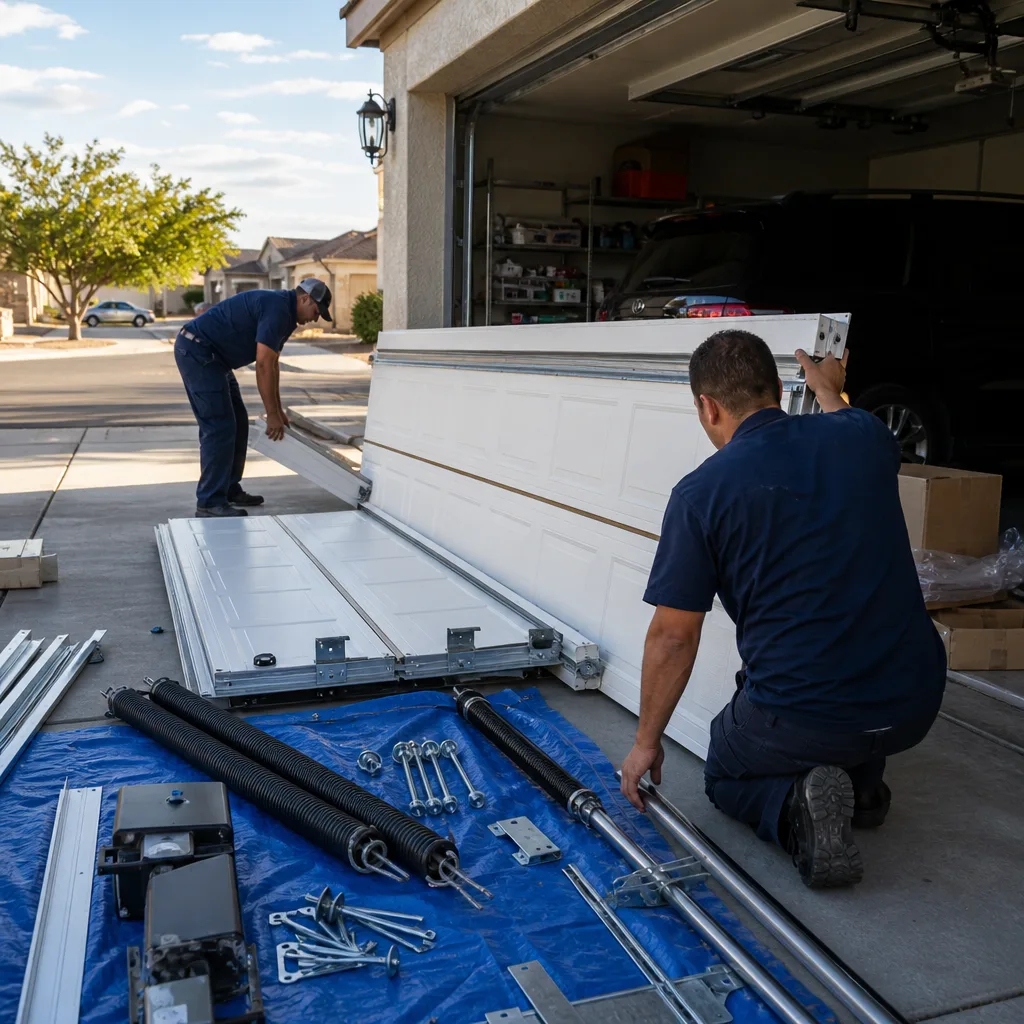
Last updated November 17, 2026
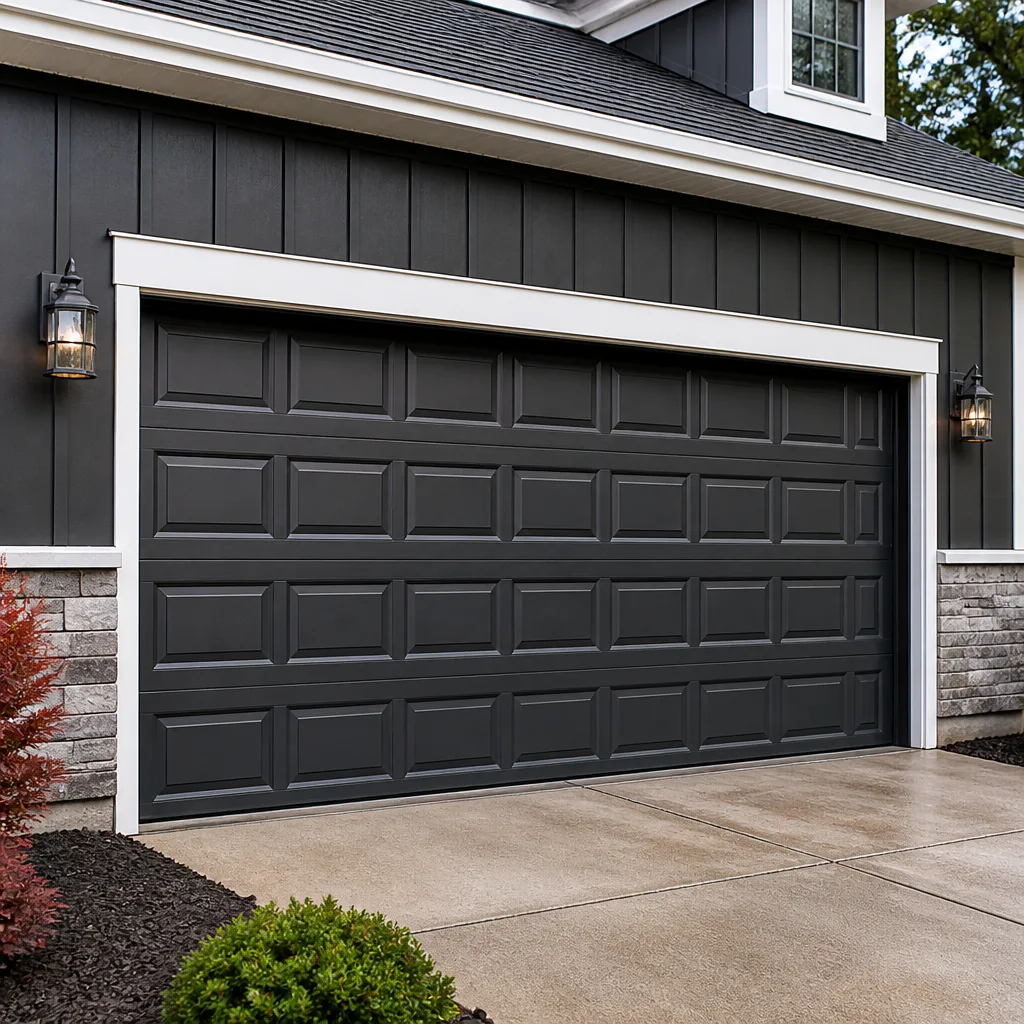 Raised-panel steel
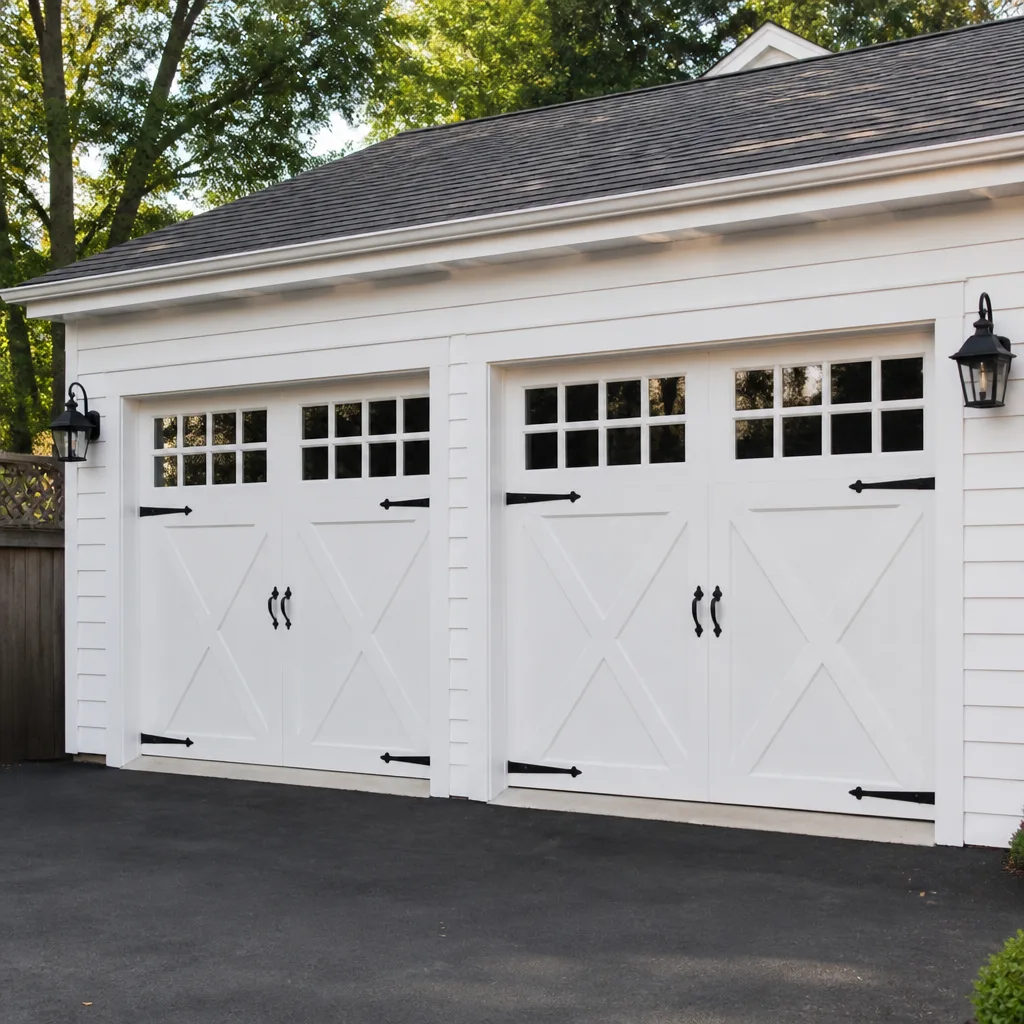 Carriage house
 Modern flush
 Full-view glass
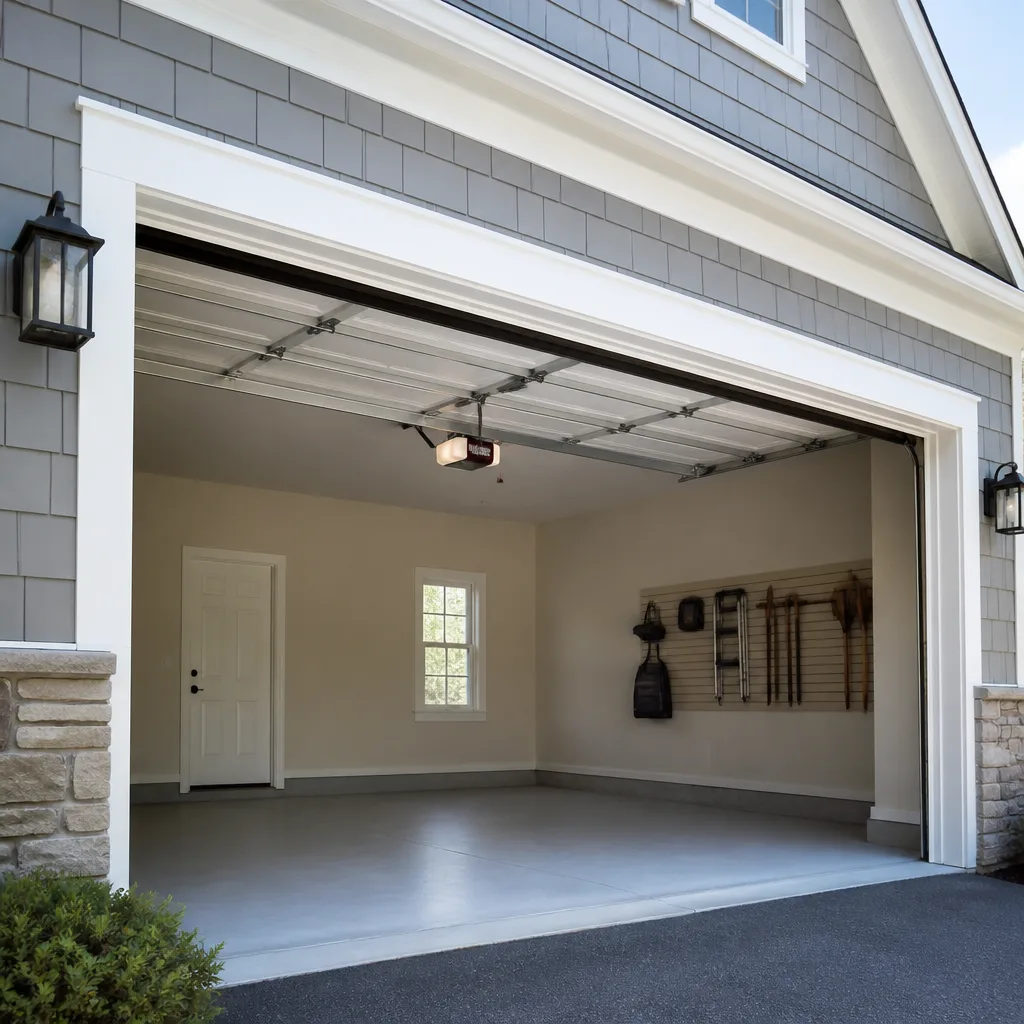 LiftMaster openers
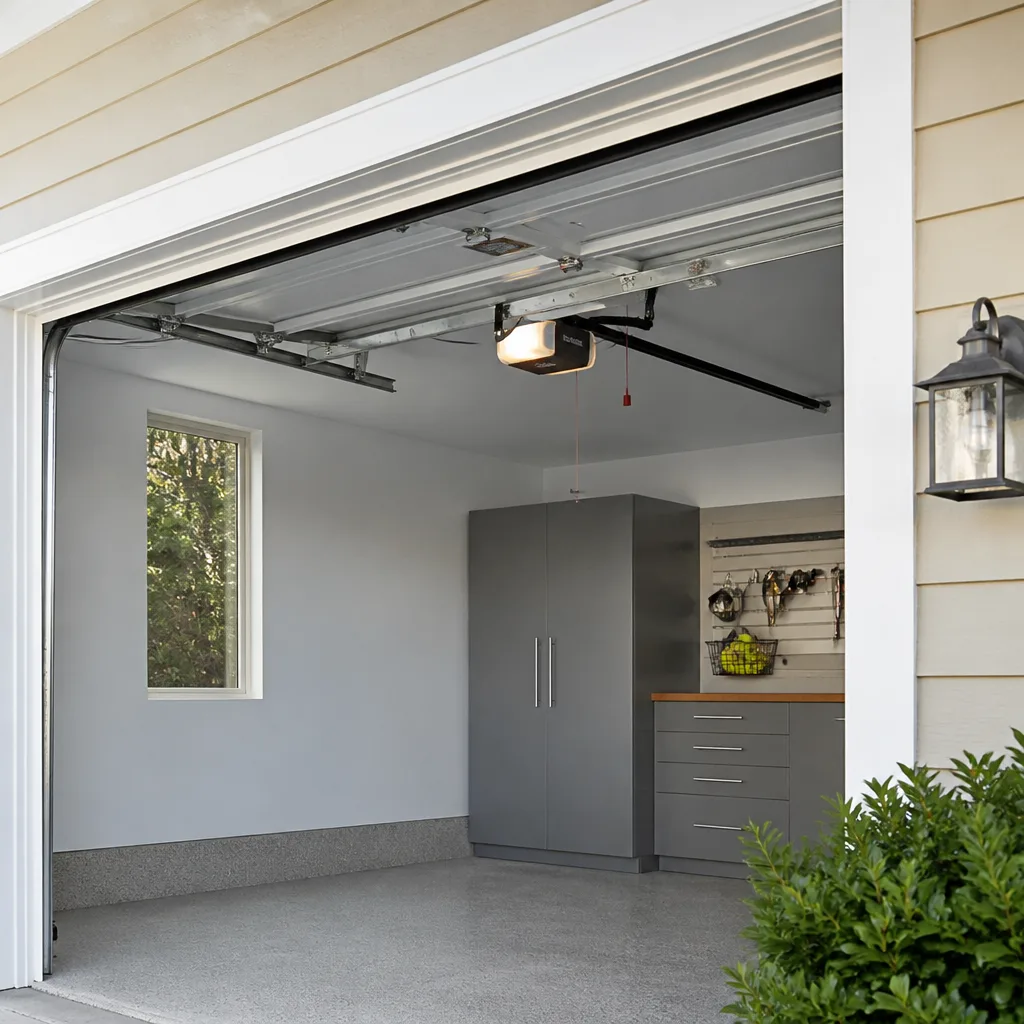 Chamberlain openers
Full 25-point door and opener safety check with every visit - springs, cables, rollers, tracks, and your LiftMaster or Chamberlain opener included
You get a price before we start. It does not change when the pro arrives.
Get your free estimateDIY vs Professional Emergency Garage Door: What’s Safe to Do Yourself
Emergency adrenaline and torsion springs are a bad combination. The spring doesn’t care that you’re in a hurry and your car is trapped. Here’s the counterintuitive part we’ve learned after years of night calls around Sunrise Manor: the very parts that fail and cause an emergency – the torsion spring, the lift cables, the track – are the same parts that hurt homeowners who try to fix them under pressure without the right tools. This guide walks through what you can safely do yourself in the first ten minutes, where you have to stop, and how to set up a call so the person who shows up already knows what’s wrong. No fluff, no scare tactics – just the line between a five-minute fix and a trip to the ER.
Quick Answer
Safe DIY in a garage door emergency means four things only: using the manual release to disengage the opener, clearing an obvious obstruction from the track, resetting a tripped breaker or GFCI, and cleaning a dirty photo-eye. Anything involving a broken spring, a snapped cable, or a door that’s jumped the track is a hard stop – those are two-hundred-pound problems riding on high tension, and they need a trained professional with the right tools.
Styles & brands we work with
- Raised-panel steel
- Carriage house
- Modern flush
- Full-view glass
- LiftMaster openers
- Chamberlain openers
Table of Contents
- What You Can Safely Do in the First Ten Minutes
- The Manual Release: How It Works and When Not to Pull It
- The Three Hard Stops: Spring, Cable, and Off-Track
- A Door Stuck Open: Safe Temporary Workarounds
- Why an Emergency Makes Professional Help More Necessary, Not Less
- What to Have Ready When You Call
- Common Mistakes to Avoid
- When to Call a Professional
What You Can Safely Do in the First Ten Minutes
When the door won’t move and your car is sealed inside, the instinct is to grab a wrench and force it. Don’t. The first ten minutes are about diagnosis and safety, not repair. There’s a short list of genuinely safe things you can do, and knowing them keeps you calm and keeps the situation from getting worse while help is on the way.
Here’s the safe sequence, in order:
- Stop cycling the opener. If the door is straining or grinding, every button press loads the motor and stresses the spring and cable further. Leave it alone.
- Check the power. A tripped breaker or a GFCI outlet that popped is one of the most common “dead door” causes. Reset it once and watch. If it trips again, that’s an electrical problem, not a door problem, and it needs a licensed electrician – not a door tech, not you.
- Look (don’t touch) the springs and cables. A visible gap in the coil of a torsion spring, or a cable hanging slack or frayed, means stop right there. Note what you see and move on.
- Clear obvious obstructions. A toy, a shovel, or a chunk of gravel sitting in the track can stall a door. With the door fully down and the opener off, you can lift a clearly loose object out of the track by hand. Don’t pry anything that’s wedged under tension.
- Clean the photo-eye. Two small lenses near the floor, one on each side. Wipe them with a dry cloth. A cobweb or a dusty lens in a Sunrise Manor windstorm is enough to make a door refuse to close.
That’s the whole safe list. Notice what’s missing: replacing a spring, re-spooling a cable, or shoving a jumped door back onto its track. Those aren’t DIY tasks, and we’ll explain exactly why in a minute.
The Manual Release: How It Works and When Not to Pull It
Every opener has a manual release – usually a red cord hanging from the carriage – that disconnects the door from the motor so you can lift it by hand. It’s the single most useful emergency feature you own, and it’s also the one most likely to cause a problem if you use it at the wrong moment. Understanding how it works is the whole point; we’re not going to walk you through yanking it blind.
The release works by pulling the carriage arm off the drive chain or belt. Once disengaged, the door is free to move by hand – and that’s exactly the risk. A door with a broken spring is extremely heavy, and a door that’s been released on a slope or with a snapped cable can come down hard. Here’s when to leave the cord alone:
- The door is already partly open and hanging. Releasing it now can drop it.
- You can see or feel a broken spring. The door may be far heavier than you expect – a two-hundred-pound panel doesn’t lift easily with one good spring, let alone none.
- A cable is snapped or slack. The door is no longer balanced on both sides and can twist or fall off the track.
If the door is fully closed, the springs look intact, and the opener just won’t run, the release is a reasonable way to get the door up by hand so you can get the car out. Pull it smoothly, lift with your legs, and prop the door open if you can. If it feels wrong – too heavy, uneven, grinding – stop and call. That feeling is information.
The Three Hard Stops: Spring, Cable, and Off-Track
Here’s the part this guide exists for. Three failures account for nearly every serious garage door injury, and all three are the failures most likely to happen in an emergency. When you hit one of these, the DIY instinct to “just fix it fast” is exactly backwards.
1. A Broken Torsion Spring
A torsion spring stores an enormous amount of energy – that’s the whole point, it’s what balances the door. When it snaps, it releases that energy instantly. The coils are under tension even when the door is down, and the winding bars and technique required to replace one safely aren’t something you learn from a video at 11 p.m. with your car trapped. A Sunrise Manor summer can push a tired spring over the edge after a long hot day of cycling; we see it constantly. This is a hard stop. Do not attempt to wind, cut, or remove a torsion spring.
2. A Snapped Lift Cable
Cables are under tension too, and a frayed or snapped cable can whip with real force. If one side fails, the door is no longer balanced, and lifting or lowering it by hand can send a panel crashing down or twist the door out of its track. Do not touch a slack or broken cable, and don’t run the opener hoping it’ll re-seat itself.
3. A Door Off Its Track
A door that’s jumped the track is unpredictable. Pushing it back by hand seems simple until a roller pops and a panel drops. Off-track doors usually mean a bent track, a worn roller, or a bent hinge – any of which needs the door properly supported and realigned. This is a pro job, every time.
All three of these are cases where a trained technician with calibrated tools and both hands free is not a luxury – it’s the safe answer. That’s why the honest advice in an emergency is often “don’t touch it.”
A Door Stuck Open: Safe Temporary Workarounds
A door stuck closed traps your car. A door stuck open is a different problem: your home is exposed to the street, the weather, and anyone walking by. You want it secured fast, but the workaround you choose matters. Some are safe and some create a liability.
Safe, temporary, reversible:
- Disengage the opener and lower the door by hand – only if the springs and cables look intact and the door lowers smoothly and evenly. Prop it with a brace if it won’t stay down.
- Use a heavy ratchet strap or a cut-to-length board wedged firmly across the inside of the opening to hold the door down against the frame. This is a physical block, not a fix, and it comes out the moment help arrives.
- Pull the manual release and leave the door in the down position if it’s already closed, so nobody cycles the opener and drives it into a jam.
Workarounds that create a liability – skip these:
- Propping the door open with a cinder block or a stack of bricks that could shift.
- Wedging something under a panel that’s still under spring tension.
- Taping or bracing the door in a half-open position and walking away. That’s how panels get bent and people get hurt.
A door held down with a strap across the opening is a reasonable overnight measure in Sunrise Manor while you wait for a morning visit. A door half-hanging off a bent track is not.
Why an Emergency Makes Professional Help More Necessary, Not Less
You’d think an emergency is when you should handle it yourself – quickest path, no waiting. In practice it’s the opposite. An emergency is the worst possible time to learn a job, and a garage door emergency stacks the deck against a first-timer.
The person who’s done this work for years has already met your failure a hundred times. They know a snapped cable on a Genie and a snapped cable on a LiftMaster present differently. They carry the calibrated winding bars, the right springs by size, and both hands free because they’re not also holding a flashlight and a phone. A spring replacement that goes wrong once can be the last repair you ever attempt. Respecting that isn’t fear – it’s counting the odds.
There’s a second reason: a professional can often see the secondary problem. A broken spring that also bent a track, a cable that failed because a roller seized, an opener that was straining for months before the spring finally let go. Fixing only the obvious part means a second breakdown three weeks later. And a pro working from an upfront quote doesn’t surprise you at the door with a bigger number than the phone call promised – which is the whole reason we quote on the call and hold it.
What to Have Ready When You Call
A good call gets you a stocked technician and one trip. A vague call gets you a second visit and a second bill. Take sixty seconds before you dial and gather the details that let a trained tech arrive prepared.
- The brand and model of your door and opener. LiftMaster, Chamberlain, Genie, Raynor – it’s usually on a sticker inside the opener housing or on the door’s end stile. Brand matters because parts and procedures differ.
- What the door is doing. Won’t move at all? Moves a few inches and stops? Grinding, straining, or clicking? Goes up but won’t come down? Each symptom points somewhere different.
- What you can see. A gap in the spring coil, a slack or frayed cable, a bent track, a door sitting crooked, a popped breaker. A photo of the spring and the track saves a lot of guessing.
- Whether the door is currently open or closed and whether your car is trapped – this tells us how urgent it is and what to bring.
- Your address and gate or access details if you’re in a gated or rural spot around Sunrise Manor. A tech who can’t get in wastes the trip.
Have that ready and the person on the phone can quote the job and hold the number when the truck rolls up. That’s the point of a real call with a real person, not a form.
Common Mistakes to Avoid
- Grabbing the biggest wrench and “helping” a broken spring. Torsion springs are under lethal tension – the wrong tool and a rushed hand is how people get hurt. Leave spring and cable work to a pro, full stop.
- Repeatedly hitting the opener to “see if it works now.” Every failed cycle strains the motor and loads the broken part further. If it didn’t work the first time, stop pressing.
- Shoving an off-track door back by hand. A roller can pop and a panel can drop. Off-track means call, not shove.
- Propping a half-open door with bricks and forgetting it. In a Sunrise Manor wind gust, a door on a loose prop can come down on a car, a pet, or a person.
- Calling a national dispatch line and getting a quote that changes at the door. Insist on a live person who quotes the number and holds it.
- Ignoring a tripped breaker that keeps tripping. That’s an electrical problem a door tech won’t touch, and continuing to reset it can damage the opener or worse.
- Forgetting to disengage the opener before lifting the door by hand. Lifting while engaged fights the motor and can damage the carriage.
When to Call a Professional
Call a professional the moment you see a broken spring, a snapped or slack cable, a door off its track, or a door that moves unevenly or crashes down. Call if the opener strains, grinds, or trips a breaker repeatedly, and call if you simply aren’t sure – a free second opinion on a written estimate is cheaper than a mistake. When your car is trapped and the door won’t budge, the safest move is to stop and call. Otto’s Garage Door Sunrise Manor offers free estimates in Sunrise Manor – call us at (888) 274-8795 for a free estimate. A live person answers, and the price quoted on the call holds at the door. You can also see our Otto’s Garage Door Sunrise Manor home page for what we cover.
See the difference
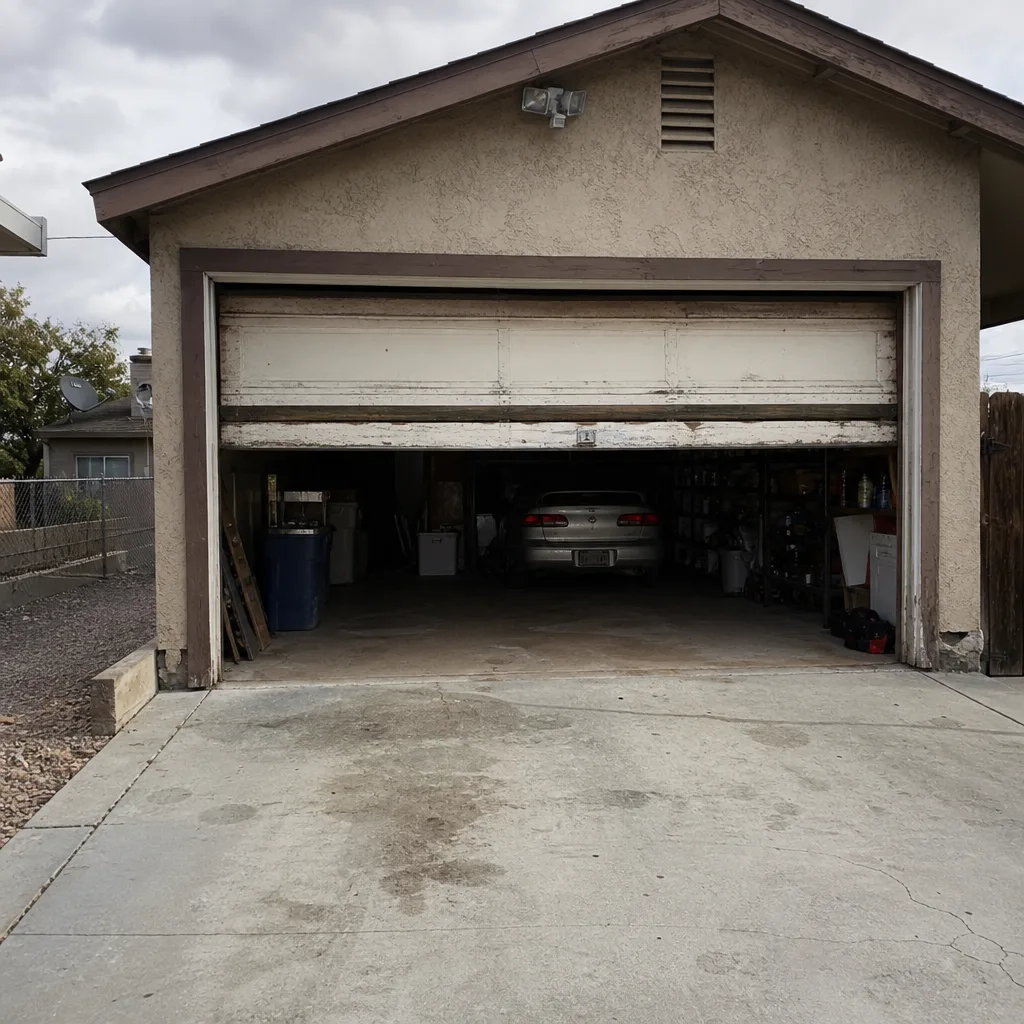 Before
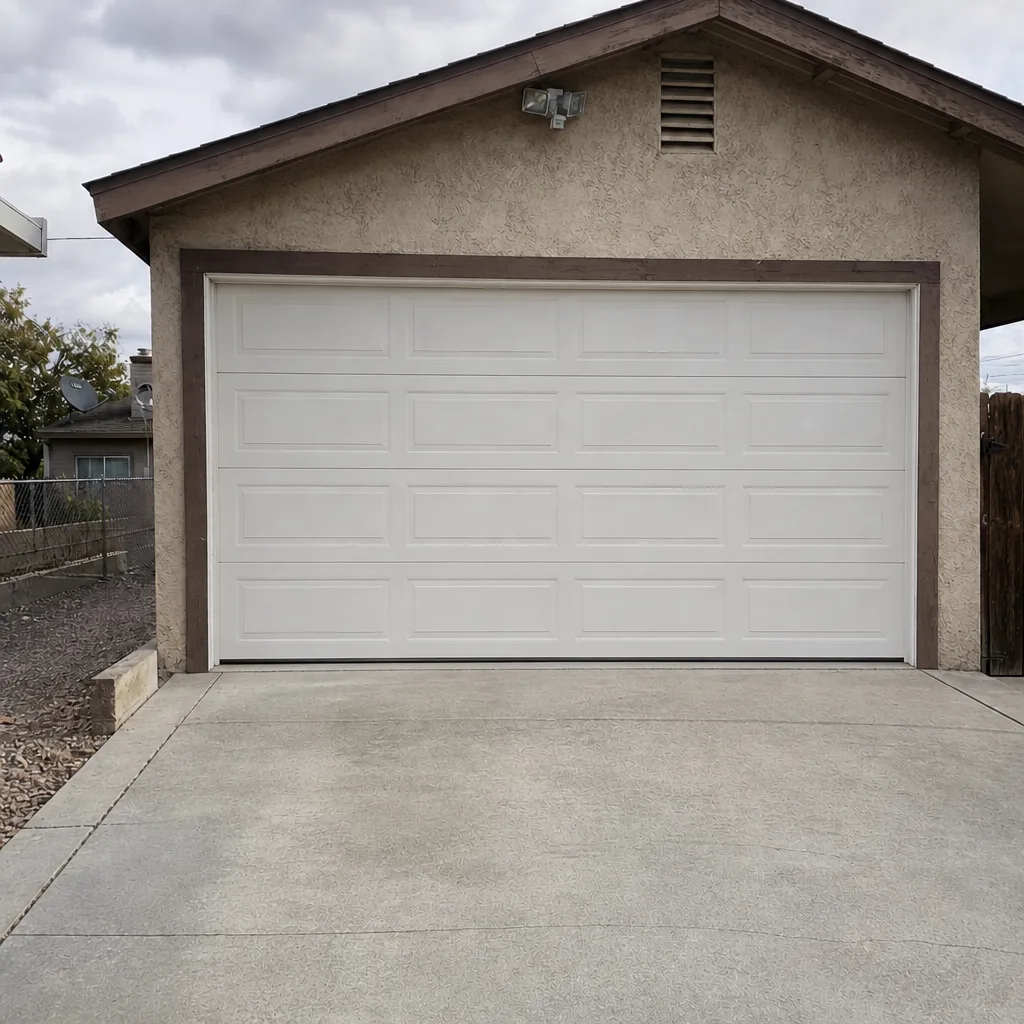 After
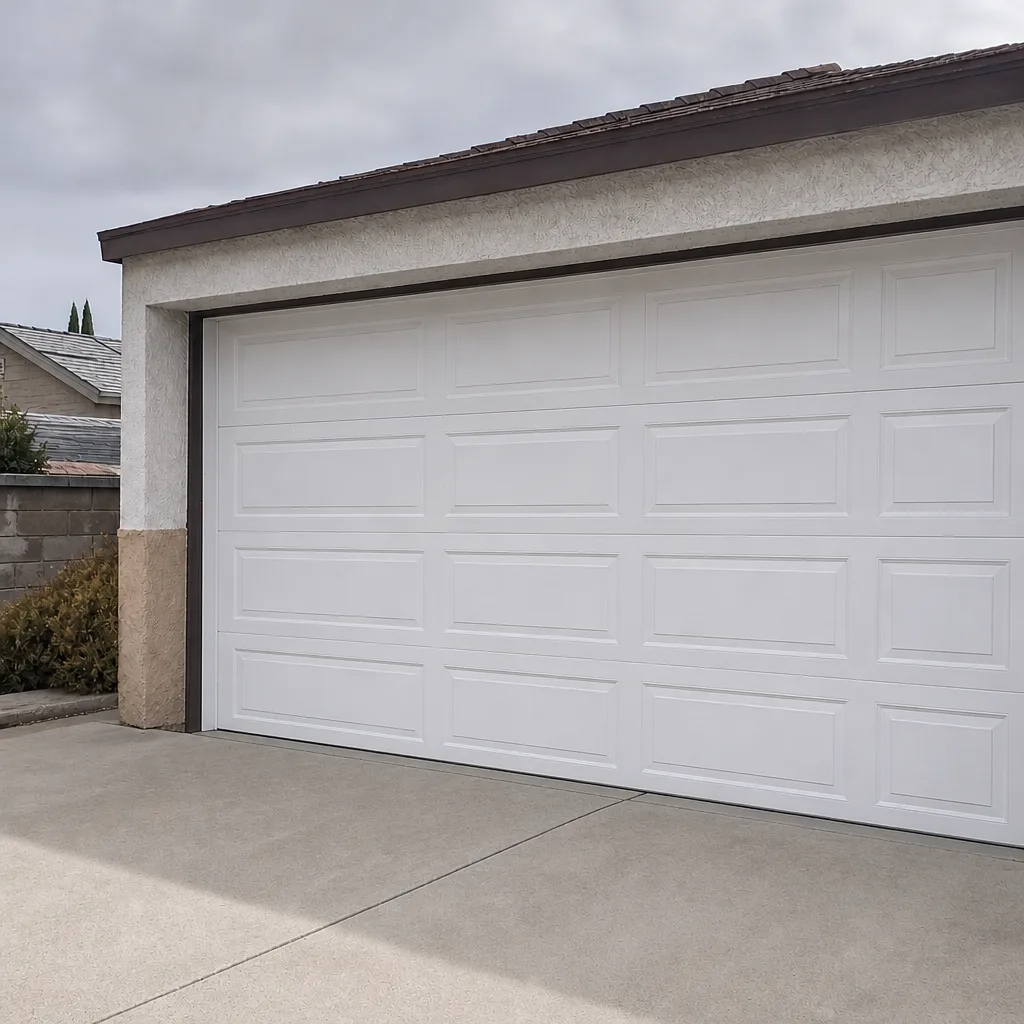
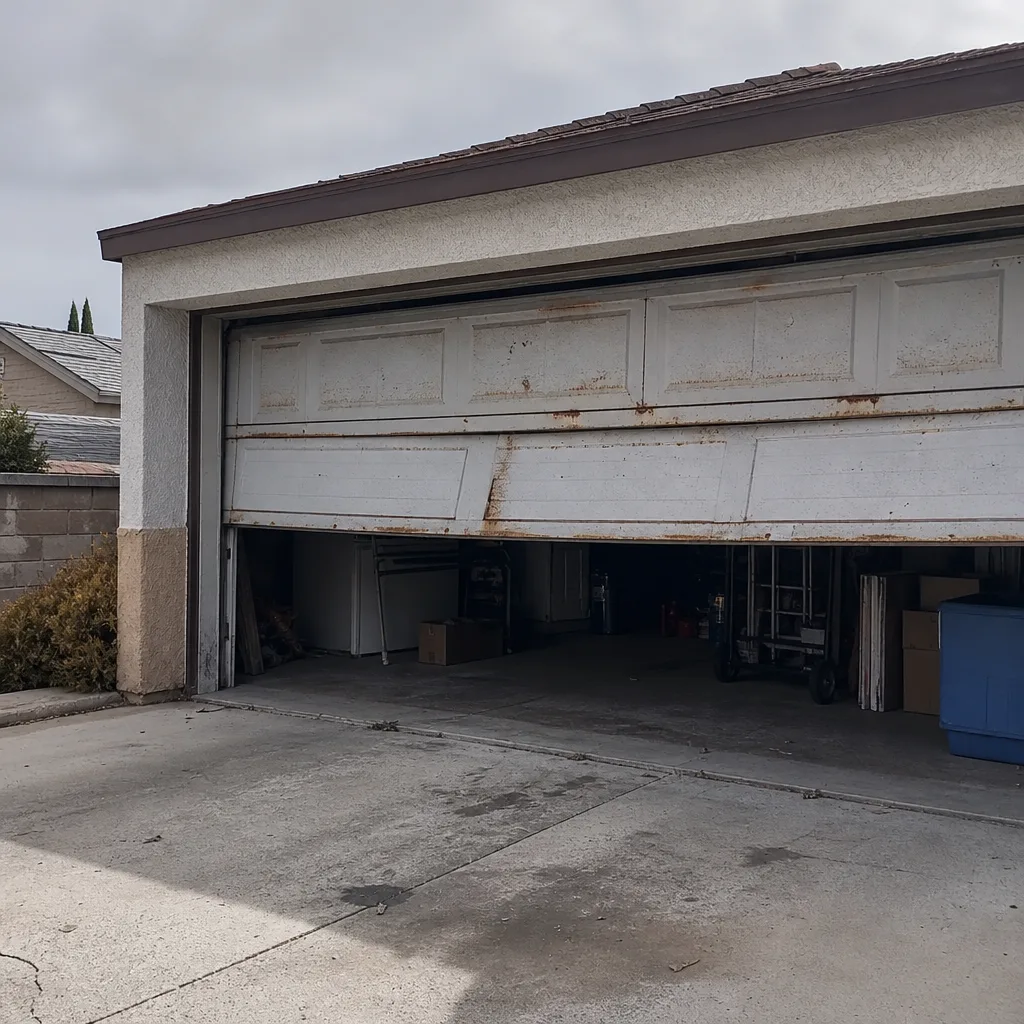 Before
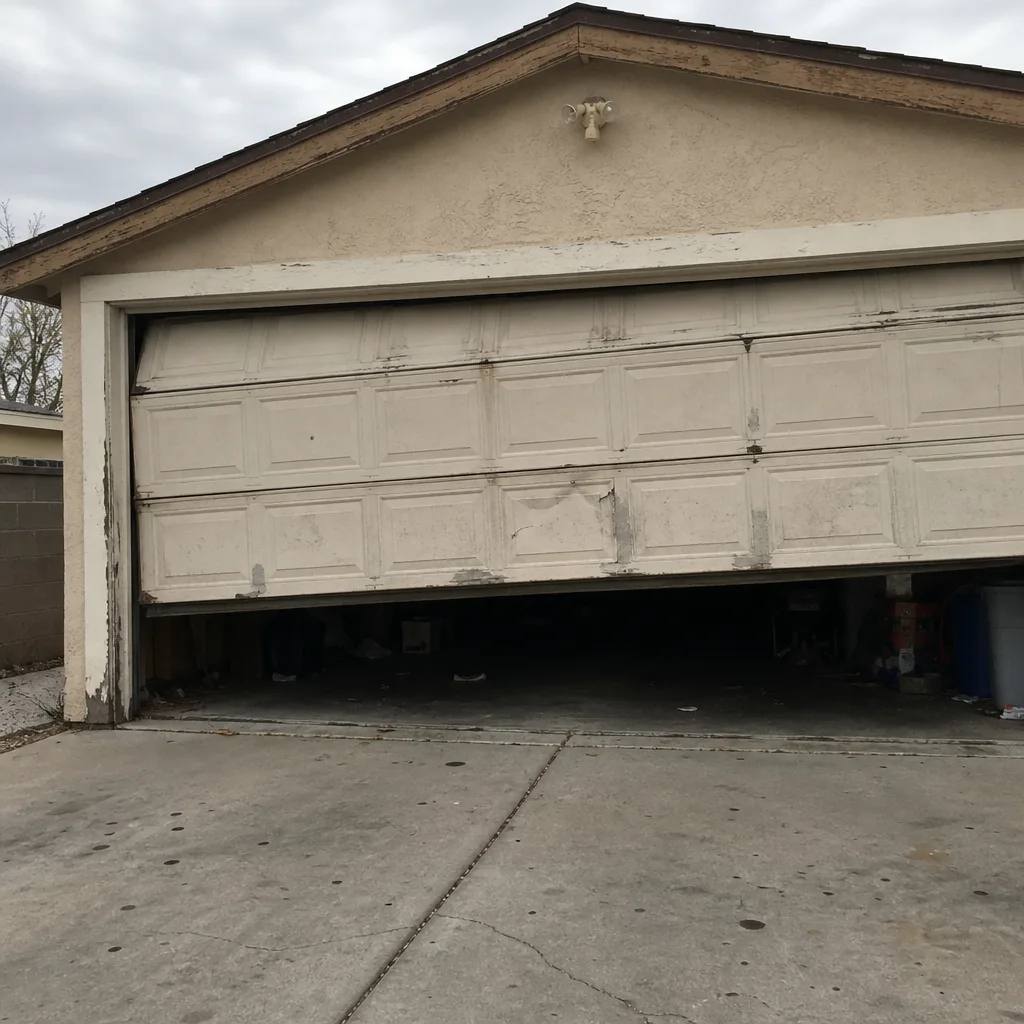
 After
 Before
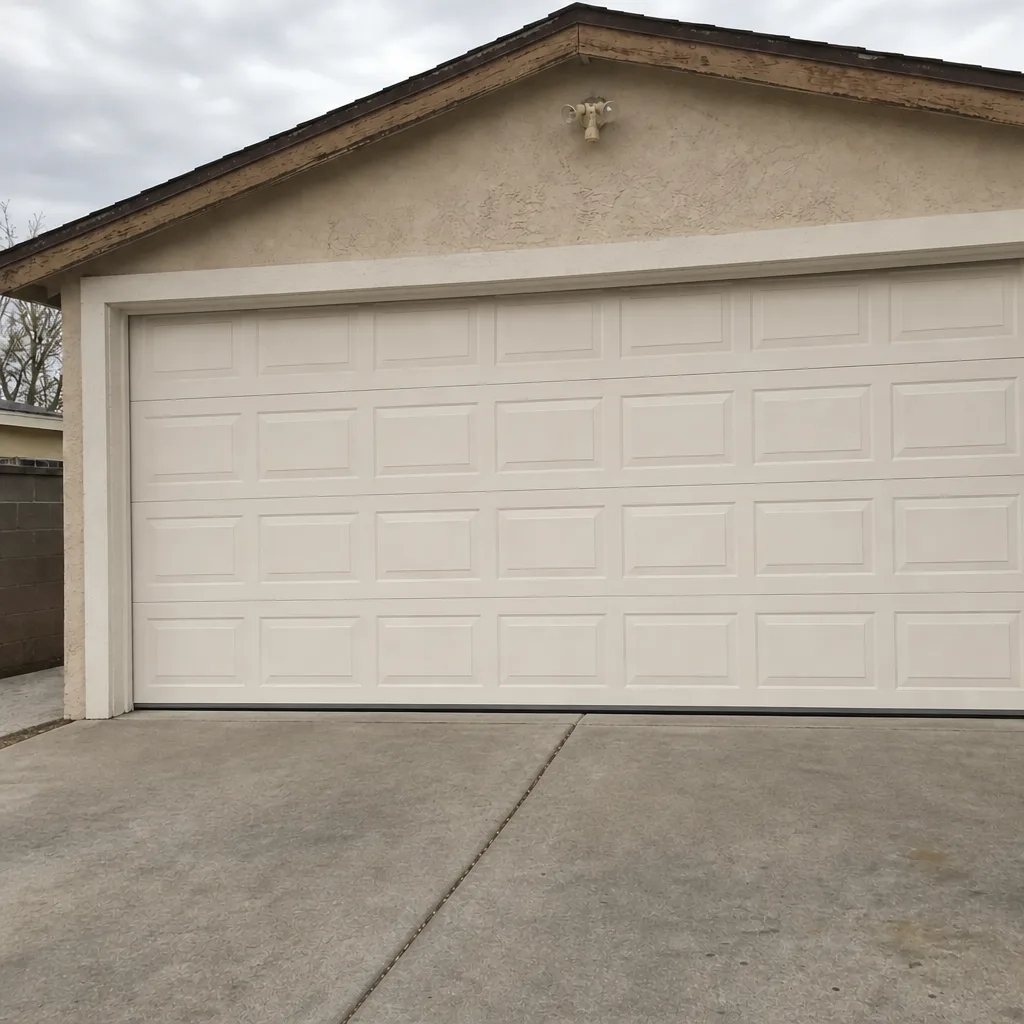 After
Safety First: The One Rule That Overrides Everything
Every safe DIY task in this guide is a five-minute job that doesn’t touch tension. Everything that touches a spring, a cable, or a door hanging off its track is a stop sign. A door is 200 pounds riding on two springs – respect it. If your hand is on a winding bar and your other hand is holding a flashlight while your car is trapped and it’s 100 degrees, you’ve already lost the argument for doing it yourself. The right call in Sunrise Manor is to make the safe checks, secure the opening as best you can, and pick up the phone. That’s not giving up; it’s the experienced move.
If the door is beyond a repair, our guide to Garage Door Installation in Sunrise Manor covers when replacement makes more sense than chasing repeated fixes, and if the opener is the culprit, our page on Garage Door Opener Repair & Installation in Sunrise Manor walks through the electronics side. For everyday fixes that aren’t an emergency, Garage Door Repair in Sunrise Manor has the full picture.
Frequently Asked Questions
You can safely do four things in a garage door emergency: use the manual release to disengage the opener, clear an obvious obstruction from the track, reset a tripped breaker or GFCI once, and clean a blocked photo-eye. Anything involving a spring, a cable, or an off-track door is a hard stop and needs a trained professional.
Yes – torsion springs are under extreme tension even when the door is closed, and getting it wrong can cause serious injury. Replacing one requires the right winding bars and technique, and it’s not a job to learn under pressure. Call a pro; a Sunrise Manor spring replacement is a same-day repair for someone who does it every week.
First, stop cycling the opener. Then check the breaker or GFCI, clean the photo-eye, and look (don’t touch) at the springs and cables. If those look intact and the door is fully closed, the manual release may let you lift it by hand – but if it feels heavy or uneven, stop and call us at (888) 274-8795. A live person answers around the clock.
Because an emergency is the worst time to learn a dangerous job. A trained technician arrives with the right tools, both hands free, and years of pattern recognition – they’ll spot the secondary problem a first-timer misses, which means one repair instead of two. That’s why we quote on the call and hold the number when we arrive.
Lower it by hand if the springs and cables are intact and it moves smoothly, or strap a board or ratchet strap firmly across the inside of the opening as a temporary physical block. Never prop it half-open with loose bricks that could shift. Then call for a morning visit.
Yes. We quote the job before work begins and the price doesn’t change between the phone and the driveway. You can also ask for a free second opinion on any written estimate. Call (888) 274-8795 – estimates are free, and we’ll tell you straight whether it’s a fix or a trap.
The Bottom Line
The safe-DIY list in a garage door emergency is short and boring on purpose: disengage the opener, clear an obvious obstruction, reset the breaker, clean the photo-eye. Everything past that – springs, cables, off-track doors – is where the DIY instinct to “just fix it fast” gets people hurt, because those are exactly the parts that fail under tension. Have your door’s brand, symptoms, and a photo ready when you call so one trip does the job. Do the safe checks, secure the opening, and when it’s bigger than that, call Otto’s Garage Door Sunrise Manor at (888) 274-8795.
Written by the team at Otto’s Garage Door Sunrise Manor.