
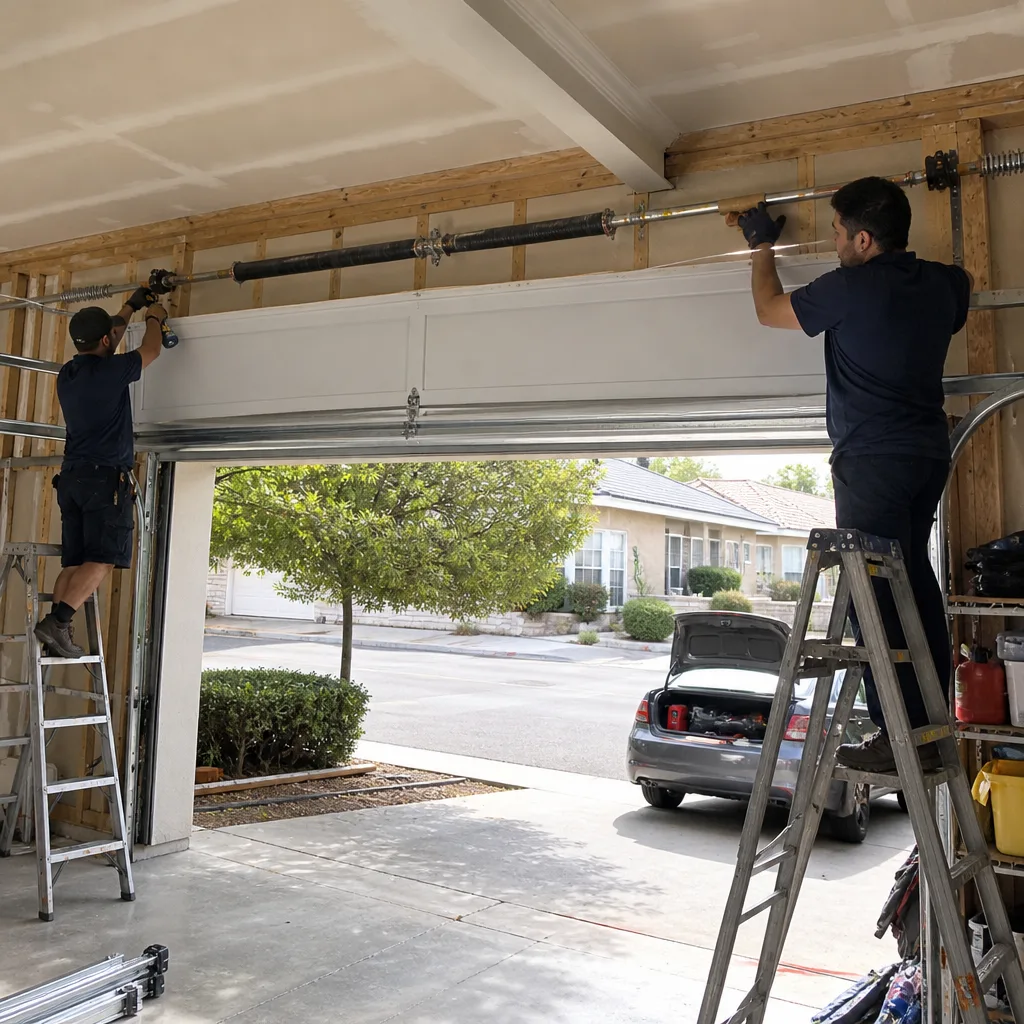
Last updated November 17, 2026
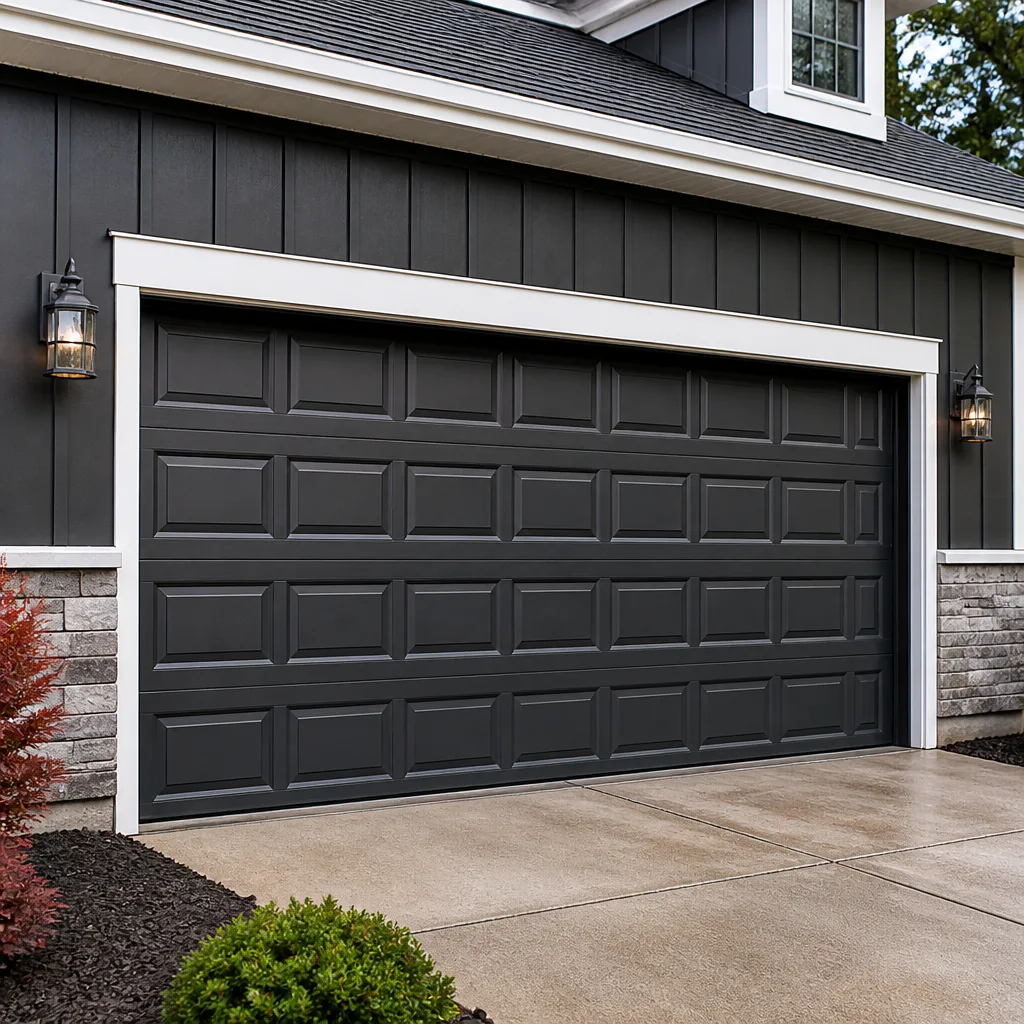 Raised-panel steel
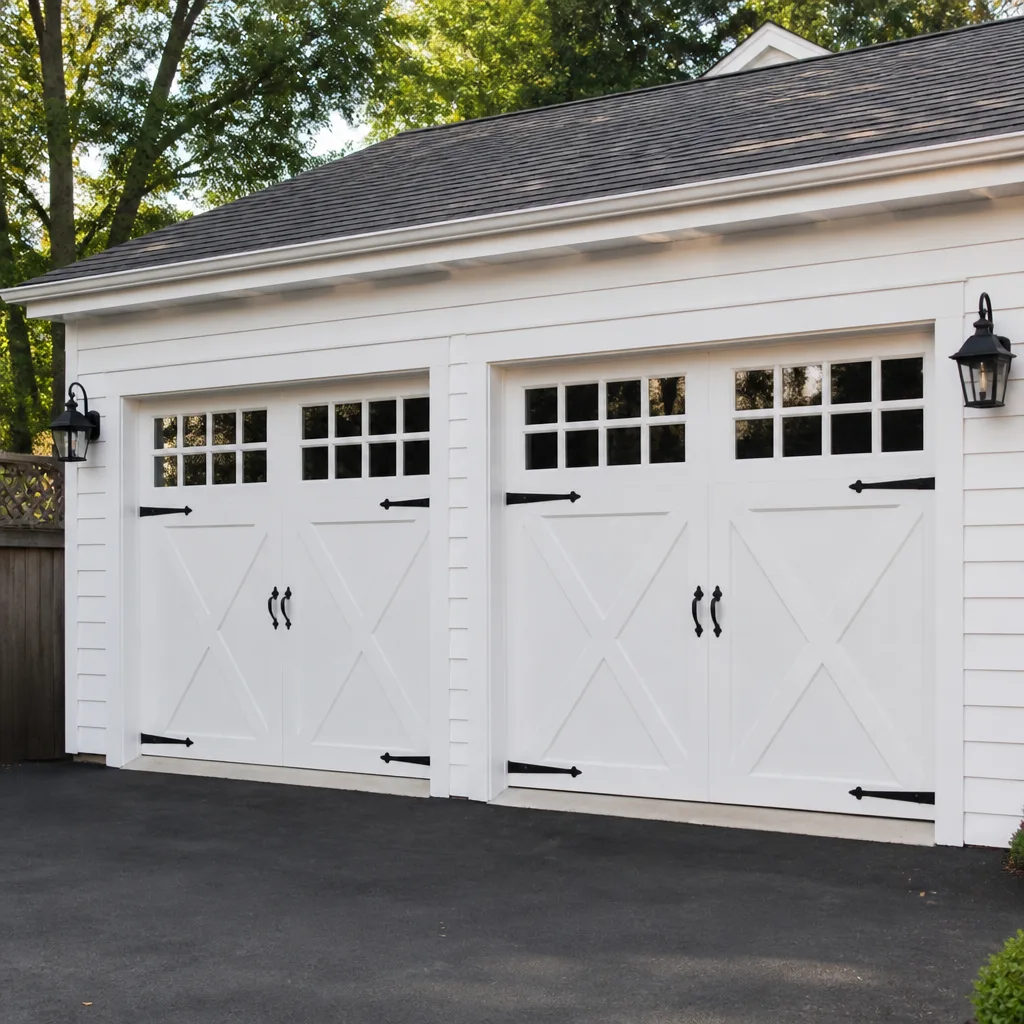 Carriage house
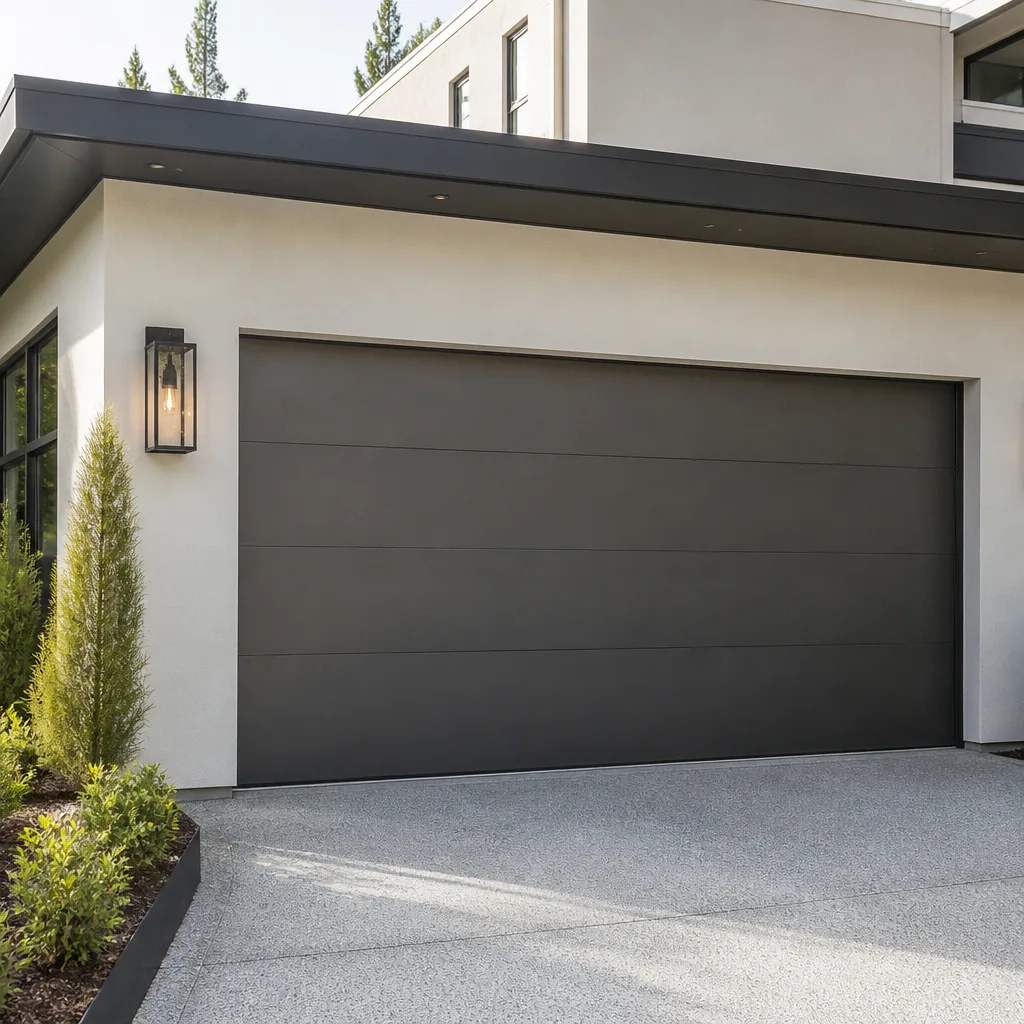 Modern flush
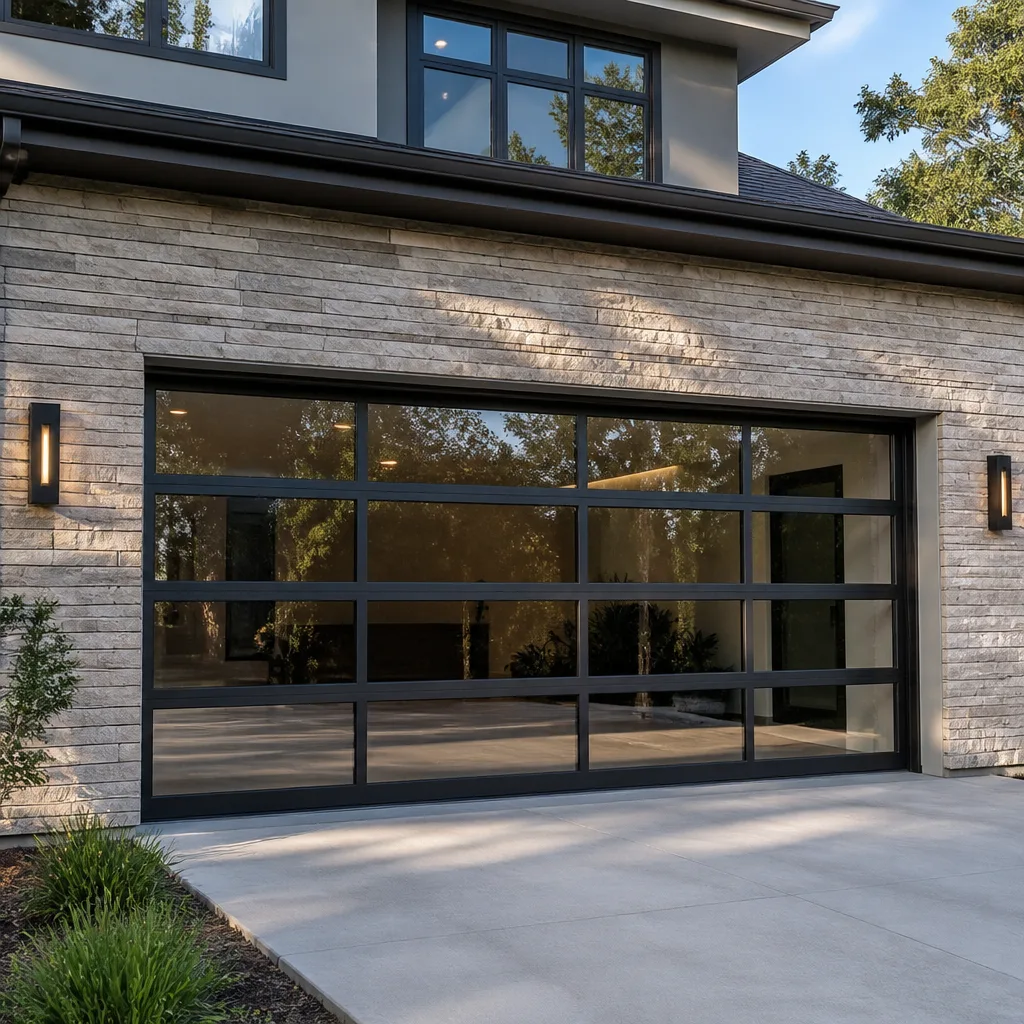 Full-view glass
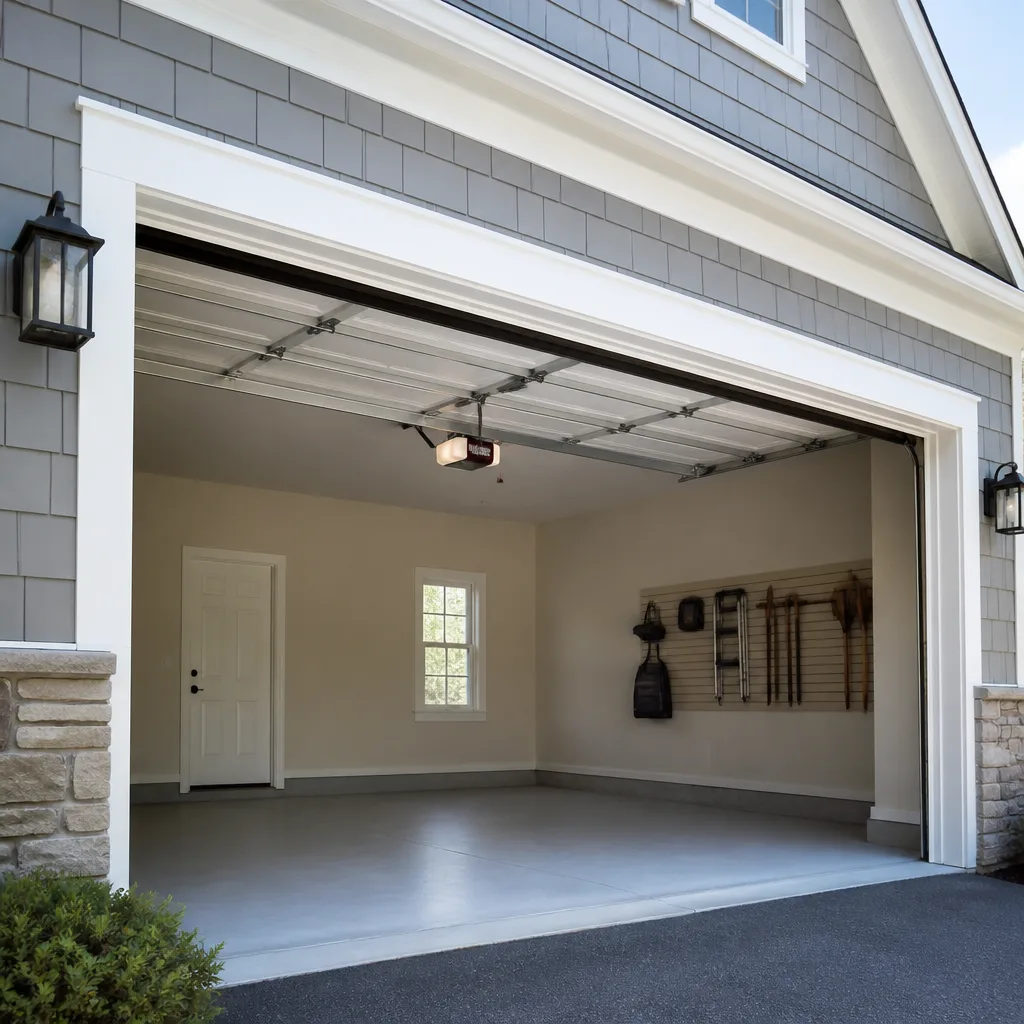 LiftMaster openers
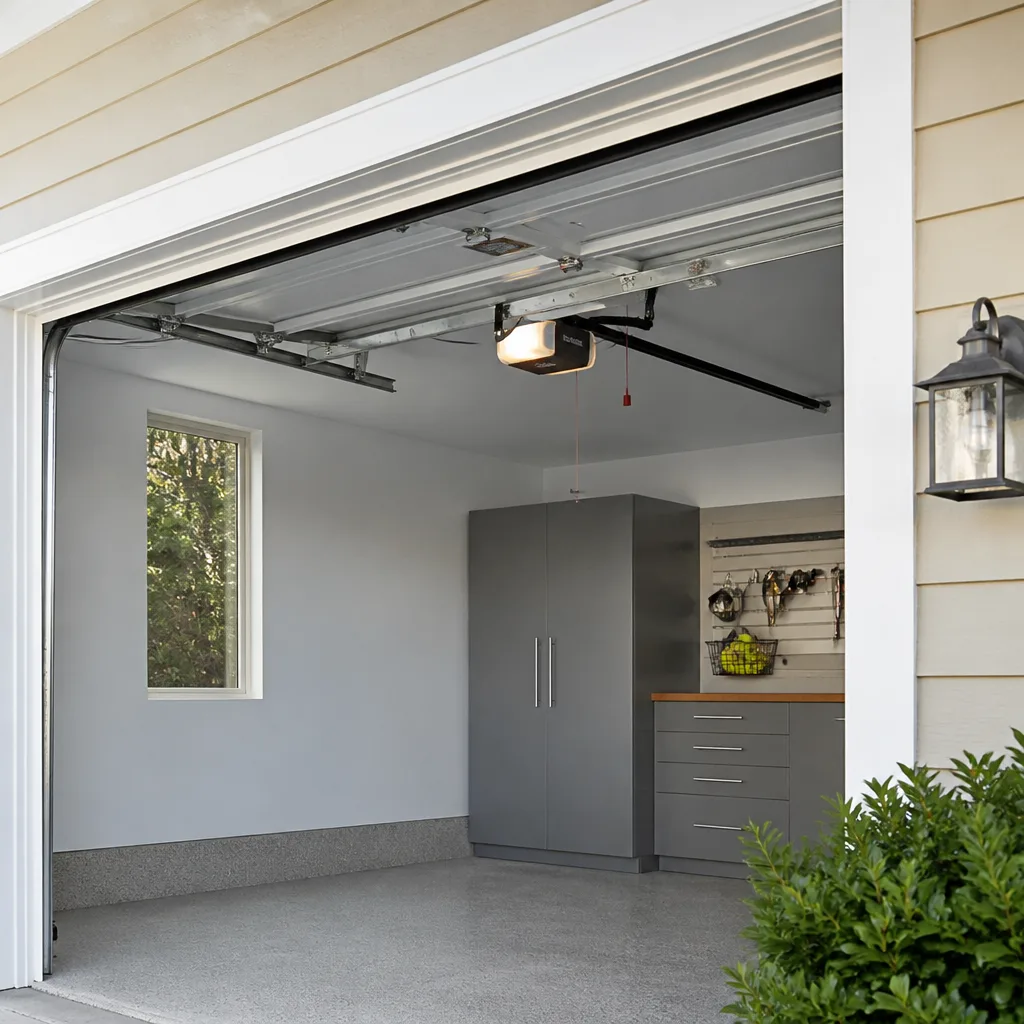 Chamberlain openers
Full 25-point door and opener safety check with every visit - springs, cables, rollers, tracks, and your LiftMaster or Chamberlain opener included
You get a price before we start. It does not change when the pro arrives.
Get your free estimateEmergency Garage Door Maintenance Schedule: What to Do and When
Otto tracked the emergency calls that came through the shop for two years. More than 60% of them involved a part that had been showing a warning sign at least 90 days before it failed. A frayed cable that hummed. A spring that had gone soft. A photo-eye knocked half an inch out of line. The emergency was optional, almost every time. This guide lays out a twice-a-year maintenance schedule built for Sunrise Manor homeowners specifically: what to check in April, what to check in October, the 90-second balance test that tells you immediately if your springs are losing tension, and how to tell the difference between a chore you can handle and a job that will put you in the hospital. If you read nothing else, read the Quick Answer and the balance test.
Styles & brands we work with
- Raised-panel steel
- Carriage house
- Modern flush
- Full-view glass
- LiftMaster openers
- Chamberlain openers
Quick Answer
The best emergency garage door maintenance schedule is two inspections a year: a spring tension and balance check in October before the cold nights set in, and a cable, roller, and photo-eye check in April after a winter of cycling. Add a lubricant pass in each of those months. That’s four touchpoints, roughly 40 minutes total per year, and it eliminates the majority of emergency calls we get in Sunrise Manor.
Table of Contents
- Why October Is the Most Important Month on the Calendar
- The April Inspection: Cables, Rollers, and What Winter Left Behind
- The 90-Second Balance Test Every Homeowner Should Run Twice a Year
- Lubrication in a Desert Climate: What to Hit and What to Skip
- Why Photo-Eye Alignment Drifts in Sunrise Manor
- Building a Maintenance Log That Actually Works
- Common Mistakes to Avoid
- When to Call a Professional
- Frequently Asked Questions
- The Bottom Line
Why October Is the Most Important Month on the Calendar
Cold nights are what finish off a tired torsion spring. Metal contracts when the temperature drops, and a spring that’s already lost a chunk of its tension has less room to give. In Sunrise Manor we don’t get the deep freezes they do up in Reno, but we do get overnight swings that drop into the 40s in late October and early November, and that’s enough to snap a spring that was on its last legs. October is when you want to catch it, because catching it on your schedule is a whole lot cheaper than catching it at 9 p.m. with your truck sealed inside the garage.
Here’s what the October inspection covers. None of this is a DIY repair guide; it’s a “look and listen” checklist. If any item below comes back wrong, that’s a call, not a wrench.
- Run the door up and down twice and listen. A healthy door sounds like a low, even hum. A groan, a pop, or a rattle means something is wearing.
- Look at the torsion spring above the door. A visible gap in the coil means the spring has broken. Do not run the door. Call us. A door is 200 pounds riding on two springs. Respect it.
- Check the spring for a rust line or paint flaking along its length. That’s where the coil is fatigued.
- Run the balance test (section below). This is the single best spring check you’ve got.
- Test the auto-reverse. Lay a 2×4 flat on the ground under the door and close it. It should reverse on contact. If it doesn’t, that’s a safety failure, not a maintenance item.
- Look at the bottom seal. Cracks and gaps let in desert dust, which finds its way into the tracks and the rollers.
If you’d rather have someone else do the look-and-listen, our Garage Door Repair in Sunrise Manor team runs a full inspection and quotes any repair on the spot. The phone line is answered by a live person around the clock, which matters more in October than any other month.
The April Inspection: Cables, Rollers, and What Winter Left Behind
The door cycles more in winter than most people realize. Every time it goes up and down, the rollers turn, the hinges work, the cables flex, and the opener motor strains against whatever friction has built up. By April, the wear is real. The April inspection is about catching it before summer, when you’ll be using the door more and paying attention to it less.
Here’s the cable and roller pass:
- Cables: Look at both cables running down the sides. A healthy cable is a smooth, even braid. A frayed cable shows broken strands, like a rope that’s been chewed. A frayed cable is a fail; it can snap without warning and it’s genuinely dangerous to touch. Do not try to fix it yourself.
- Rollers: Rollers should turn freely by hand. Steel rollers with flat spots or rust drag in the track. Nylon rollers crack and shed. If half your rollers wobble, replace them as a set, not one at a time.
- Hinges: Look for rust and for gaps where the hinge pins sit. A hinge that’s about to fail will show a bend.
- Tracks: Run your hand down the inside of each track. It should feel smooth. Dents from a car bumper or a stray ladder bend the profile and the door will drag.
- Bearings at the ends of the torsion bar: Listen for a grinding sound when the door runs. That’s a bearing, not the opener.
Brand matters at this stage. We work on LiftMaster and Chamberlain openers every day, and both are built well but neither one likes fighting a door that’s dragging on rusted rollers. If the opener is straining, the problem is almost never the opener; it’s the door the opener is trying to move. That’s an April check, not a December emergency. If you’re hearing strain, our Garage Door Opener Repair & Installation in Sunrise Manor page walks through the diagnosis.
The 90-Second Balance Test Every Homeowner Should Run Twice a Year
This is the single most useful thing you can do to prevent a spring emergency, and it takes a minute and a half. It tells you what your springs have left in them, the way you’d check the tread on a tire.
- Disconnect the opener. Most openers have a red pull cord hanging from the rail. Pull it. The door now moves by hand only.
- Raise the door to about waist height by hand. It should feel heavy-ish but steady. If it’s straining, feels jerky, or takes real effort, that’s a sign.
- Let go. A healthy door stays where you put it. If it sags to the floor, your springs have lost tension. If it floats up on its own, the springs are over-tensioned.
- Lower it back down slowly and reconnect the opener.
Do that in October and again in April. Don’t perform this test if you can already see a broken spring, and don’t attempt to adjust the springs yourself if the door sags. Adjusting tension on a torsion spring requires specific winding bars and a technique that genuinely hurts people who guess. We’ll say that plainly: this is not a homeowner adjustment. The test is safe; the correction is not.
A sagging door that tells you in October it’s on its way out is a scheduled repair. The same door that fails at 9 p.m. in January is an emergency, and it costs more, and it comes with a truck you didn’t budget for. Our technicians have up to 22 years of experience reading exactly this signal, and the fix is a spring replacement with a written price quoted before we start.
Lubrication in a Desert Climate: What to Hit and What to Skip
Most lubrication advice you’ll find online was written for a homeowner in Ohio. Sunrise Manor doesn’t have the humidity problem those guides assume, but it has the opposite problem: dust. Desert dust is a fine, sharp, abrasive powder that finds its way into every hinge and roller, and it turns a dry lubricant into a grinding paste. The right product out here matters.
What we use and recommend in Sunrise Manor: a white lithium grease in an aerosol can for metal rollers and hinge pin joints, and a silicone-based spray for the torsion springs and the weather seal. Skip WD-40 as a long-term door lubricant; it’s a solvent, not a lubricant, and it attracts dust that’ll do more damage than no lube at all. Skip graphite powder; it’s fine in a gun, not on a garage door in a dry county. Skip the chain on your opener and use a chain-specific lube, or a light silicone; grease on the chain just collects dust.
The lube pass is four short steps:
- Spray each hinge pin. One short blast per hinge, not a soak.
- Spray the bearing plate at each end of the torsion bar.
- Spray the torsion spring coils lightly. Don’t overdo it.
- Wipe the tracks with a dry rag. Don’t put lube in the tracks; the rollers should roll, not slide.
Once in October, once in April, is enough. Any more than that and you’re attracting dust for no gain.
Why Photo-Eye Alignment Drifts in Sunrise Manor
The photo-eyes are the two little lenses on brackets near the floor at the bottom of each track. If they get knocked half an inch out of alignment, the door runs down partway and snaps back up. That’s the single most common “emergency” call we get, and it’s almost always a 60-second fix. The catch is that Sunrise Manor’s specific climate knocks those eyes out of line more often than most places, and it’s worth knowing why.
Two reasons. The first is wind. Spring and early summer in Sunrise Manor come with gusts that carry grit and loose yard debris, and a piece of tumbleweed or a blown trash can lid clips the bracket. The second is ground movement. Our soil shifts with the temperature and moisture swings, and a bracket anchored into a slab that’s moving a sixteenth of an inch will drift over a year. Homeowners who’ve had their bracket knocked out once tend to have it knocked out again, because the root cause is often the slab, not the wind.
The pre-emergency reset:
- With the door open and the opener unplugged, look at the LED on each photo-eye. Most LiftMaster and Chamberlain units have a small light that stays solid green when aligned. If one flickers or is dark, alignment is out.
- Loosen the wing nut on the bracket and nudge the eye left or right until the light goes solid.
- Tighten the wing nut and test the door.
If the eye resets but drifts out again within a month, that’s a bracket or slab issue and worth having looked at properly. Our Otto’s Garage Door Sunrise Manor home team handles it, and a free second opinion on any written estimate is a standing offer if another shop already quoted you a repair.
Building a Maintenance Log That Actually Works
Here’s the thing about a generic maintenance schedule: it doesn’t know your door. Your door has a model, an install date, a spring cycle count, and a history that’s specific to your house. The technician who worked your door two years ago is more valuable than any schedule you print off the internet, and the way you keep that value in play is a log.
A useful log takes five minutes to set up and about thirty seconds to update each time someone touches the door. Keep it on the inside of the garage door itself, or on a clipboard on the wall, and write down:
- The door make, model, and rough install year (Clopay and Amarr are the two most common in Sunrise Manor homes, but check the sticker).
- The spring type and cycle rating. A standard spring is rated for around 10,000 cycles; a high-cycle spring for around 25,000.
- The date and outcome of every balance test.
- The date of every lube pass.
- Every repair, with the part replaced and the date.
- The name and number of the shop that did the last repair. Ours is on the invoice, and every job gets the 90-Day Done Right Promise written right on it.
When you call us, we read the log with you. A technician who can see “balance test passed in October, failed in April, cable replaced the previous spring” tells you something useful before anyone even opens the toolbox. That’s the log paying off. If you’re considering a new door, our Garage Door Installation in Sunrise Manor team will start your log with the new install details, which makes the next decade of maintenance a lot easier to reason about.
Common Mistakes to Avoid
- Treating the door as maintenance-free. Garage doors are the largest moving object in most homes and the only one most people never look at. That’s how a $180 repair becomes a $600 emergency at 9 p.m.
- Using WD-40 as a permanent lubricant. It evaporates and attracts dust. In Sunrise Manor’s dry climate the dust problem makes it worse than doing nothing.
- Adjusting the springs yourself. We say this gently but firmly: torsion springs are under enough load to kill someone who gets it wrong. There’s no version of the spring adjustment that’s a weekend DIY.
- Bumping the photo-eye back into place with your foot. It resets the eye but doesn’t fix the bracket, so it drifts again within a few weeks. This is the single most common reason people call us twice for the same problem.
- Replacing one roller at a time. Rollers age as a set. If half are bad, replace them all. Otherwise you’re back under the door in a month.
- Skipping the balance test because “the door still opens.” A door can open fine for months while the springs are quietly losing tension. The balance test is the only way to see the failure coming.
- Not keeping a log. Without it, every technician starts from zero. With it, the next repair is a 10-minute conversation instead of a 60-minute diagnostic.
When to Call a Professional
Not every problem needs a truck. A photo-eye nudged out of line, a leaf in the track, a squeaky hinge: those are yours. But a few scenarios are genuinely a call for a trained technician, and we’d rather tell you that plainly than have you get hurt trying to save a service call. A broken spring (visible gap in the coil). A frayed cable (broken strands visible). A door that sags when you let go at waist height. A door that runs down partway and reverses, when the photo-eyes are aligned. Any grinding or popping sound from the torsion bar. And any opener that strains or reverses for no apparent reason; that’s often a door problem, not an opener problem.
For any of those, our crew is insured and bonded, background-checked, and trained across all the major brands. Otto’s Garage Door Sunrise Manor offers free estimates in Sunrise Manor; call (888) 274-8795, and a live person will answer, often Otto himself, who quotes on the call and holds the number at the door. If you already have a written estimate from another shop, the Free Second Opinion offer is standing, no charge, no pressure.
Frequently Asked Questions
Once a year, in October, is the sweet spot for most Sunrise Manor homes, and it’s worth doing a second walk-through in April if you have a door over 10 years old or a house that’s seen a lot of dust and wind. A professional inspection catches the balance-test failures and cable fraying that a homeowner can’t see from the ground.
A tune-up covers the balance test, a full spring and cable inspection, lubrication of hinges, bearings, and springs, photo-eye alignment, auto-reverse safety testing, and a written report of anything that needs replacing. It’s a look-and-list, not a hit list of things to sell you. If we quote a repair, the price is agreed before any work starts, and it doesn’t change at the door.
Most emergency spring replacements in Sunrise Manor land in the $200 to $350 range depending on the spring type and cycle rating, and cable replacements typically run $150 to $250. The reason the number is higher than a scheduled repair is that the door has usually failed in a way that also bent a hinge or a roller. A scheduled repair in October is the cheaper version of the same job. Call (888) 274-8795 for an exact quote; estimates are free.
Yes. Our line is answered by a live person around the clock, and most Sunrise Manor emergencies get same-day service. If your spring snapped and your truck is inside, call us and we’ll quote the repair on the call so you know the number before the truck leaves.
No. We quote the job on the phone, in writing, and we hold that number at the door. That’s the reason we’re still here: no surprises. If we discover something during the repair that genuinely changes the scope, we stop and quote the change before we touch it. Nothing gets done that you haven’t agreed to.
Yes. The crew is insured and bonded, background-checked, and trained across the major brands (LiftMaster, Chamberlain, Genie, Clopay, Amarr, Wayne Dalton, Craftsman, Raynor). Our technicians have up to 22 years of experience, and the license number is published so any homeowner can verify it before we arrive.
The Bottom Line
Most garage door emergencies aren’t really emergencies. They’re the predictable end of a part that showed its warning signs 90 days early and got ignored. The schedule is short: a spring and balance check in October, a cable and roller check in April, a lube pass at both, and a photo-eye reset whenever the door starts reversing. Put a log next to the door and write in it. Do that for two years and the calls you’ll make are scheduled ones, at prices you knew in advance, at hours you chose. When a repair does come up, or you want a professional pair of eyes on your door, our Sunrise Manor team is a phone call away at (888) 274-8795, and estimates are free.
Written by the team at Otto’s Garage Door Sunrise Manor.
See the difference
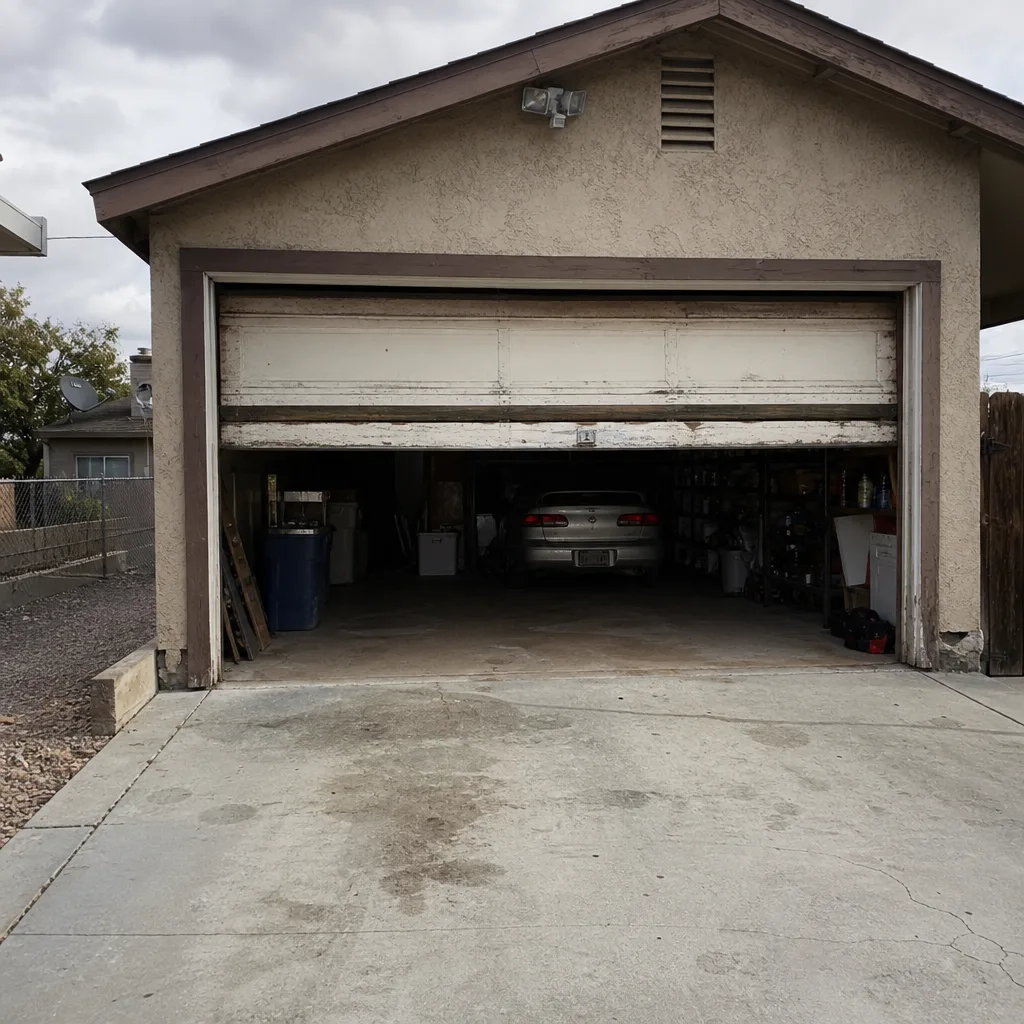 Before
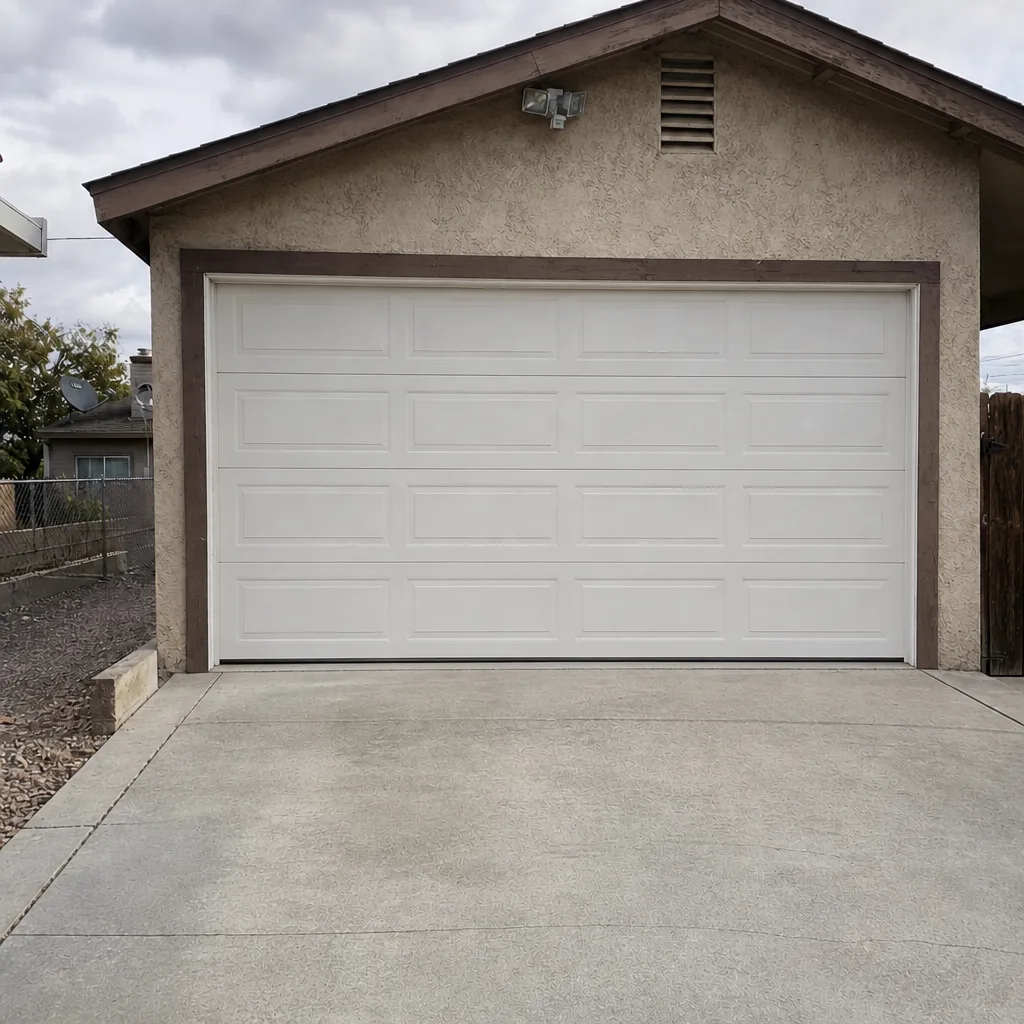 After
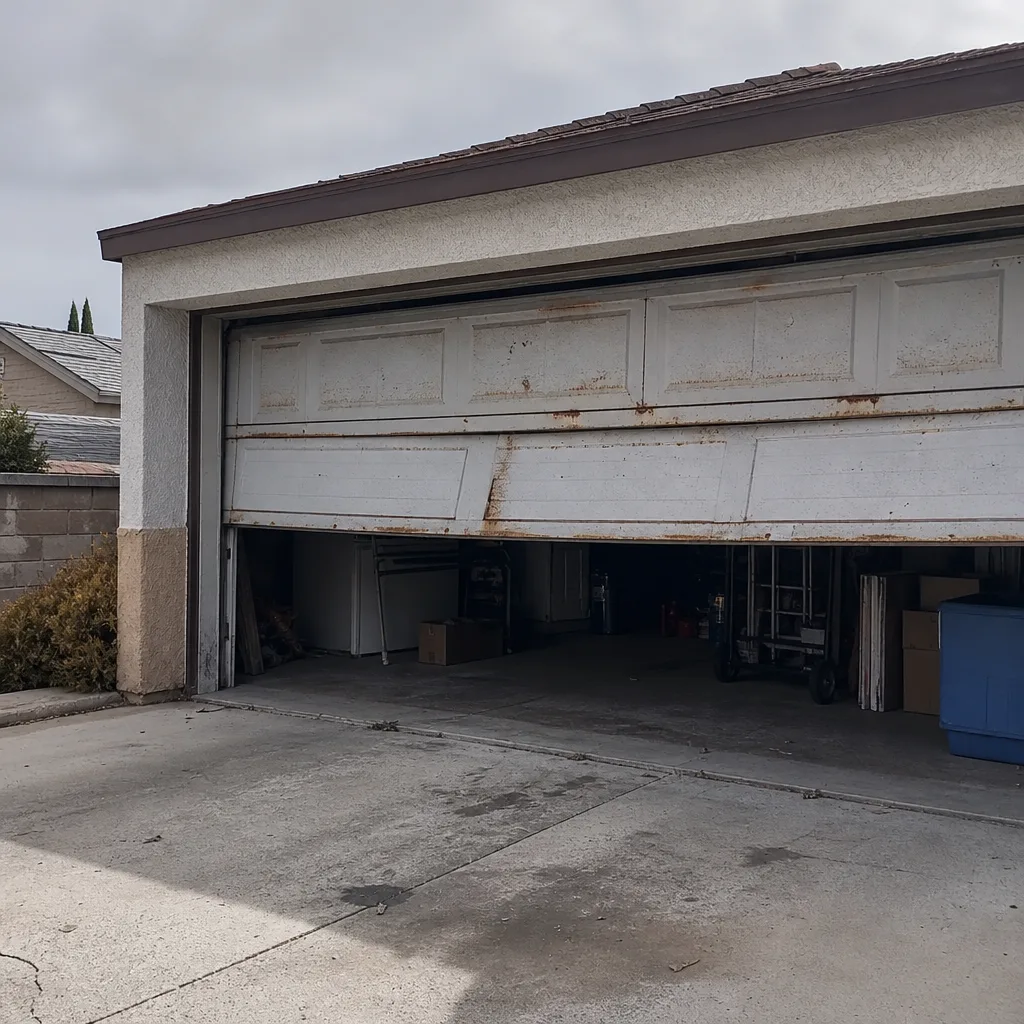 Before
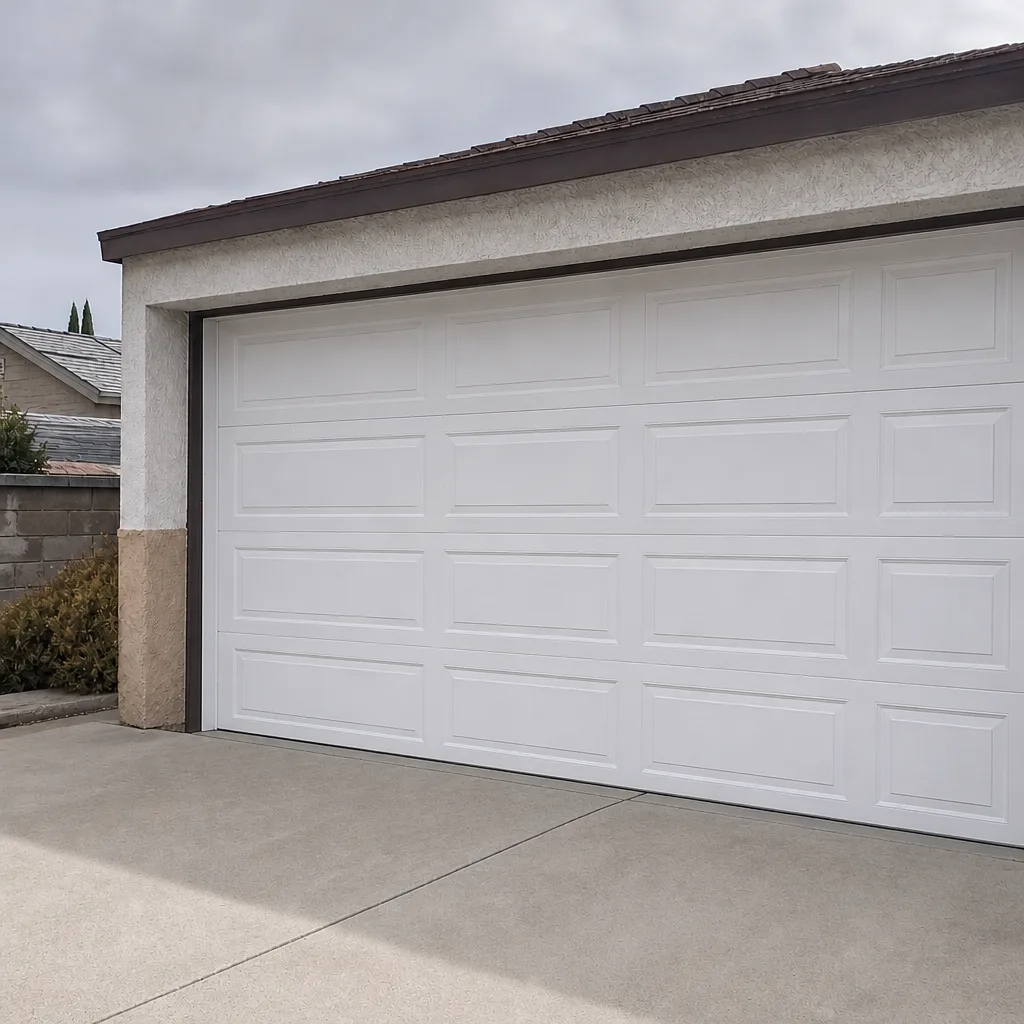 After
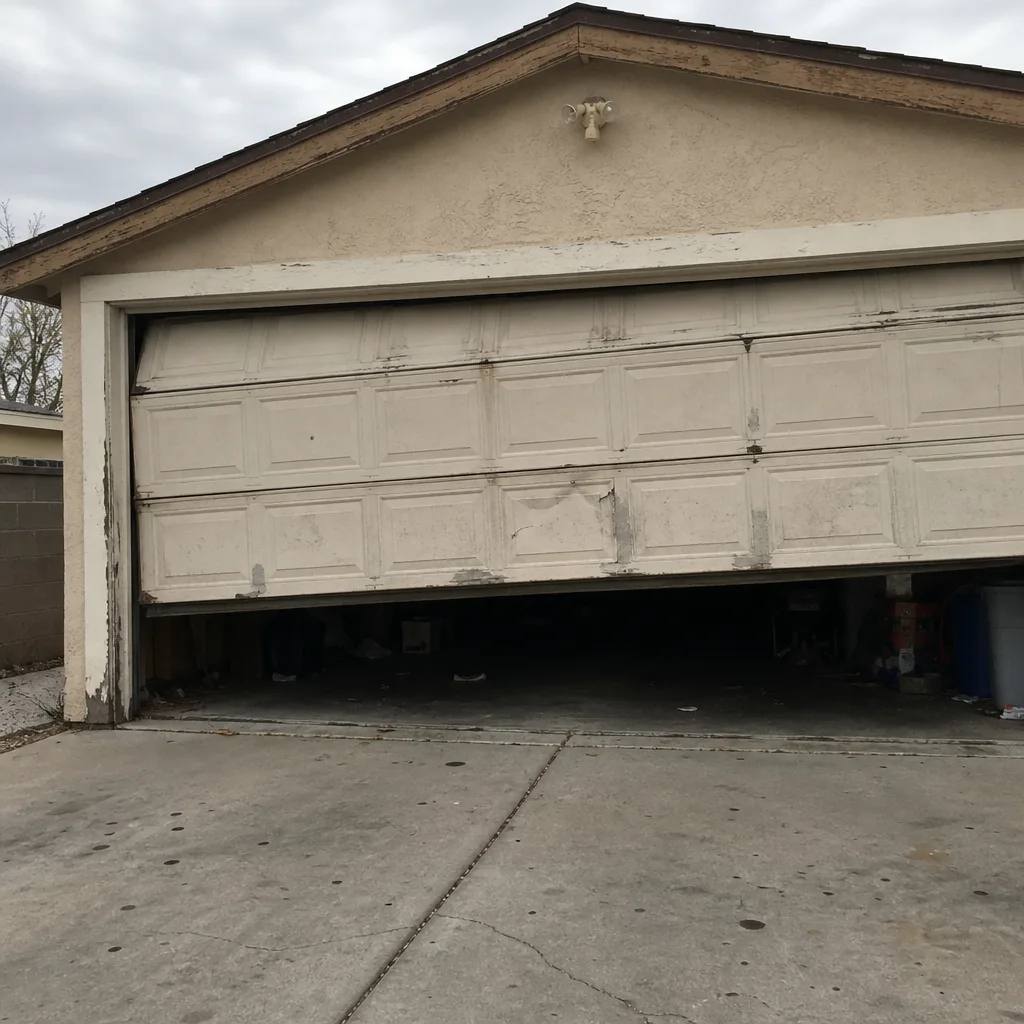 Before
 After