
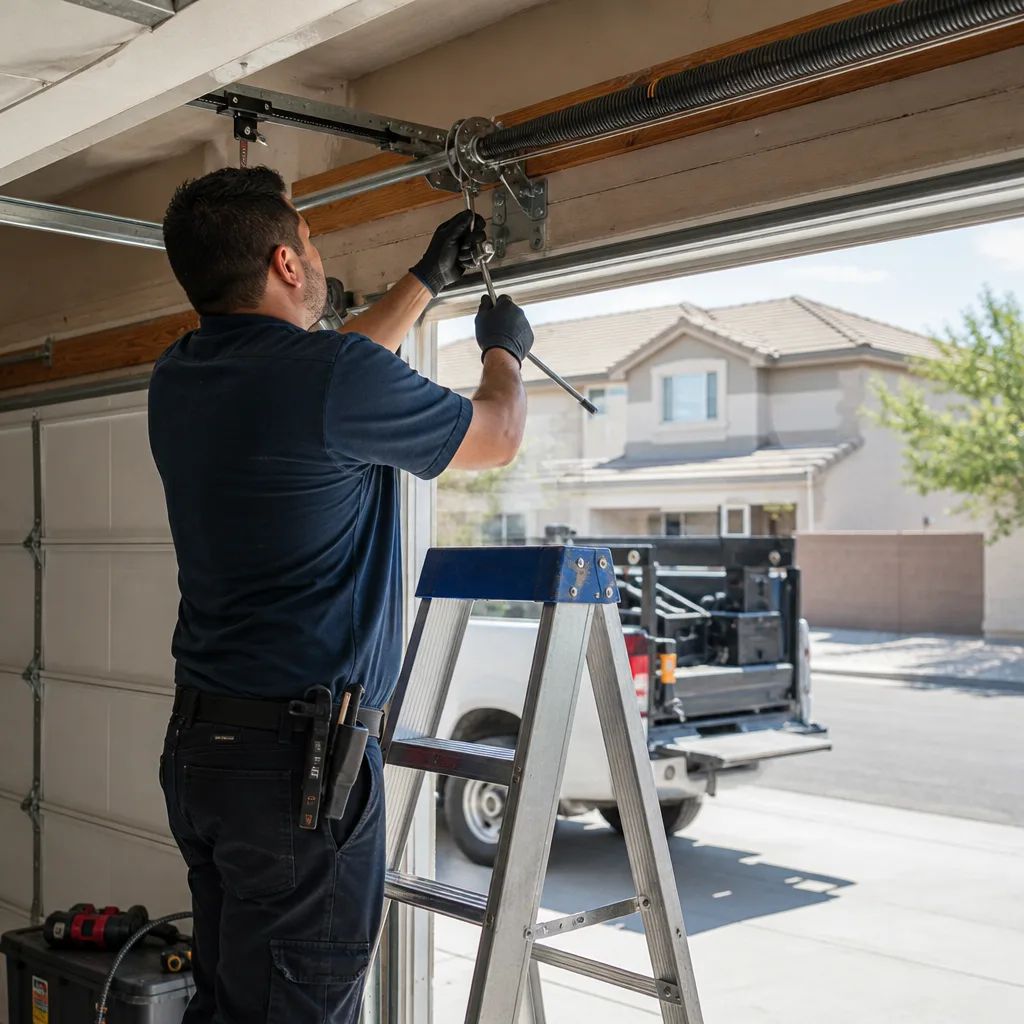
Last updated November 17, 2026
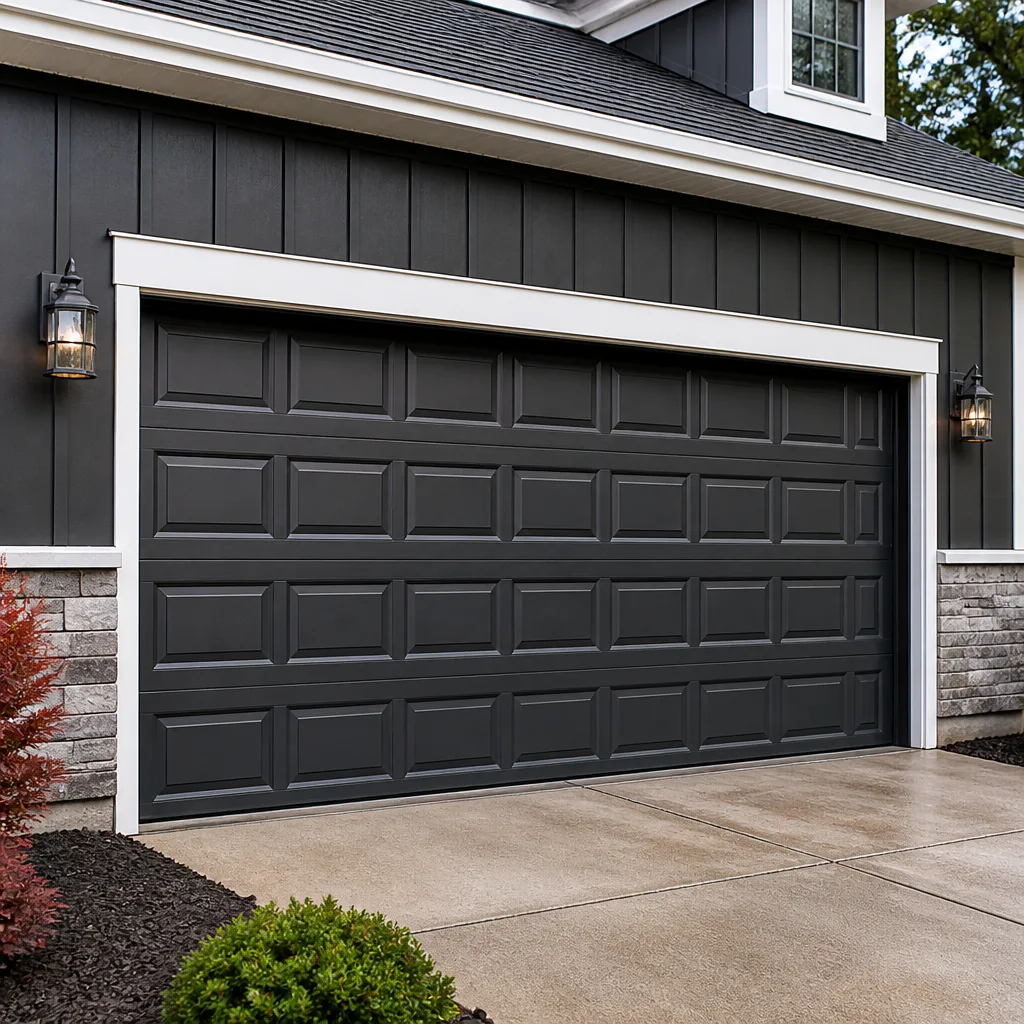 Raised-panel steel
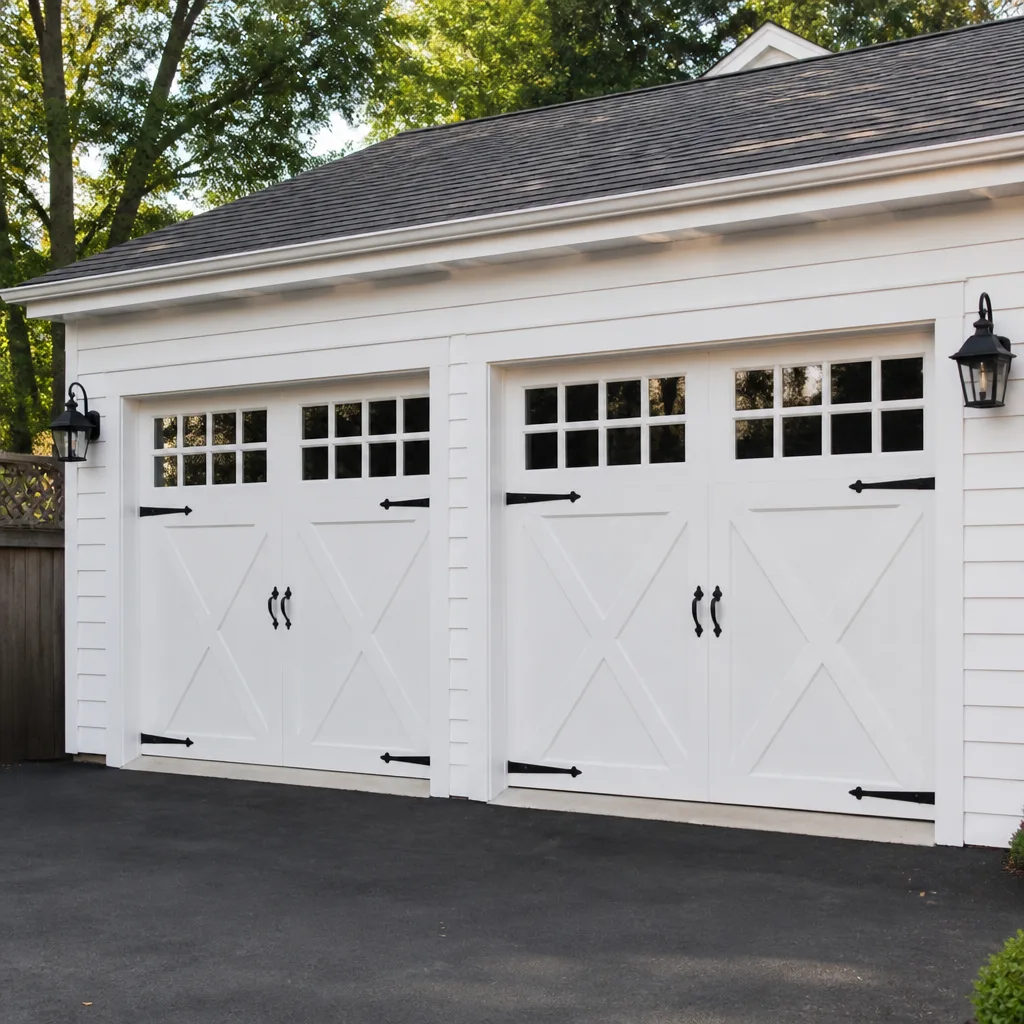 Carriage house
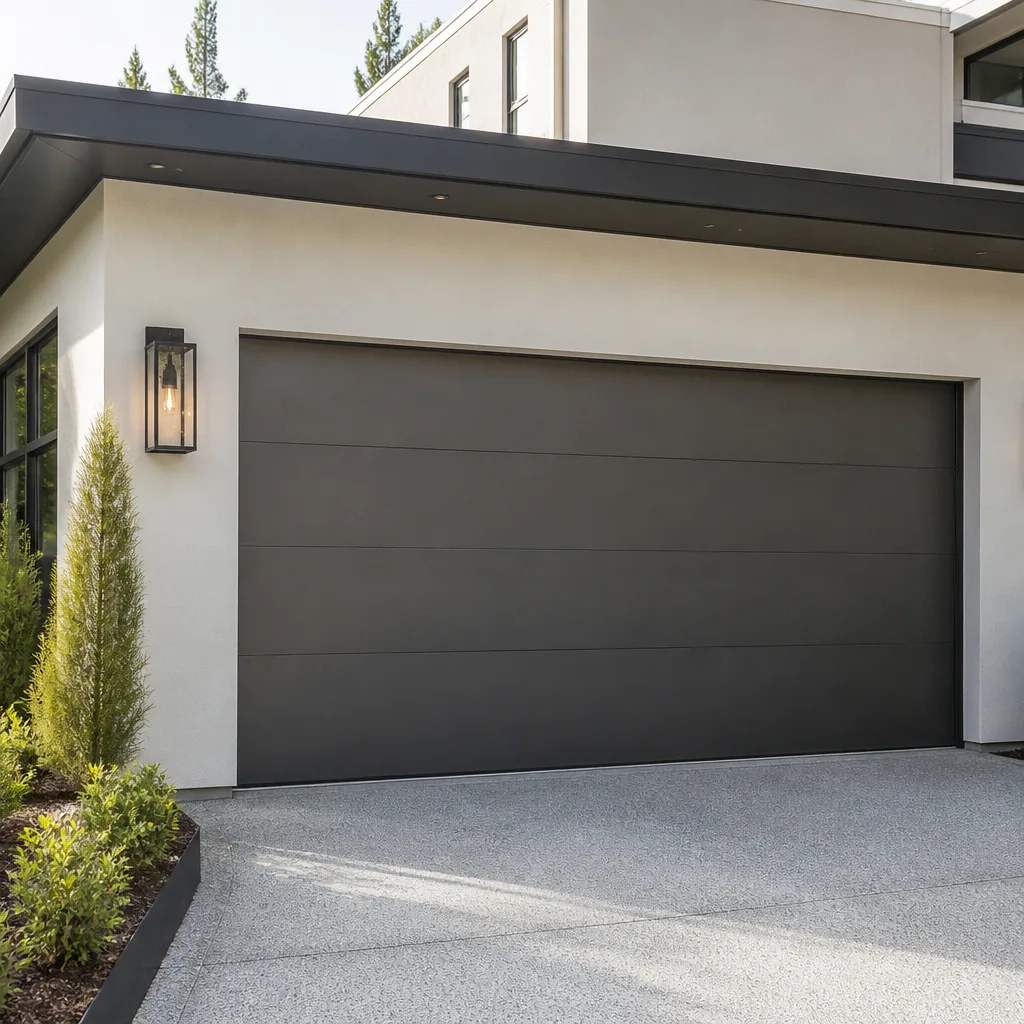 Modern flush
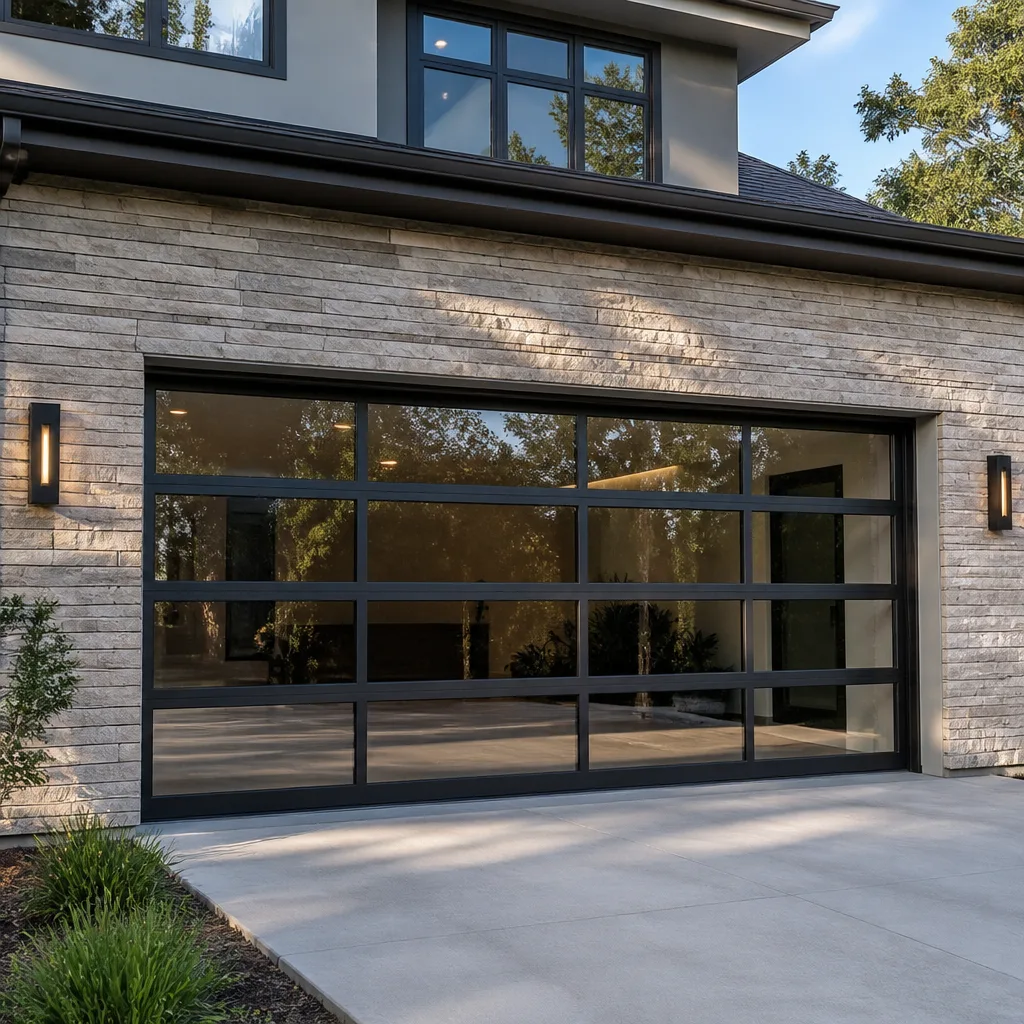 Full-view glass
 LiftMaster openers
 Chamberlain openers
Full 25-point door and opener safety check with every visit - springs, cables, rollers, tracks, and your LiftMaster or Chamberlain opener included
You get a price before we start. It does not change when the pro arrives.
Get your free estimateGarage Door Opener Repair & Installation Maintenance Schedule: What to Do and When
We’ve watched openers run twenty years with barely a look and watched others quit at year three. The difference comes down to two things: lubrication on the right parts, and nothing on the wrong parts. Most people get it backwards. They soak the whole rail in WD-40, spray the springs, and wonder why the door gets noisy and slow. In Sunrise Manor, where summer attic heat climbs past 130 degrees and the wind carries desert grit into every track, getting this wrong costs money faster than it does in cooler parts of the country. This guide names exactly what to do, exactly when, and exactly why, without the filler you’ll hear from outfits that sell “annual maintenance plans” as a way to get in the door.
Quick Answer
A garage door opener needs four things done at four intervals: a monthly visual and safety check, a lubrication pass every six months on the chain or screw, a full balance and force-setting test once a year, and a spring and bearing inspection every five years. Everything else sold as “regular maintenance” is either covered by those four tasks or isn’t worth paying for.
Styles & brands we work with
- Raised-panel steel
- Carriage house
- Modern flush
- Full-view glass
- LiftMaster openers
- Chamberlain openers
Table of Contents
- Monthly: The Five-Minute Check That Catches Most Failures
- Every Six Months: The Lubrication Pass (and What Never Gets It)
- The WD-40 Mistake: What It Actually Does to Your Opener
- Annually: Balance, Force Settings, and the Safety Reverse Test
- Every Five Years: Springs, Bearings, and the Parts Nobody Checks
- Sunrise Manor Timing: Why Pre-Summer Is Your Critical Window
- When Maintenance Becomes Repair: The End-of-Life Signals
- Common Mistakes to Avoid
Monthly: The Five-Minute Check That Catches Most Failures
Once a month, walk out with the door closed and look at it like you’re inspecting a used truck you’re thinking about buying. Most opener failures we see in Sunrise Manor send warnings for weeks before they quit. A door that hesitates, jerks, or reverses partway is telling you something. The monthly check is how you hear it.
- Listen to the opener. A smooth hum is normal. Grinding, rattling, or a straining sound means something’s binding, and the opener is working harder than it should.
- Look at the safety sensors. The two small units at the bottom of the tracks should have a steady light on each. A blinking light means the beam is misaligned or blocked, and the door won’t close without you holding the button.
- Check the tracks by hand. Run your hand along the inside curve of each track. You shouldn’t feel dents, kinks, or grit buildup. In Sunrise Manor, fine dust collects in the lower track curve within a couple of weeks.
- Test the manual release. Pull the red cord with the door closed, lift the door by hand, and see how it feels. It should lift smoothly and stay put at the halfway point. If it drops or fights you, the springs are the problem, not the opener.
- Look at the wall button and remote. Both should work from a normal distance. A remote that only works up close usually means a battery issue or a failing logic board.
Any of those failing gets noted and handled at the six-month pass, unless it’s a safety issue. A door that won’t reverse for an object is an immediate call. So is a door that comes down hard. Those two things don’t wait for a schedule.
Every Six Months: The Lubrication Pass (and What Never Gets It)
The six-month lubrication pass is where most homeowners go wrong, and it’s where the real money is saved. Do it in spring and fall, before the heat and before the cold snap. Here’s what gets lubricated, and it’s a shorter list than most people think:
- The torsion springs (a light coat). A white lithium grease or dedicated spring lubricant sprayed lightly on the coils reduces friction and quiets the springs. Not WD-40 – more on that below.
- The rollers and hinges. A drop of light oil on each roller stem and hinge pin. Do this with the door closed and don’t overdo it.
- The chain or the screw drive. Chain drives get a chain-specific lubricant. Jackshaft and screw drives get the manufacturer’s recommendation, usually a light grease. A Craftsman or LiftMaster belt drive doesn’t need lubricant on the belt itself.
- The track. Wipe it down with a dry cloth. Never oil the track. It attracts dust and turns into a grinding paste.
That’s it. The torsion bar itself, the cable, the bottom brackets, and the photo-eye lenses do not get lubricant. Cables don’t like oil – it traps grit and shortens their life. The photo-eyes should be wiped clean with a dry cloth, not sprayed. If your opener is a Wayne Dalton with a TorqueMaster spring, follow its specific guidance; those springs are sealed and don’t take surface lubrication the same way.
Safety note: springs, cables, and the torsion bar are tension-loaded. A torsion spring on a residential door can carry 200-plus pounds of force. Don’t put a wrench on the winding cone. If the spring looks rusted, cracked, or misaligned, stop and call. We’ve seen what happens when someone tries – it isn’t a story worth telling twice. Check out our Garage Door Repair in Sunrise Manor page for the parts we replace most often and why.
The WD-40 Mistake: What It Actually Does to Your Opener
WD-40 is not a lubricant, no matter what the can implies. It stands for Water Displacement, 40th formula. It’s a solvent and a light penetrating oil. When people spray it on garage door rollers and tracks, three things happen. First, it dissolves the grease that was already doing its job. Second, it leaves behind a thin film that collects dust and grit. Third, it evaporates within weeks, so the parts that needed grease are now bare and dry, and they wear twice as fast because the owner thinks they’re lubricated.
We’ve seen it over and over in Sunrise Manor. A door that ran quietly for years starts chattering after someone “lubricated” it with WD-40 every month. The rollers wear flat on one side, the hinge pins squeak louder, and the opener strains because the door isn’t rolling freely. The fix isn’t more WD-40. It’s a proper lithium grease or silicone-based lubricant applied sparingly, and a set of new nylon rollers if the old ones have flat spots.
The parts to keep WD-40 away from: the torsion springs (it penetrates and displaces the oil that should be on the coils), the chain (it strips the factory grease), the opener’s internal gears and rail (the factory grease is what keeps it quiet), and the photo-eye lenses (it smears and fogs them). And never use it on the belt. If you want to know what lubricant your specific opener wants, check the manual or call. We’ll tell you over the phone and hold that answer when we show up. Our Garage Door Opener Repair & Installation in Sunrise Manor page lists the brands we service.
Annually: Balance, Force Settings, and the Safety Reverse Test
Once a year, ideally in the spring before summer heat sets in, do the balance test and the force-setting test. These are the two things that determine whether your door closes safely. If you skip them, you’re relying on the opener to muscle the door past a problem, and that’s how motors burn out.
The Balance Test
- Close the door and pull the manual release cord to disengage the opener.
- Lift the door to the halfway point by hand and let go.
- Pass: the door stays roughly where you left it, with maybe a slight drift. Fail: it drops heavily or rises on its own.
- If it fails, spring tension is off. Don’t adjust the springs yourself. The balance test is a diagnostic, not a repair.
The Force Setting Test
- Re-engage the opener by closing the door fully and letting the trolley catch.
- Lay a roll of paper towels or a 2×4 flat on the floor under the door’s path.
- Run the door down. When it hits the object, it should reverse within two seconds.
- If it doesn’t reverse, or if it reverses before touching the object, the force setting needs adjusting. On LiftMaster and Chamberlain openers, this is a dial or screw on the back panel. On Genie and Craftsman, it’s usually the up/down limit screws.
If the force setting needs more than a small tweak, the door is binding somewhere. Don’t dial it up to force the door through. That’s masking a problem that will cost more later. In Sunrise Manor, the most common binding source in summer is track alignment warping from attic heat.
Every Five Years: Springs, Bearings, and the Parts Nobody Checks
Every five years, do a deeper inspection. Not every door needs work at the five-year mark, but every door needs the inspection. Here’s what we look at:
- Torsion springs: Look for visible rust, gaps, or a distorted shape. A torsion spring typically lasts 10,000 to 15,000 cycles. If your door cycles four times a day, that’s roughly seven to ten years. Fail sooner and it usually means the spring was under-lubricated or undersized.
- Rollers: Nylon rollers typically last five to seven years. Steel rollers less. Check for flat spots and cracked housings.
- Hinges: Check the hinge leaves for elongation at the screw holes. A loosening hinge lets the door sag and pulls the opener out of alignment.
- The opener’s internal drive gear: On older LiftMaster and Chamberlain units, the nylon drive gear inside the motor wears down. It’s an inexpensive part, and replacing it is usually cheaper than a new opener if the rest of the unit is sound.
- Battery backup (if equipped): Test it by unplugging the opener and cycling the door. If the door won’t run, replace the battery. California code has required battery backup on new openers since 2019, and it’s a real safety feature when the power cuts out.
Check the Garage Door Installation in Sunrise Manor page if the inspection turns up cracks in the door panels themselves. A door with structural damage is a different conversation than an opener issue, and we’ll tell you which one you’re in.
Sunrise Manor Timing: Why Pre-Summer Is Your Critical Window
Sunrise Manor sits in a bowl of desert heat, and the timing of your maintenance isn’t arbitrary. April and early May are the critical window, and here’s why: by late June, attics in this part of the valley routinely hit 130 to 150 degrees. The opener mounts to the ceiling of the garage. That heat soaks it, and two things follow. Lubricant thins and migrates, and the opener’s plastic gears and bearing assemblies soften enough to wear faster. A door that had marginal lubrication in April is running dry metal-on-metal by July.
Pre-summer is also when you want to check for track warping. Sunrise Manor trailers and older homes tend to have garages with minimal insulation. When the morning sun hits the south-facing door, the metal expands more on the sun side than the shaded side, and the tracks flex. A track that’s even a quarter-inch out of square will pull the door against the opener. That’s a call. Doing this check in April catches it before it becomes a June breakdown when the temperature makes it worse.
Two more local notes. Sunrise Manor wind carries fine alkaline dust from the desert floor, which builds up in tracks and photo-eye lenses faster than in greener parts of the valley. Wipe tracks and sensors every two weeks during windy season, not once a month. And the winter cold snaps (yes, it gets down to the 30s at night) make springs more brittle. The fall lubrication pass matters for the same reason it does in cold climates – cold metal under tension is the worst time for a dry spring.
When Maintenance Becomes Repair: The End-of-Life Signals
We’d rather tell you your opener is fine than sell you one you don’t need. But there are real signals that a maintenance visit has crossed into repair territory, and a real signal that the opener is done. Here’s the honest list.
Repair territory (fix, don’t replace):
- The opener runs but the door doesn’t move. Usually a stripped drive gear or a broken trolley.
- The opener reverses before the door hits anything. Usually a force-setting issue or a sensor problem.
- Loud grinding. Usually the drive gear or the chain/sprocket.
- One remote doesn’t work but the others do. Usually a remote or a logic board problem, not the motor.
End-of-life signals (replacement makes more sense):
- The unit is 15 years old or older, and the motor windings are failing. You can hear it – it groans and runs hot.
- Parts aren’t available for that model anymore. Craftsman units from the 1990s are the classic example.
- You’ve paid for two significant repairs in two years and the third is on the horizon.
- The opener doesn’t have safety reverse (pre-1993 units) or battery backup. Both are safety features we won’t put a band-aid on.
If you’re in either category, we’ll give you a straight answer on which one. A Otto’s Garage Door Sunrise Manor home call is where a lot of homeowners start, and we’d rather you call us for an honest read than guess. Replacements on most homes in Sunrise Manor use Amarr or Clopay openers and doors, and we can usually have the right unit on hand in a couple of days.
Common Mistakes to Avoid
- Spraying WD-40 on everything. It strips the grease and leaves a dust magnet. Use a proper lubricant, and only on the parts that want it.
- Oiling the track. The track should be clean and dry. Oil on the track is the single most common cause of a homeowner-induced slowdown.
- Adjusting the springs to fix a balance problem. Torsion springs are under extreme tension. That’s a job for a trained technician, not a homeowner with a winding bar. A spring that lets go can kill.
- Dialing up the force setting instead of fixing the bind. The force setting is a safety limit, not a power boost. Turning it up masks a problem and defeats the safety reverse.
- Skipping the pre-summer check in Sunrise Manor. April lubrication and track alignment prevents more failures than anything else on this schedule.
- Ignoring the safety sensor light. A blinking sensor light means the door won’t close safely. Fixing it is a five-minute job; ignoring it is a broken door, a damaged car, or worse.
- Paying for an “annual maintenance plan” that’s really a sales visit. There’s no need for a maintenance contract. Do the four intervals yourself, and call us when the monthly check turns up a problem.
See the difference
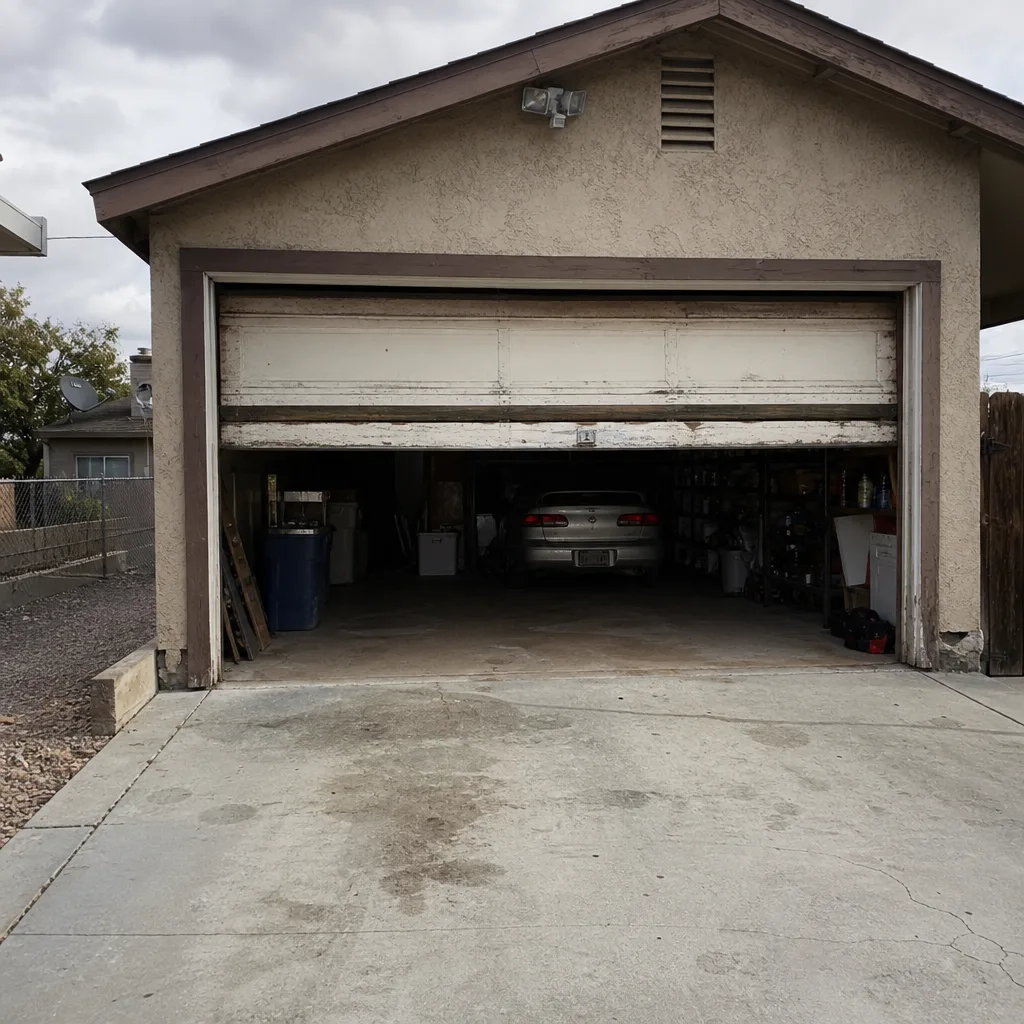 Before
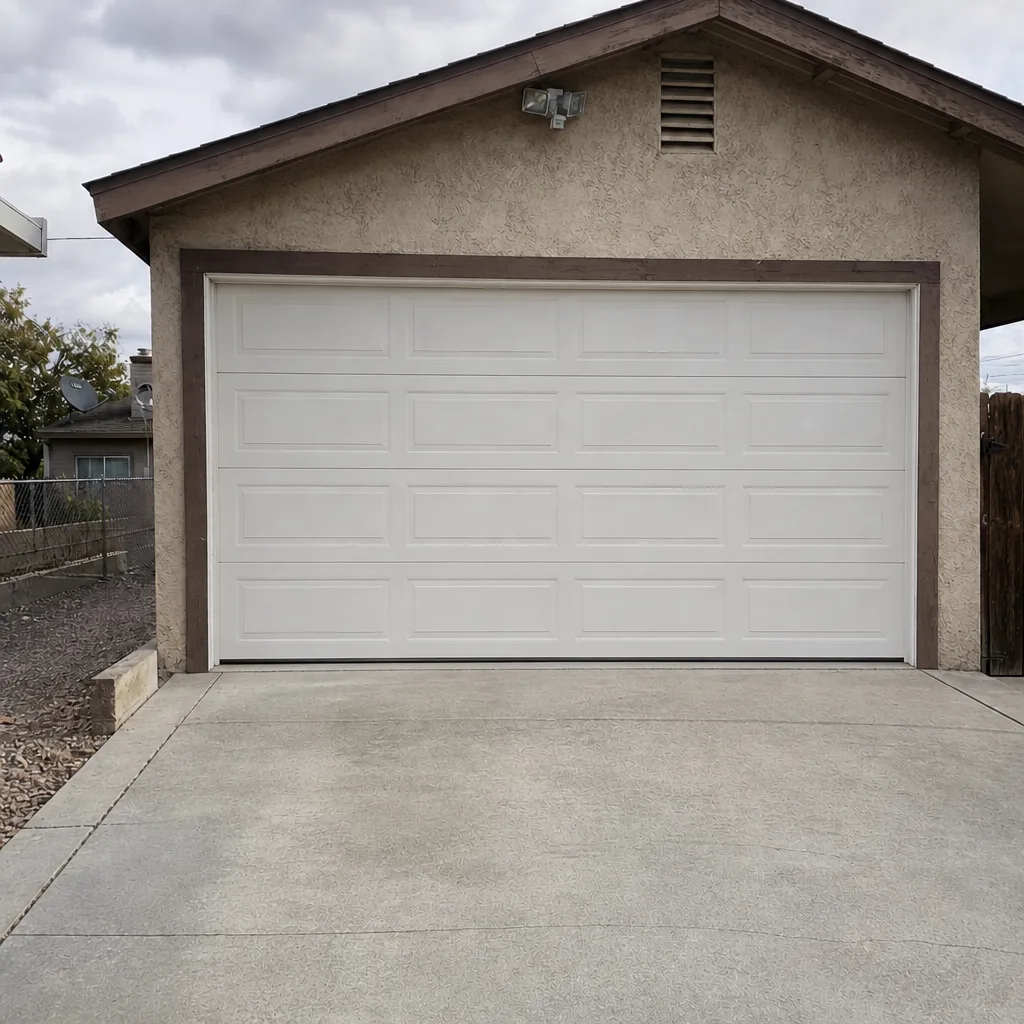 After
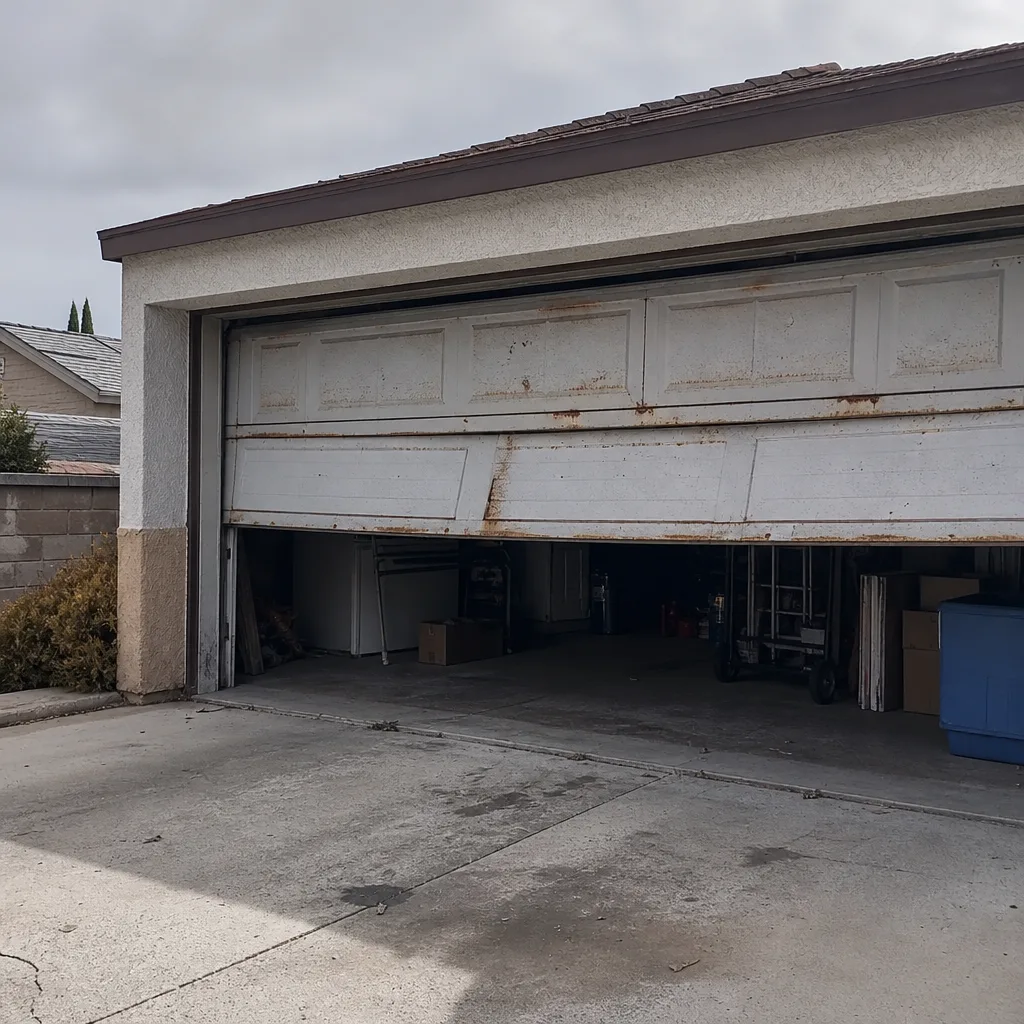 Before
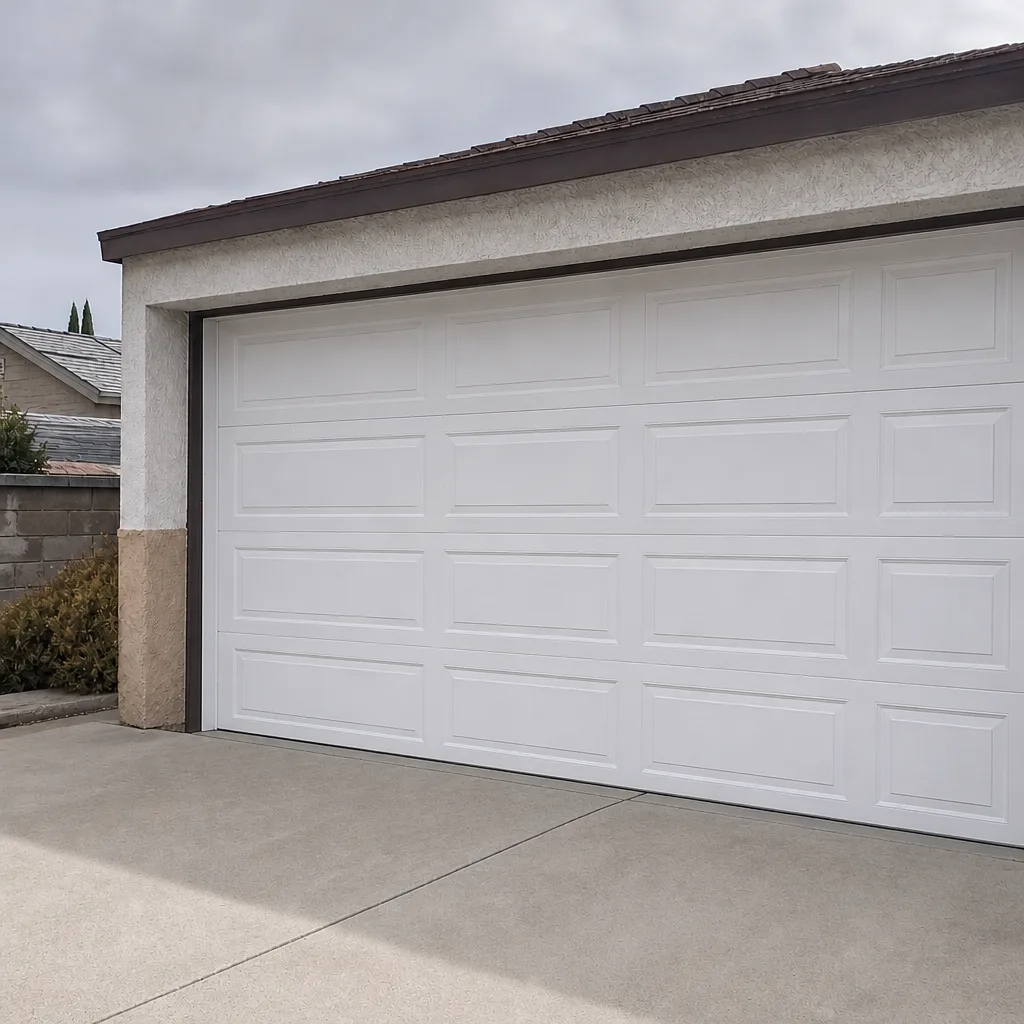 After
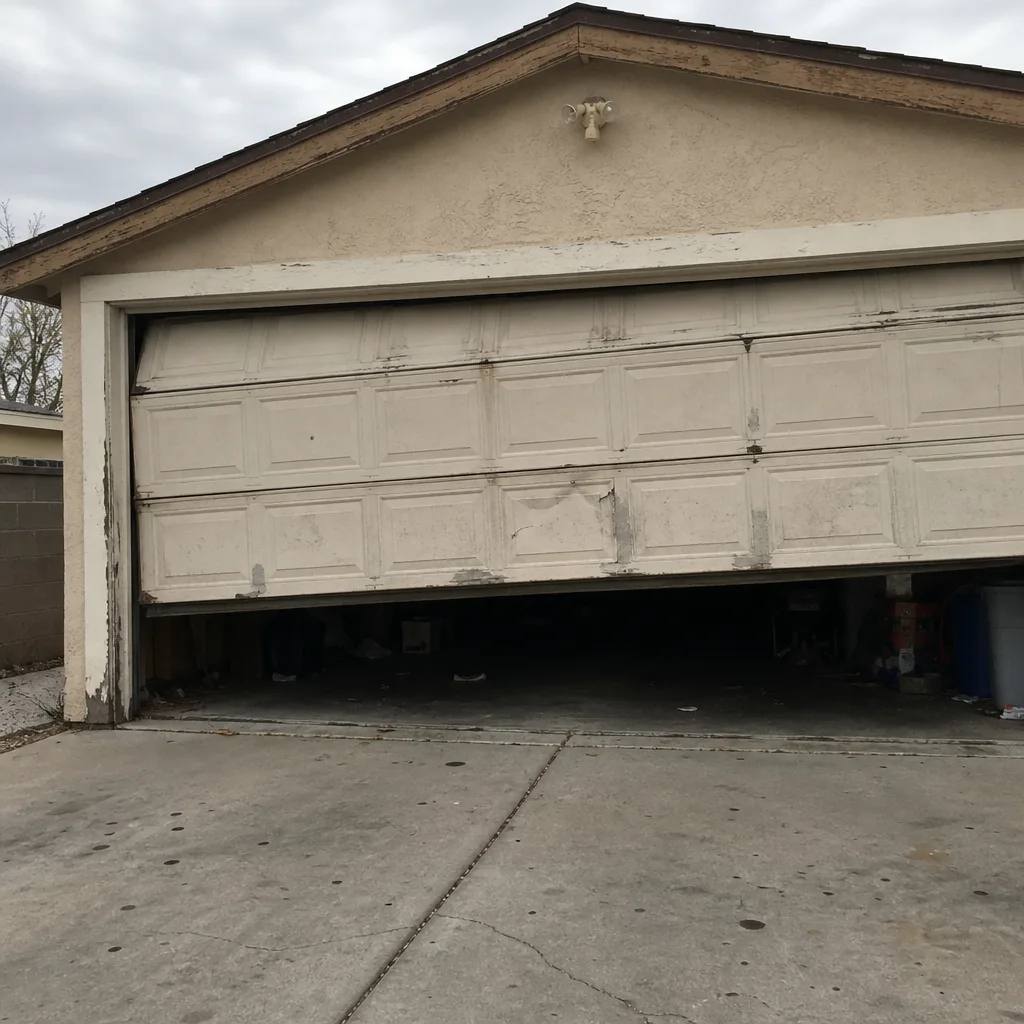 Before
 After
When to Call a Professional
Call us when the monthly check turns up something you can’t resolve, or when any of these are true: the door won’t reverse on the safety test, the door drops or fights you during the balance test, the torsion spring is cracked or the door won’t lift, the opener grinds or smells like hot wiring, or you’ve had a power surge and the logic board is dead. Those are all signs something is physically wrong, not just out of adjustment. Springs and cables are the one part of this schedule you should never touch. Otto’s Garage Door Sunrise Manor offers free estimates in Sunrise Manor and no trip charge inside the county – call (888) 274-8795 and a live person answers, day or night.
Frequently Asked Questions
A monthly visual and safety check, lubrication every six months, a full balance and force test once a year, and a spring and roller inspection every five years. In Sunrise Manor’s heat, we recommend doing the lubrication and track check in April and October, before the summer heat and after the winter cold, because both seasons stress different parts of the system.
You can and should do the lubrication yourself – it’s a light coat of grease on the springs, a drop on the rollers and hinges, and nothing on the track. What you shouldn’t do is adjust the springs, cables, or bottom brackets. Those are under heavy tension and are the single most dangerous part of any garage door. If your lubrication pass turns up a cracked spring or a frayed cable, call us. Estimates are free.
Attic temperatures in Sunrise Manor climb past 130 degrees, which thins lubricant and softens the plastic gears and bearing surfaces inside the opener. Combined with a track that’s warped slightly from heat expansion, the opener ends up working against a door that’s binding. A pre-summer lubrication and track alignment check is the fix. Call (888) 274-8795 and we’ll quote a spring and track inspection before we come out.
No, not on the parts that matter. WD-40 is a solvent and light penetrating oil, not a lubricant. It strips existing grease, attracts dust, and evaporates within weeks, leaving the parts drier than they started. Use a white lithium grease or a silicone-based lubricant, and only on the springs, rollers, and hinges.
Most torsion springs are rated for 10,000 to 15,000 cycles. At four cycles a day, that’s roughly seven to ten years. The signs of a spring near failure are visible rust, a visible gap in the coil, a door that won’t stay up in the balance test, or a loud bang that comes with the door not lifting. Don’t attempt a replacement yourself – call us, and we’ll give you a quote on the phone.
Yes. We quote the job on the call and hold that number when we arrive. The only way the price changes is if you add work, and we’ll tell you before we start. We’re licensed and insured, and we’ll show you the license number before we touch a thing. Call (888) 274-8795 and we’ll quote it.
The Bottom Line
Four intervals, four sets of tasks, and no filler. Monthly, check the visible parts and listen for grinding. Every six months, lubricate the right parts and keep WD-40 away from the ones that need real grease. Annually, run the balance test and the force-setting test to catch problems before they damage the opener. Every five years, inspect the springs, rollers, and drive gear. In Sunrise Manor, do the spring and track check in April, before the summer heat thins your lubricant and warps your track. Skip the rest of what gets sold as “maintenance” – it’s not on this schedule for a reason. Call us at (888) 274-8795 for a free estimate on anything the schedule turns up.
Written by the team at Otto’s Garage Door Sunrise Manor.