
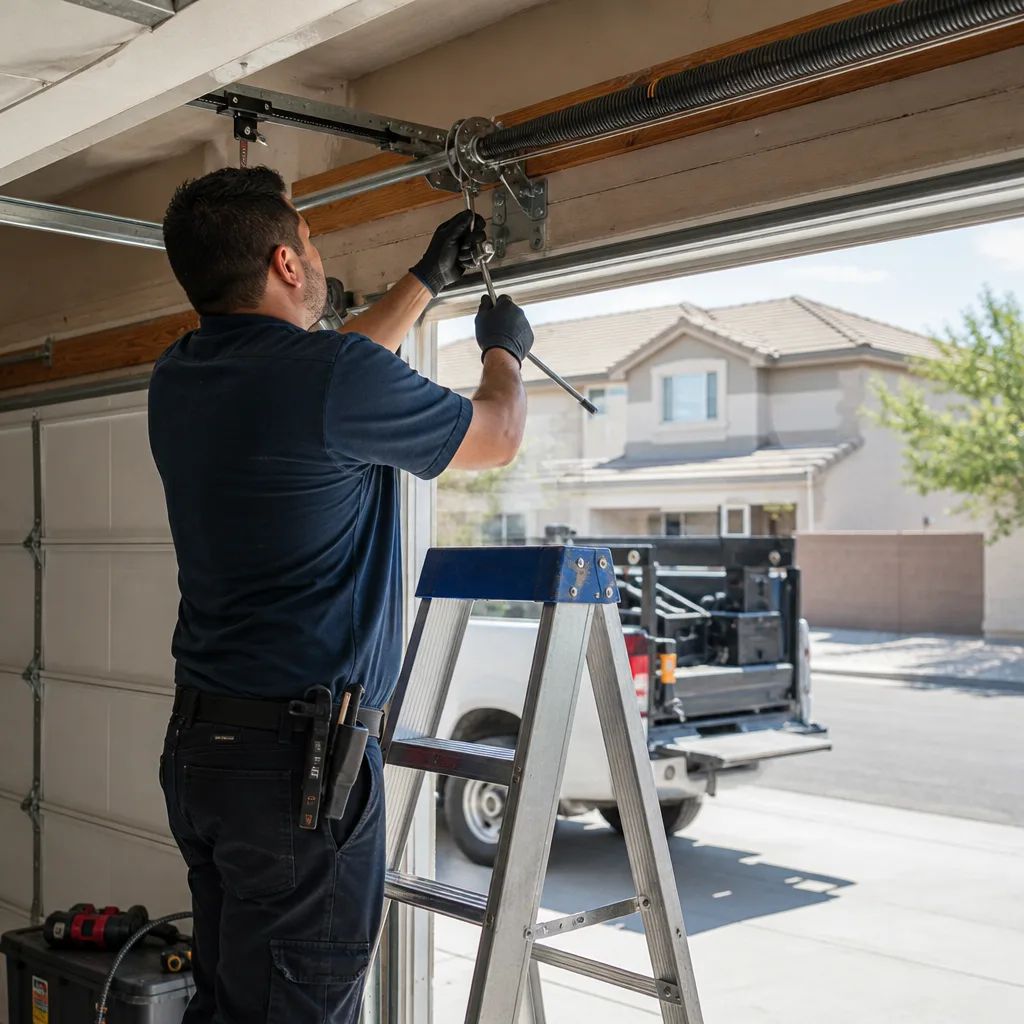
Last updated November 17, 2026
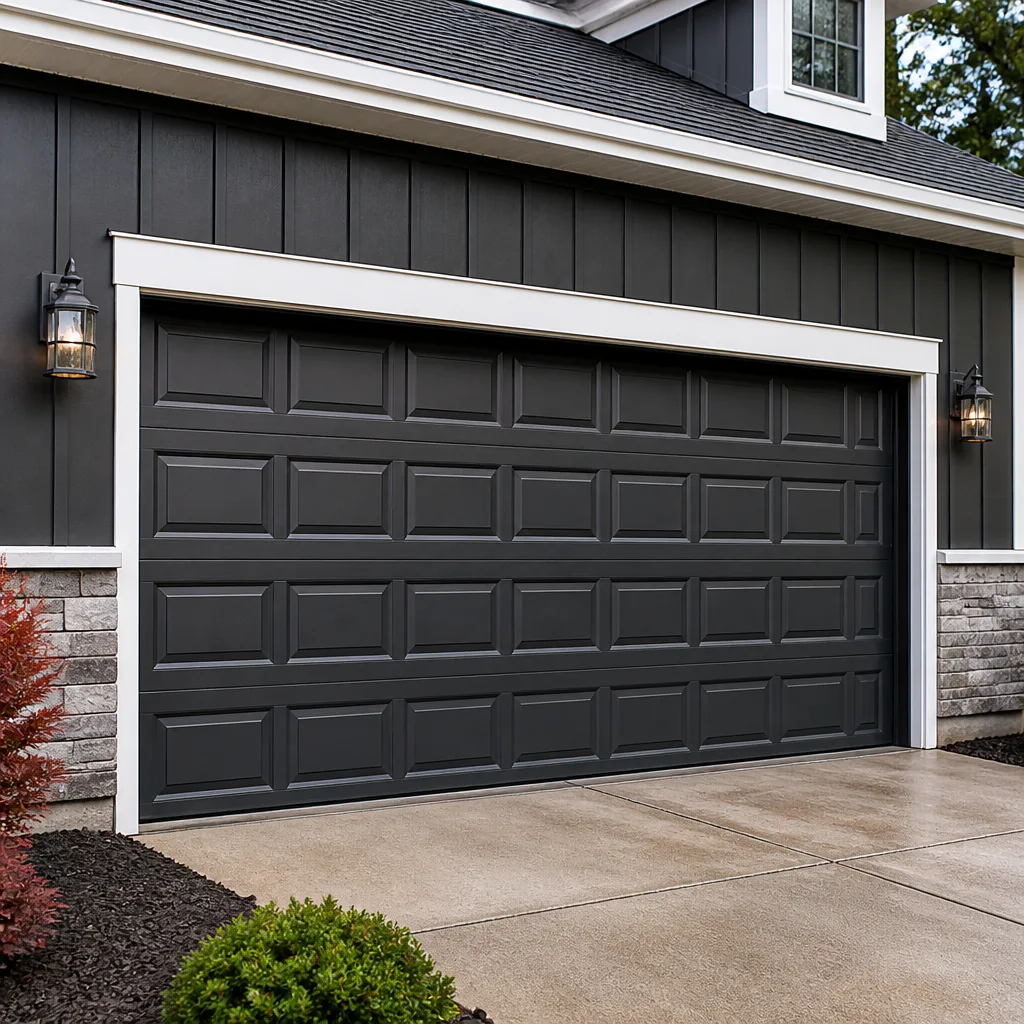 Raised-panel steel
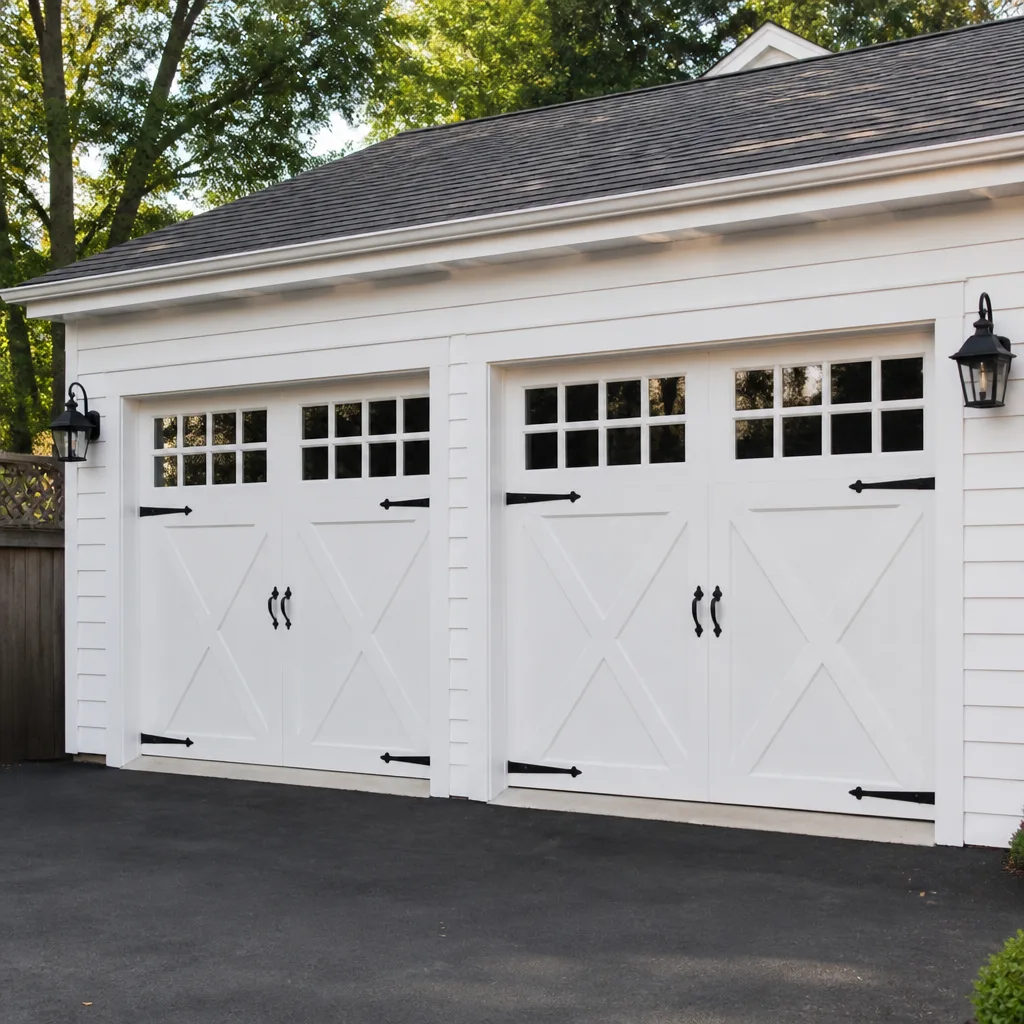 Carriage house
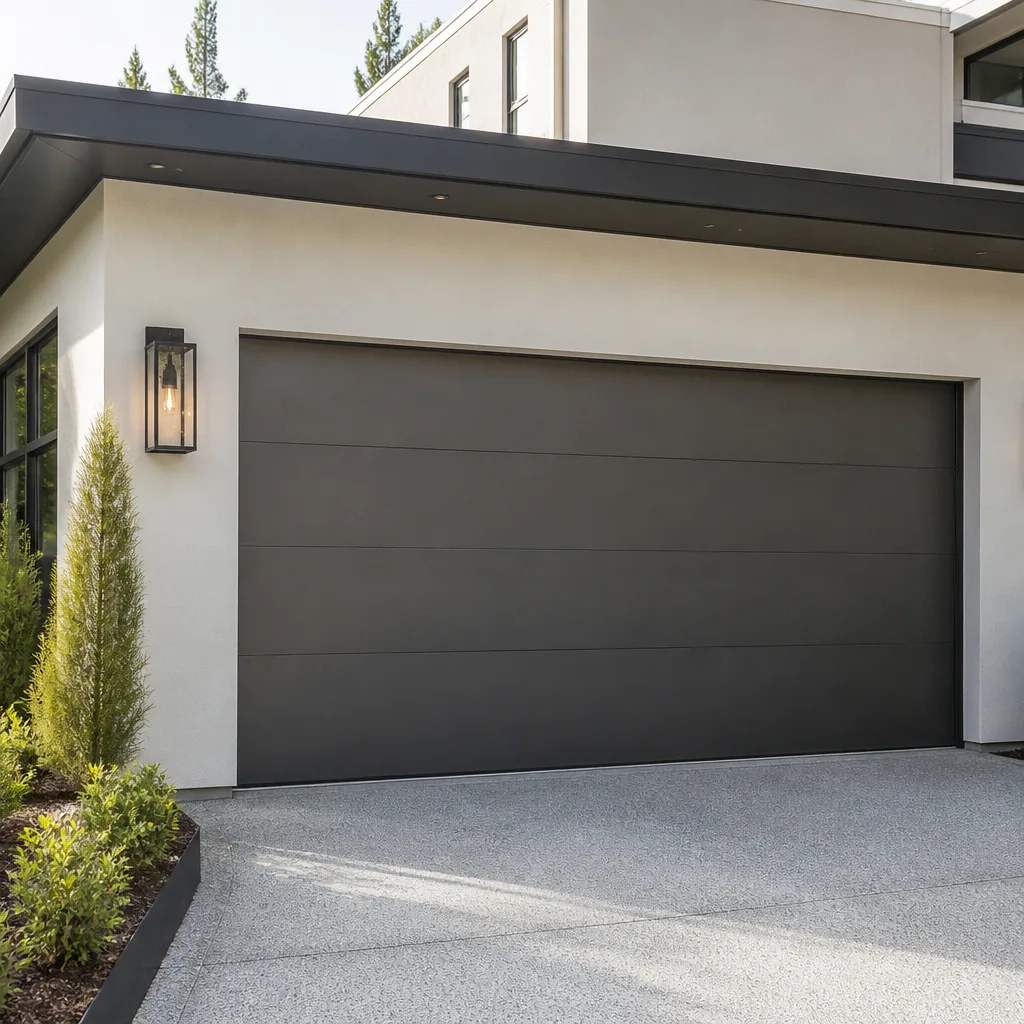 Modern flush
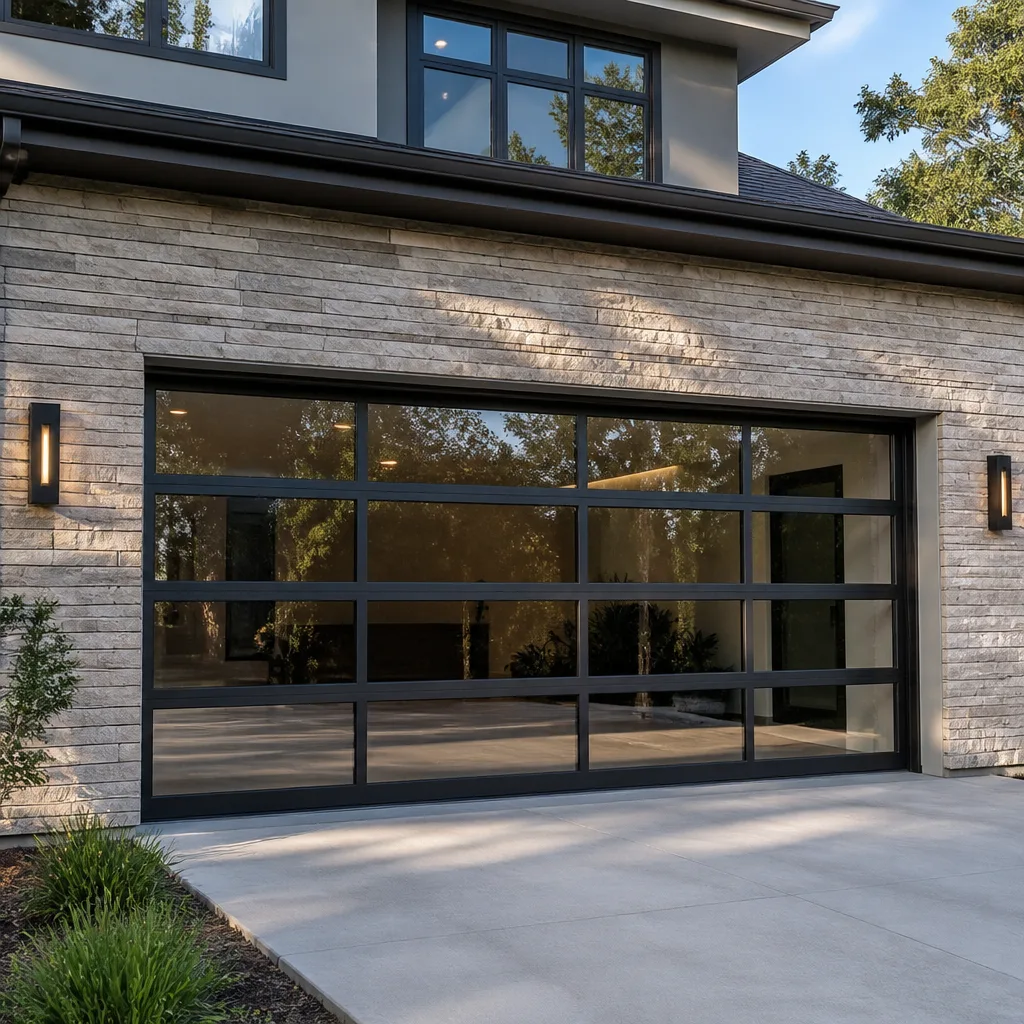 Full-view glass
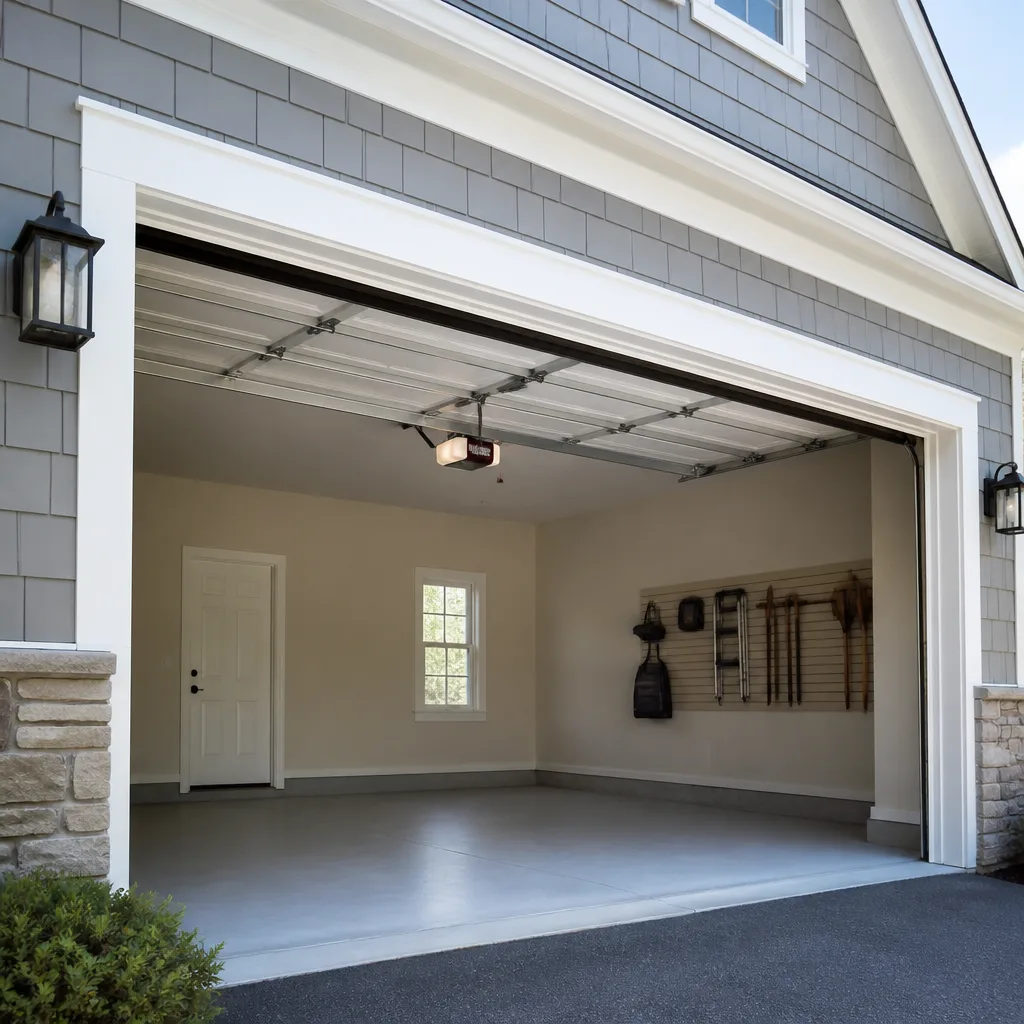 LiftMaster openers
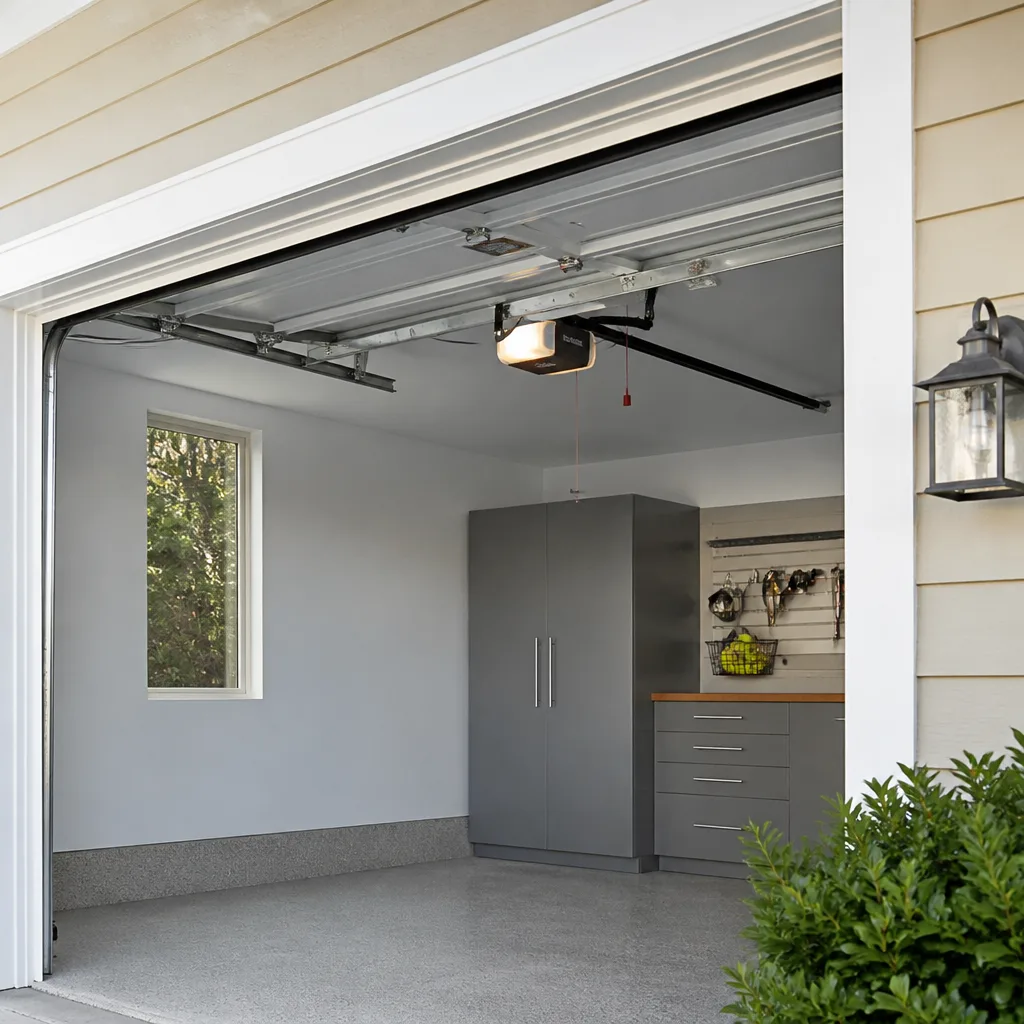 Chamberlain openers
Full 25-point door and opener safety check with every visit - springs, cables, rollers, tracks, and your LiftMaster or Chamberlain opener included
You get a price before we start. It does not change when the pro arrives.
Get your free estimateDIY vs Professional Garage Door Repair: What’s Safe to Do Yourself
A torsion spring on a standard residential door is wound to somewhere between 100 and 200 foot-pounds of torque. It holds that energy every hour of every day, waiting. There’s a popular video of a solo spring swap with 800,000 views, and pinned right at the top is a comment from a homeowner who came out of it with a shattered wrist and a surgery bill. This guide draws the DIY line at physics rather than at skill level. You’ll get a hard yes/no list sorted by stored energy, the five repairs that are truly safe to do yourself, the honest cost math on spring replacement, and a straight answer on when to put the tools down and call. We’re Otto’s Garage Door, and we work these doors every week in Sunrise Manor.
Quick Answer
Safe DIY garage door work is limited to parts that hold no stored energy: weatherstripping, lubrication, photo-eye sensor alignment, remote and keypad programming, and T-handle lock replacement. Anything touching torsion springs, extension springs, cables under tension, bottom brackets, or the counterbalance system as a whole is a professional job, no matter how handy you are. The dividing line is stored energy, not difficulty, and a spring can release enough force to break a bone in under a second.
Styles & brands we work with
- Raised-panel steel
- Carriage house
- Modern flush
- Full-view glass
- LiftMaster openers
- Chamberlain openers
Table of Contents
- Why the Real Question Is Stored Energy
- The Five Repairs That Are Genuinely Safe DIY
- The Jobs You Should Never Touch
- Cable Inspection vs Cable Repair: Two Very Different Things
- The Honest Cost Math on DIY Spring Replacement
- When We’ll Walk You Through It, and When We Say “Don’t Touch It”
- Sunrise Manor Climate and Your Door
- Common Mistakes to Avoid
Why the Real Question Is Stored Energy
A garage door is the heaviest moving object in most homes. A single-car door runs 130 to 150 pounds; a double can top 200. Neither the springs nor the door cares whether the person underneath it has a toolbox. What matters is whether the part you’re about to touch is holding force. If it is, a mistake doesn’t cost you a Saturday afternoon. It costs you a hand.
Here’s the distinction most DIY advice gets wrong. Difficulty and danger aren’t the same thing. Replacing a photo-eye bracket is fiddly and takes patience, but it’s harmless. Loosening a bottom bracket is one bolt and it can kill you. So forget the star ratings on a how-to video. Ask a simpler question: what happens if this part lets go right now?
The counterbalance system is where every serious injury lives. Torsion springs, mounted on a shaft above the door, and extension springs, running alongside the tracks, store the energy that lifts the door. Cables, drums, and bottom brackets all sit in that load path. Everything else on the door, in our experience, is homeowner territory.
If you’re not sure what kind of spring setup you have, that’s the first thing to figure out. A torsion system has springs on a horizontal shaft above the door opening. An extension system has springs running along the horizontal tracks. Knowing which one you’re looking at tells you where the danger is, and it’s also the first thing we ask when someone calls from a cracked spring in Sunrise Manor. If you’d rather have someone look it over, our Garage Door Repair in Sunrise Manor page covers what a service visit includes.
The Five Repairs That Are Genuinely Safe DIY
None of these involve stored energy. You can do all five with basic hand tools, and if one goes sideways the worst outcome is a door that still doesn’t work.
- Weatherstripping and bottom seals. The rubber flap along the bottom and the trim around the sides. It pulls out, slides back in, sometimes needs a few screws. This is the most overlooked maintenance on any door, and in Sunrise Manor it matters more than most places – wind-driven dust works its way under a dried, cracked seal and grit settles on the rollers.
- Lubrication. A few drops of a proper garage door lubricant on the hinges, rollers, and bearing plates. Not WD-40, and never grease on the tracks. Two or three times a year is enough.
- Photo-eye sensor alignment. The two small lenses near the floor should face each other, and the indicator light on each should be solid. A bumped broom or a knocked bracket is usually the whole problem. Straighten them by hand and check the light.
- Remote and keypad programming. Every modern opener, Chamberlain and Genie included, has a learn button and a documented pairing process. It’s a button sequence, nothing more.
- T-handle lock replacement. The manual slide lock on the door face. Unscrew the old one, fit the new one, same screw holes in most cases.
Notice what’s not on that list: anything attached to a spring, cable, or the bottom corner of the door. That’s deliberate. If you want a fuller picture of how the opener side of things behaves, our Garage Door Opener Repair & Installation in Sunrise Manor page walks through the electronics.
The Jobs You Should Never Touch
This list is short and firm. Every item on it has put someone in the emergency room at some point, and not always someone who was being reckless.
- Torsion spring replacement or adjustment. Winding a spring means standing directly in the release path with two winding bars. There’s no safe way to demo it first.
- Extension spring replacement. These stretch rather than twist, and they fail by flying. An uncontained extension spring that snaps can go through drywall.
- Cable replacement. Cables hold the door’s full weight on both sides. Cutting one under load is exactly as dangerous as it sounds.
- Bottom bracket work. The bracket at the lower corner is where the cable anchors. One bolt, enormous tension.
- Track realignment on a bent or sagging track. A door can come off a misaligned track and fall. Tracks also carry the counterbalance geometry.
- Replacing a broken spring with mismatched parts. The wrong spring or wire gauge loads the opener and the door unevenly. This is one of those places where the cheap part is the expensive part.
The reason this list reads the way it does is simple: a door is 200 pounds riding on two springs. Respect it. A trained technician carries the right winding bars, the correct spring size for your door’s weight, and – this is the part DIY skips – a safe way to hold the door while the system is unloaded. Our technicians have up to 22 years of experience, and the ones worth their salt still treat every spring job like it’s their first.
Cable Inspection vs Cable Repair: Two Very Different Things
Cable inspection is safe and smart. Cable repair is a professional job. The trick is knowing which you’re actually looking at.
Inspection means looking. From a step stool, with the door fully closed, check for fraying near the drum at the top corners, kinks, rust, or a cable that’s jumped its groove. Look at the bottom brackets for slack. If the door is crooked, hanging low on one side, or the cable looks like a frayed rope end, stop there. That’s the boundary.
Repair means releasing tension, and the tension on that cable is holding up the door. Here’s how to tell which situation you’re in:
- You’re inspecting if the door is level, the springs are intact, and you’re just looking at cables for wear during routine maintenance.
- You’re repairing if a cable is frayed to the point of failing, has come off the drum, is visibly loose, or the door is hanging crooked. Back away from the door and call.
Cable work is a different danger category from inspection, not a harder version of the same thing. A cable under load can whip when it releases. We’ve seen it in Sunrise Manor after a dry winter season made the steel brittle – the door came down crooked on one side and the homeowner was right to leave it alone.
The Honest Cost Math on DIY Spring Replacement
Here’s the number people actually want. A torsion spring replacement from a professional runs a couple hundred dollars, sometimes a bit more depending on the door, the spring size, and whether it’s a single or double. That’s the whole job: parts, labor, and a written guarantee on the work.
Now the DIY version. The spring itself is the cheap part. But pricing out what can go wrong is the honest comparison:
- The spring and winding bars: an out-of-pocket cost that assumes you buy the right spring the first time.
- The ER visit if the winding bar slips: a copay that starts where the professional job ends, and goes up from there.
- The bent panel if the door drops unevenly while you’re working on it: often more than the whole professional spring job.
- The opener damage if the door’s balance is off after the swap. A strained opener will burn out a gear or a motor, and that’s another repair.
We’re not going to pretend a spring swap is always a disaster. Plenty of careful people have done it. But the math only works if nothing goes wrong, and the second most expensive thing that can happen is the door panel. Add up the realistic outcomes and the professional job is usually the cheaper bet. If you want to price out a full door, our Garage Door Installation in Sunrise Manor page covers Clopay and Amarr options and what a proper measurement looks like.
When We’ll Walk You Through It, and When We Say “Don’t Touch It”
A live person answers our phone around the clock, often Otto himself. That means a lot of calls start with a homeowner mid-project, tools in hand. Sometimes the call is five minutes and you’re back to it. Sometimes it’s “stop, don’t touch anything, I’m on my way.” Here’s the honest split.
We’ll walk you through it on the phone when:
- Your remote won’t pair. Nine times out of ten it’s the learn button sequence or a battery. We’ll talk you through it.
- A sensor light is blinking. We’ll tell you how to check alignment and what a solid light means.
- You’re not sure whether a noise is a roller, a hinge, or a loose bolt. Describe what you hear and we can usually narrow it down.
- Your door is stuck and you want to know whether you can safely get the car out.
We say “don’t touch it” when: a spring is broken or you can see one is cracked, a cable is frayed or off its drum, the door is crooked, or the door has dropped. In those cases we’ll tell you to keep everyone off the door and out from under it, and we’ll be there. The front page over at Otto’s Garage Door Sunrise Manor home has the number and the service hours if you need us fast.
Sunrise Manor Climate and Your Door
Desert heat does things to garage doors that a lot of general guides don’t mention. In Sunrise Manor, summer garage temperatures climb high enough to cook the rubber. Weather seals crack faster here than in milder climates, and when they crack, dust and grit get onto the rollers. That’s one of the reasons the rollers in Sunrise Manor doors wear faster than you’d expect – the same seal you’d replace every few years somewhere else sometimes needs a look every year here.
The heat also pushes on the lubrication. Grease thins out, and by August the hinges are dry. That grinding sound isn’t a failing door, it’s a door asking for a few drops of lubricant. Meanwhile, our dry winters are a different story – the wood trim around the opening shrinks and cracks, and that’s when you want your cables inspected. If you’ve ever noticed your door gets noisier in June than it was in February, that’s the climate talking.
The other Sunrise Manor-specific thing is the constant wind-blown grit. It finds every moving part. A quick wipe-down and a relube twice a year does more for your door here than a fancy tune-up would somewhere greener.
Common Mistakes to Avoid
- Winding bars from a hardware store instead of proper tools. Standard bars are the wrong metal and the wrong length. They slip, and slippage is the entire accident. Buy the right spring or hire someone who has the bars.
- Greasing the tracks. People think the door should glide. The door’s weight goes on the rollers and hinges. Greasing the tracks collects grit and makes the door hop, and in this dust it gets ugly fast.
- Using WD-40 as lubricant. It cleans, it doesn’t stay. For rollers and hinges you want an actual garage door lubricant. A couple of drops on a dry hinge is the whole job.
- Buying a spring off the internet by eyeball. Spring size depends on the door’s weight and the number of cycles you expect. The wrong gauge loads the opener and shortens everything’s life.
- Working on the door with it raised. If a spring or cable fails while the door is up, gravity does the rest. If you’re touching anything below the springs, the door should be closed and you shouldn’t be standing under a raised door at all.
- Bypassing a sensor because it’s “annoying.” Those two eyes are the reason the door doesn’t come down on a kid’s bicycle. Fix the alignment instead.
- Assuming the door is balanced when it’s not. Pull the release and try to lift the door halfway. If it doesn’t stay there, the balance is off and the opener is fighting it. That’s a call, not a DIY fix. It’s also the first thing we check when an opener keeps tripping a safety reverse.
See the difference
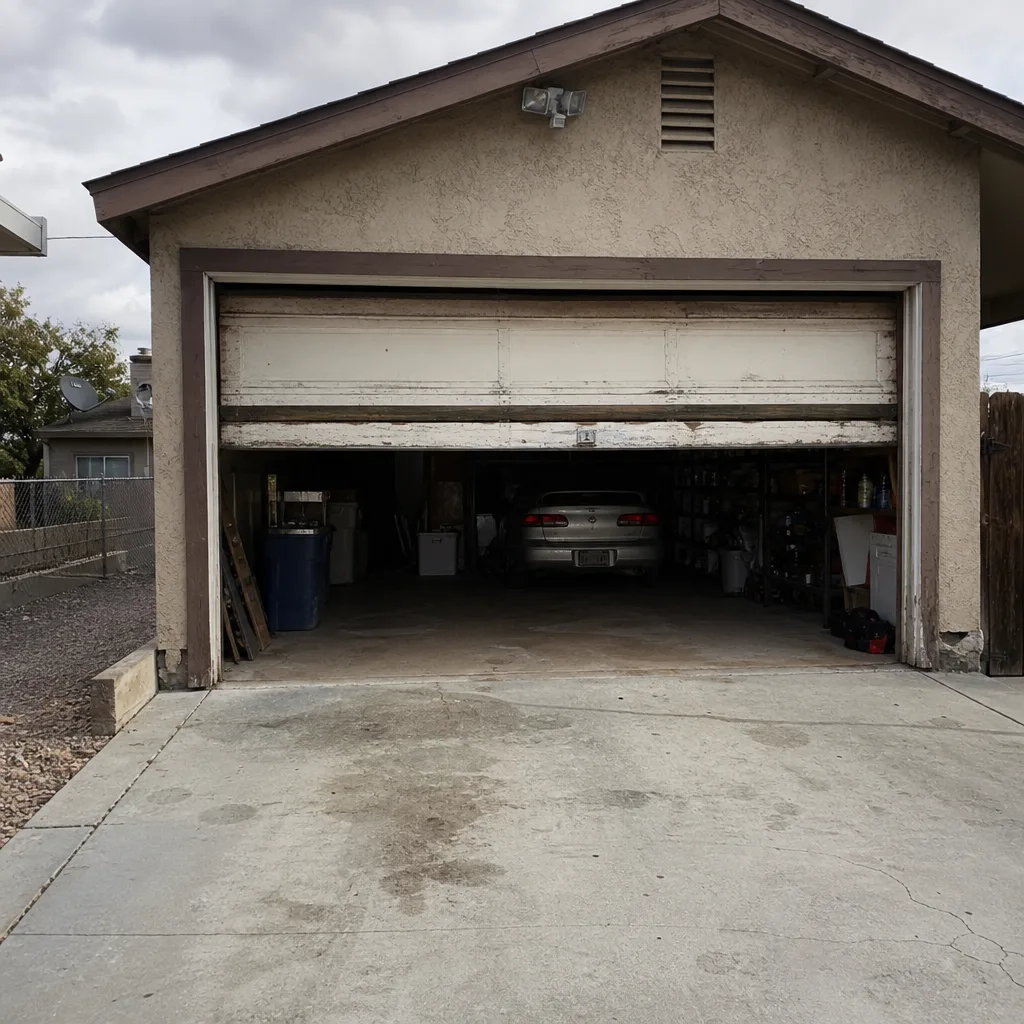 Before
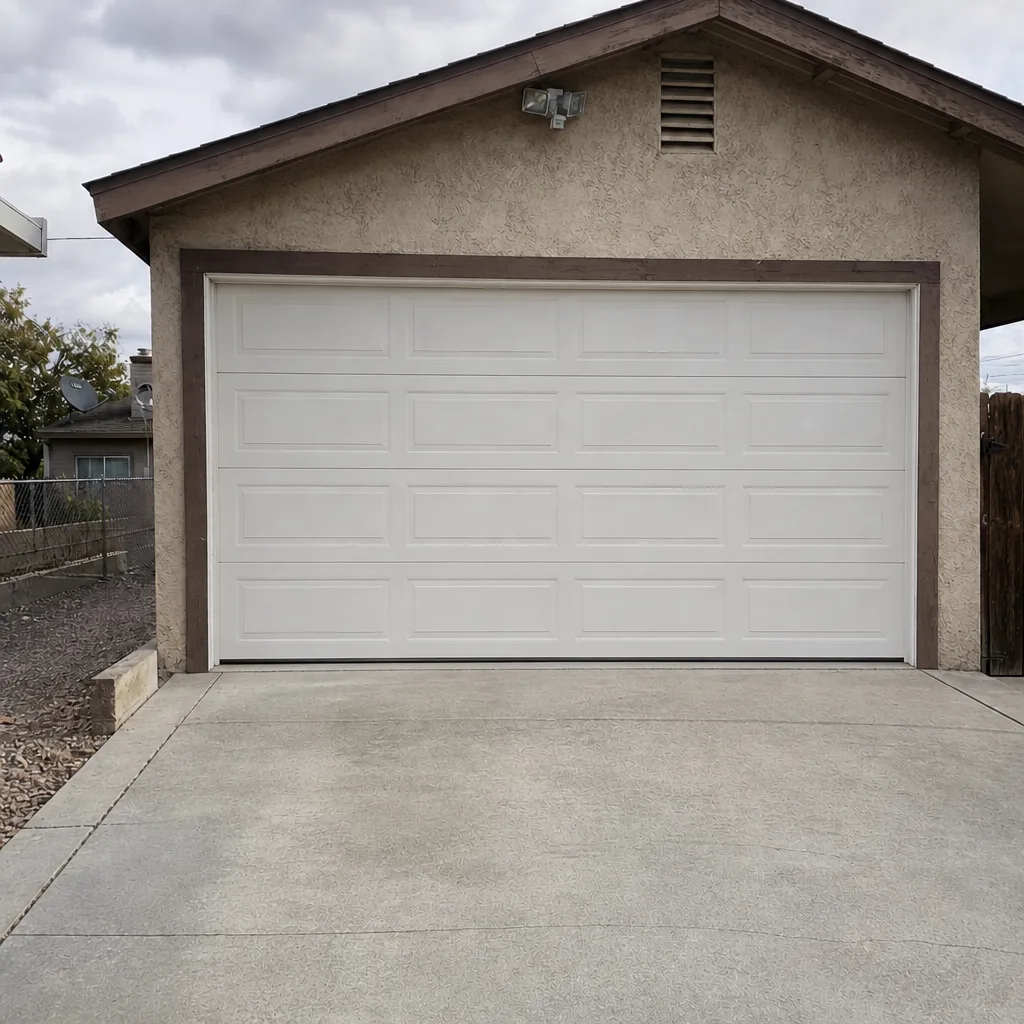 After
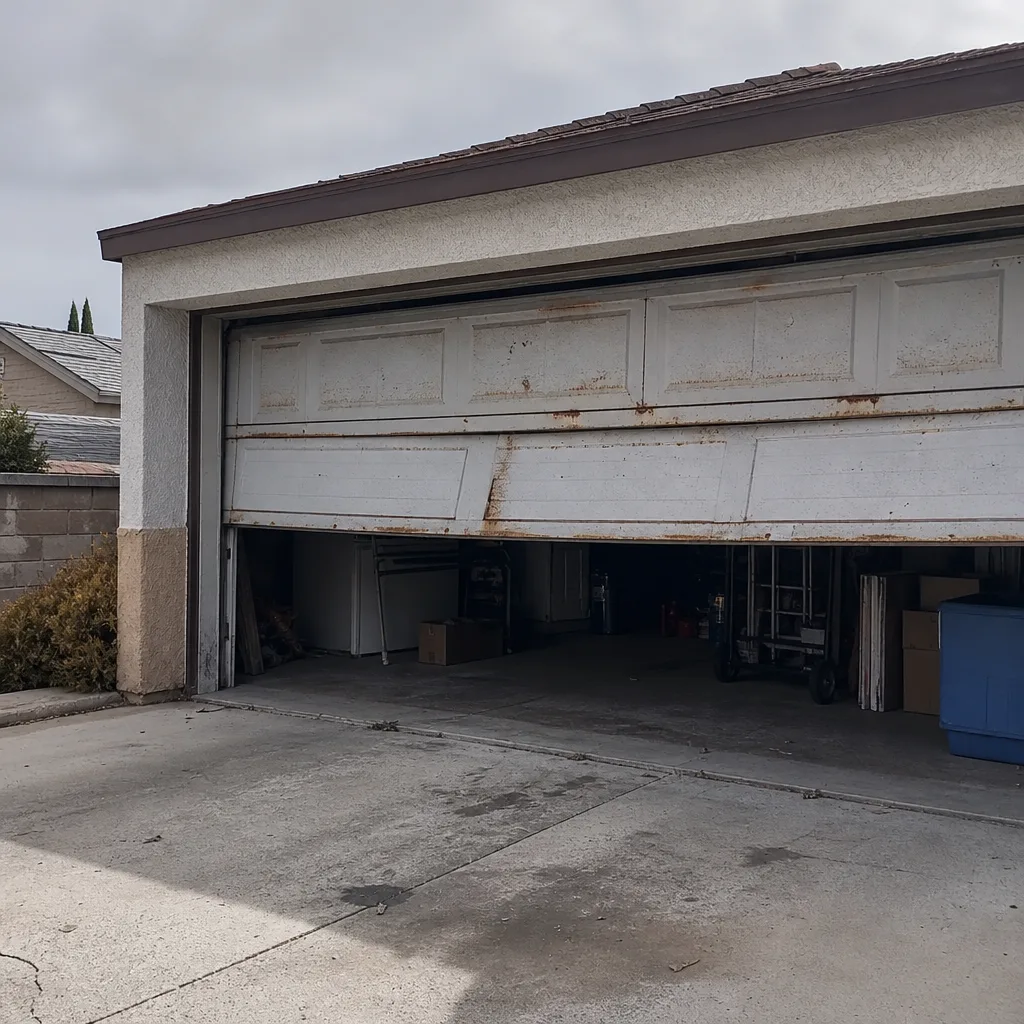 Before
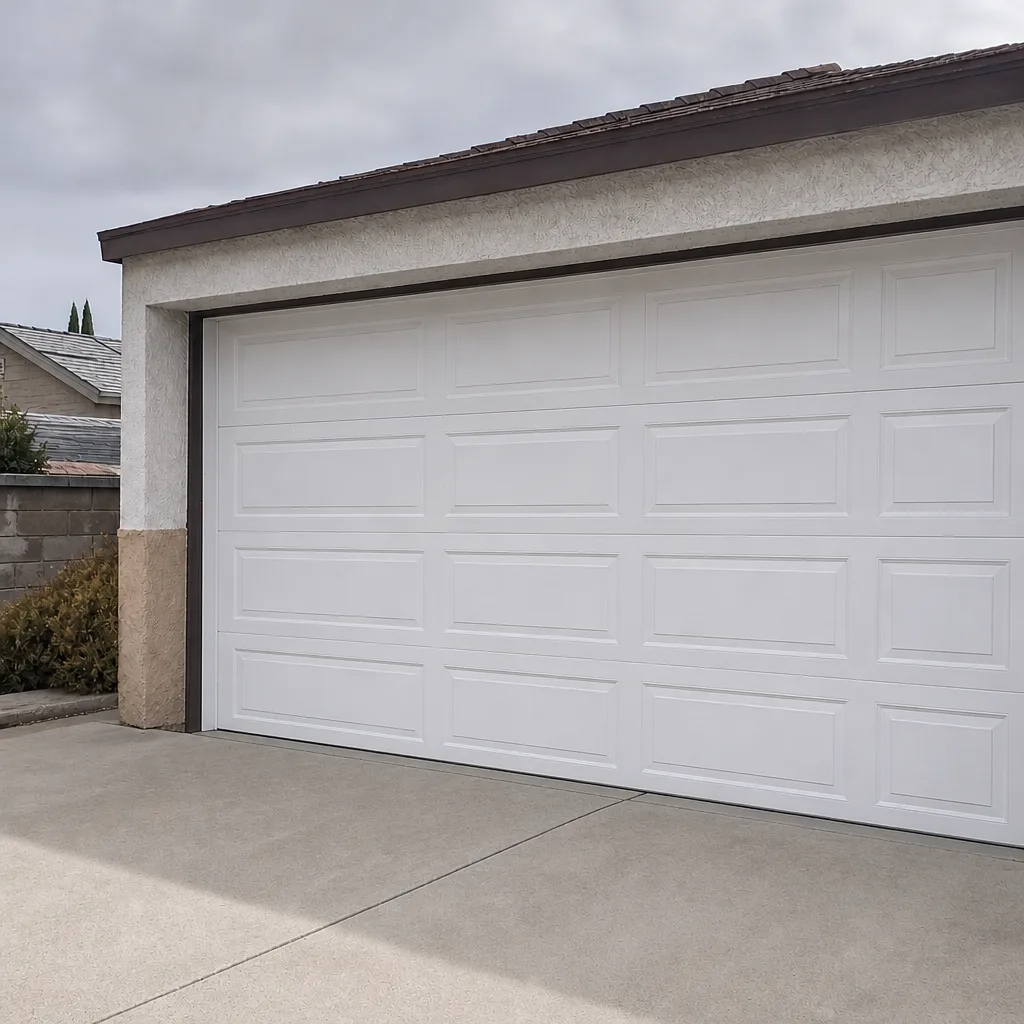 After
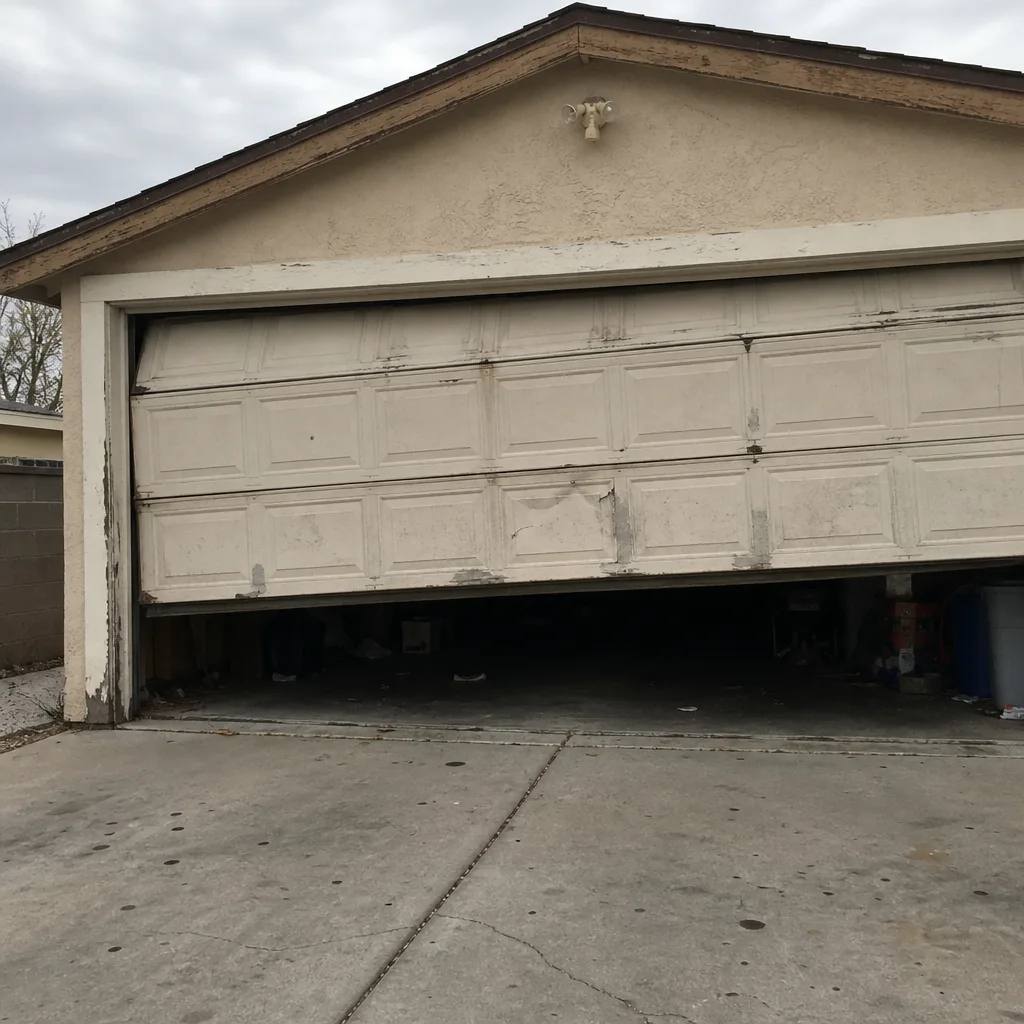 Before
 After
When to Call a Professional
Call us when a spring is broken or visibly cracked, when a cable is frayed or has jumped its drum, when the door is crooked or has dropped on one side, when the track is bent, or when the opener keeps reversing on the way down after you’ve checked the sensors. Call before you drive the car out if the door feels heavy enough that the opener is straining. A broken door is worth a phone call, and a call early is cheaper than a call late. Our technicians have up to 22 years of experience with LiftMaster, Chamberlain, Genie, Clopay, Amarr, and Raynor hardware, and we quote on the call and hold that price at the door. Otto’s Garage Door Sunrise Manor offers free estimates in Sunrise Manor – call (888) 274-8795.
Frequently Asked Questions
No. A torsion spring on a typical residential door holds 100 to 200 foot-pounds of torque, and replacing it means standing in the release path while winding it. Even experienced techs treat it as a dangerous job. Call a professional instead – the risk of hand or facial injury isn’t worth what the spring costs.
Five things: weatherstripping and bottom seals, lubrication of hinges and rollers, photo-eye sensor alignment, remote and keypad programming, and T-handle lock replacement. None of them involves stored energy. If the job touches a spring, cable, or bottom bracket, it’s not on the safe list.
Usually a couple hundred dollars, sometimes a bit more depending on the door and spring size, and that includes the parts, the labor, and a written guarantee on the work. Compare that to an ER copay plus a bent door panel and the professional job is usually the cheaper option. Call (888) 274-8795 for an exact quote – estimates are free.
Often, yes. Describe what you hear and whether the door is crooked, and we can usually narrow it down. If it’s a broken spring or a frayed cable, we’ll tell you to stop and keep everyone off the door. If it’s a sensor or a remote, we’ll walk you through it right then.
Yes, and it’s usually the heat. Summer garage temperatures dry out the lubricant and crack the weather seal, so the hinges and rollers get noisy. A few drops of garage door lubricant on the hinges and rollers usually quiets it down. If the noise is a popping or snapping sound, that’s different – that’s a sign of a spring or cable problem, and it’s worth a look.
A door off its track is a counterbalance problem, not a handyman problem. Re-seating it means getting the load right, and the wrong adjustment puts the full weight back on the opener or the tracks. If the track is bent, it needs a professional, and a quick second opinion is free on any written estimate.
The Bottom Line
The DIY line isn’t about whether you’re handy. It’s about whether the part you’re touching is holding stored energy. Weatherstripping, lubrication, sensor alignment, remote programming, and lock replacement are yours to do, and doing them well makes everything last longer. Springs, cables, bottom brackets, and the counterbalance system belong to a professional, every time. In Sunrise Manor, add our heat and dust to the maintenance calendar – seals and lubrication need a little more attention here than a general guide would suggest. If the job touches a spring or a cable, put the tools down and call. A handshake beats a hospital visit.
Written by the team at Otto’s Garage Door Sunrise Manor.
Call (888) 274-8795 for a free estimate.