
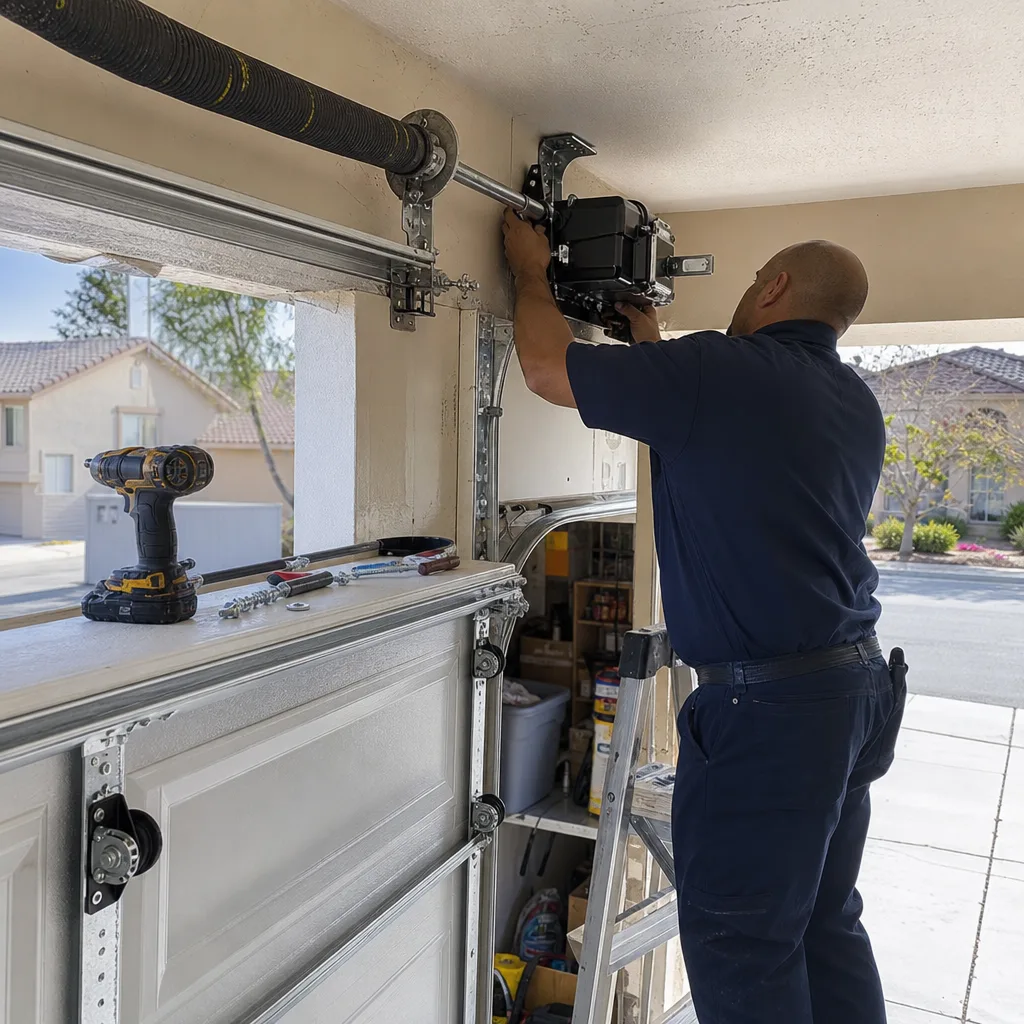
Last updated November 17, 2026
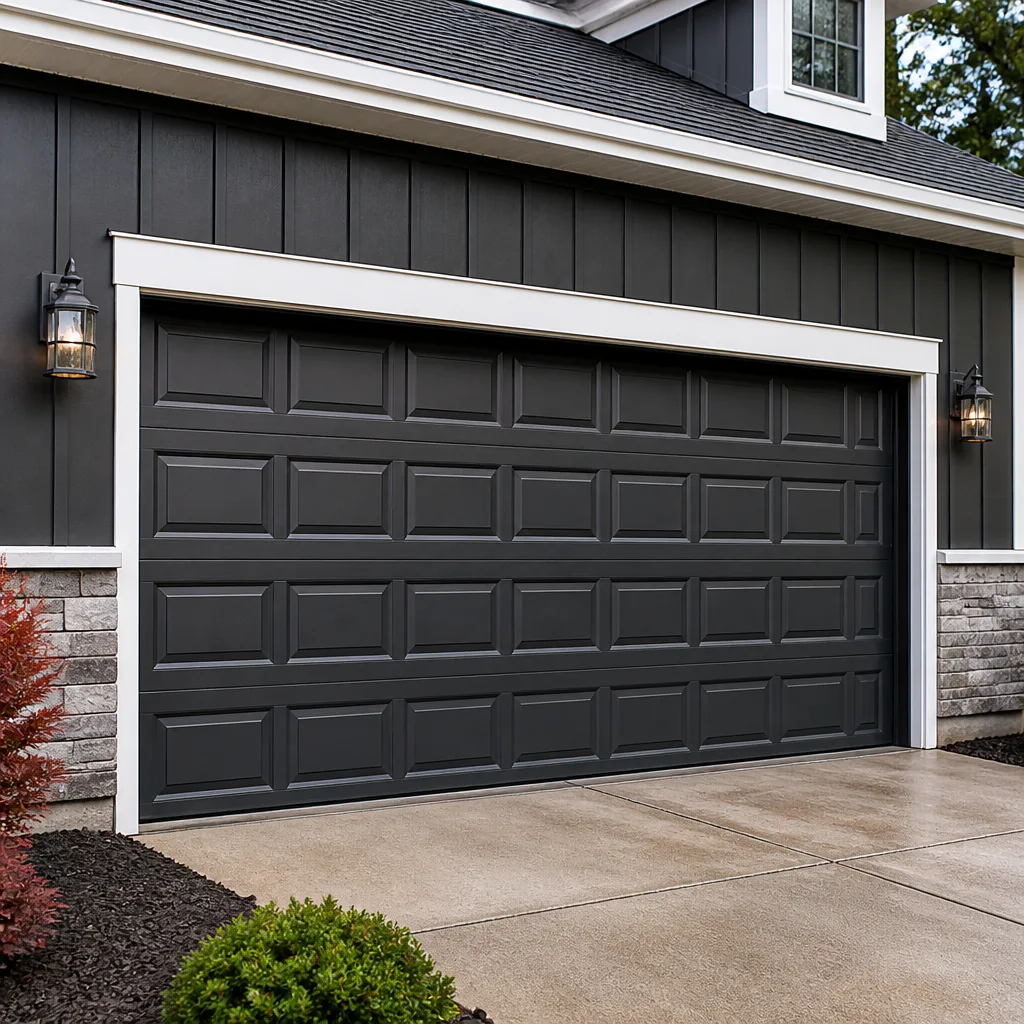 Raised-panel steel
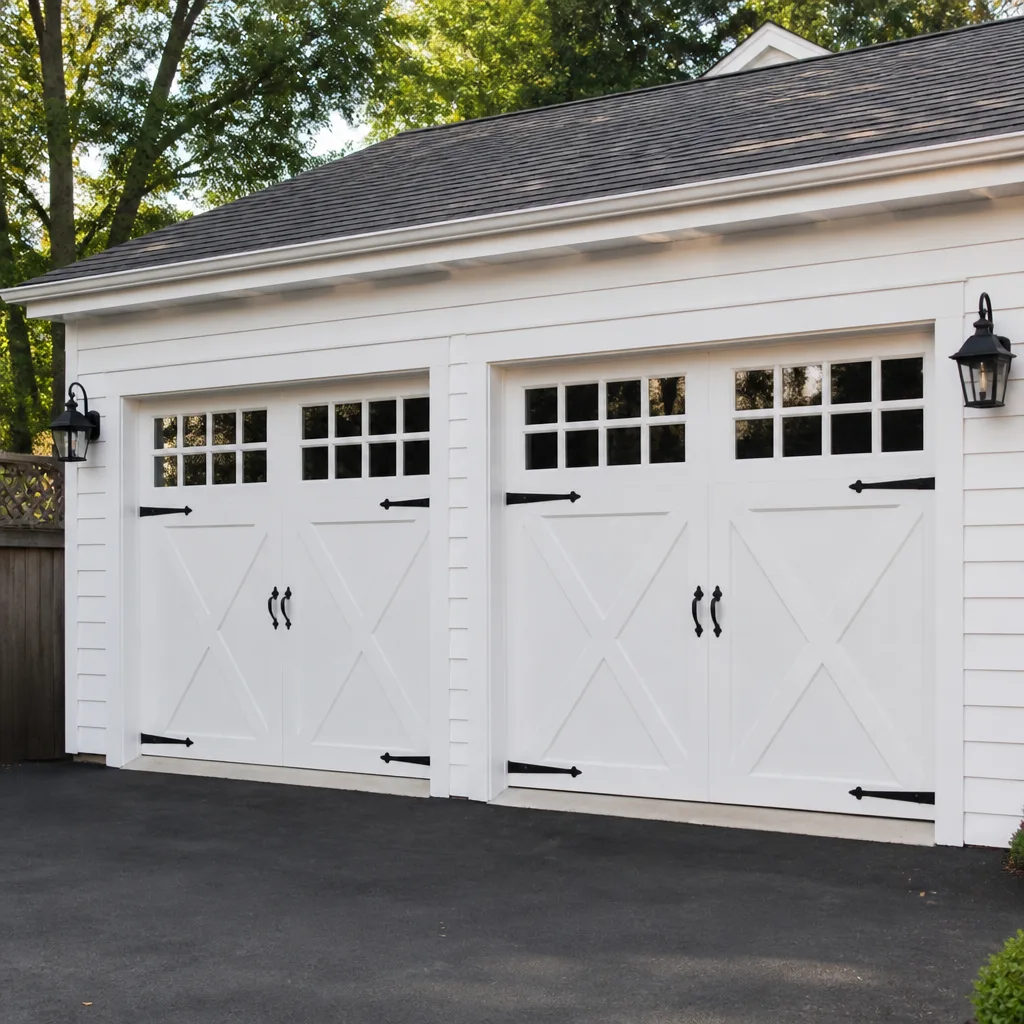 Carriage house
 Modern flush
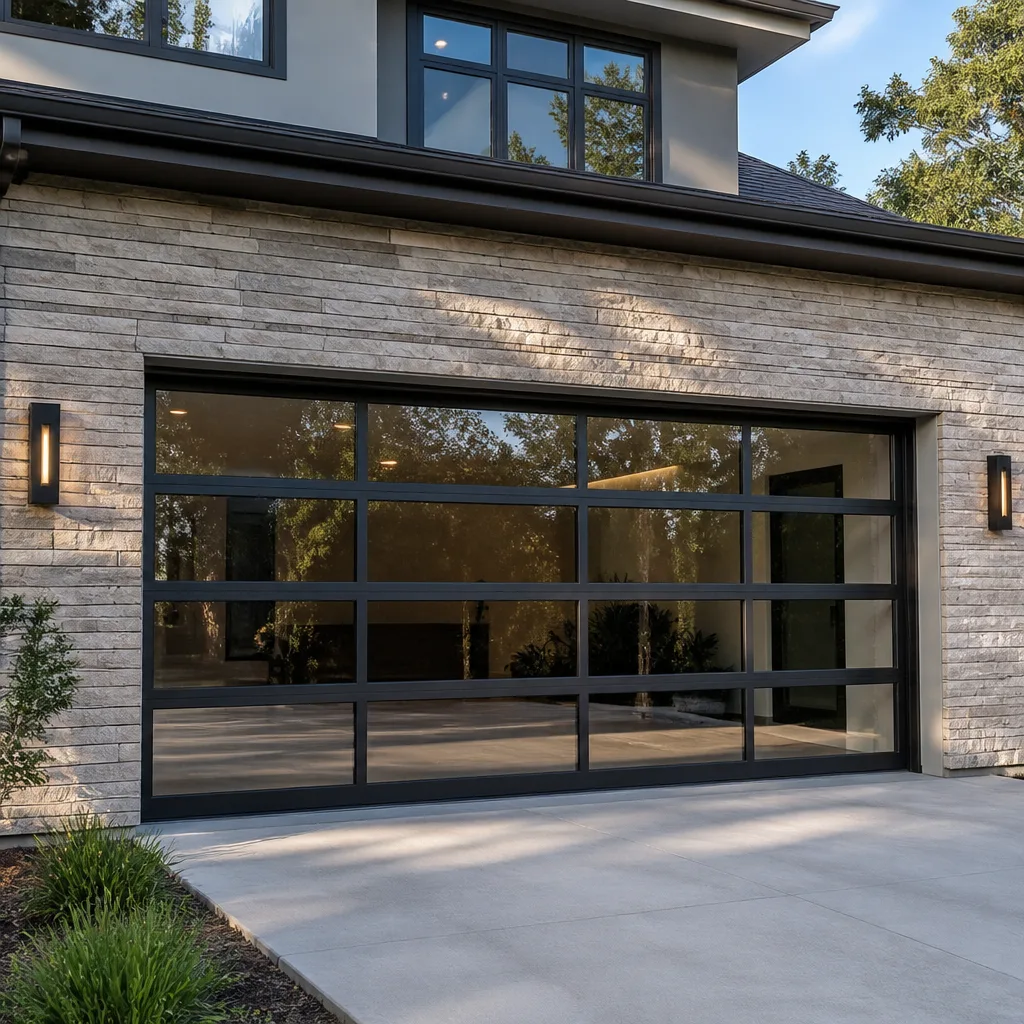 Full-view glass
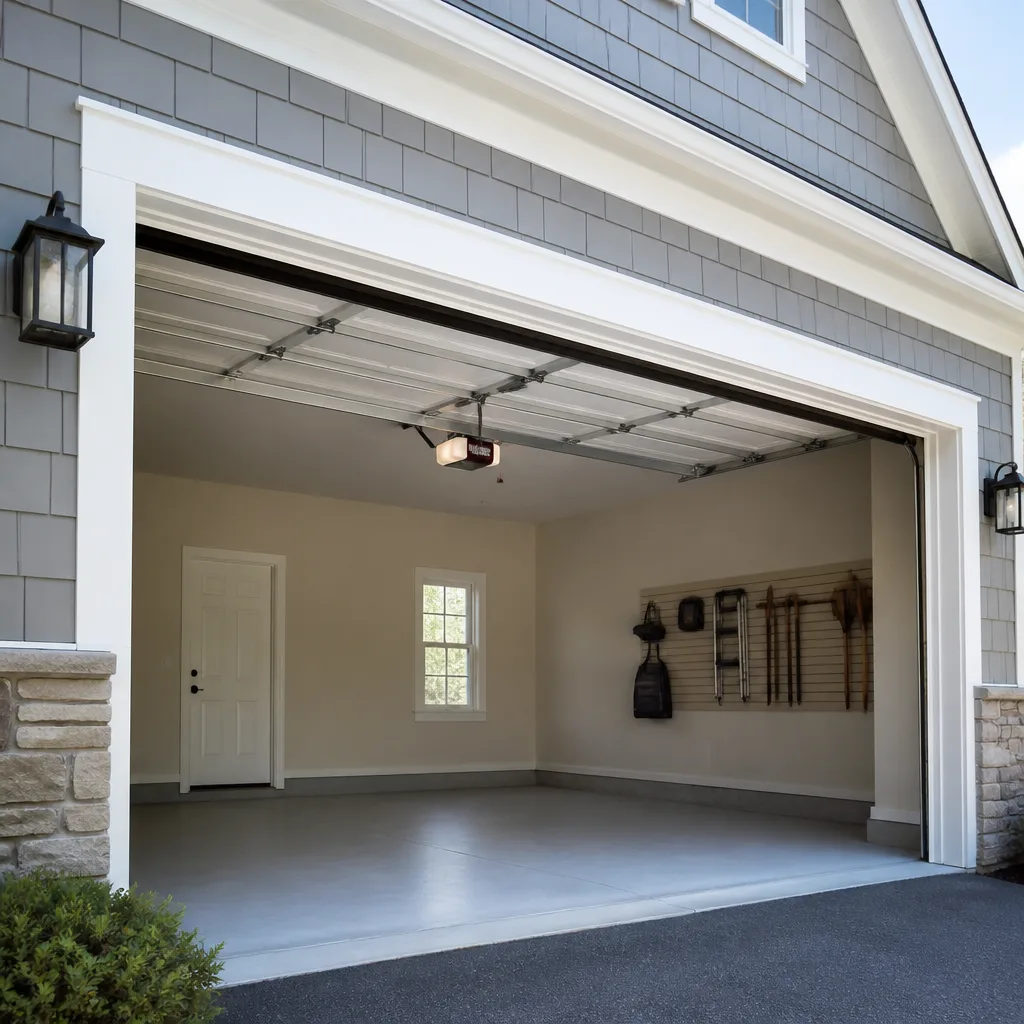 LiftMaster openers
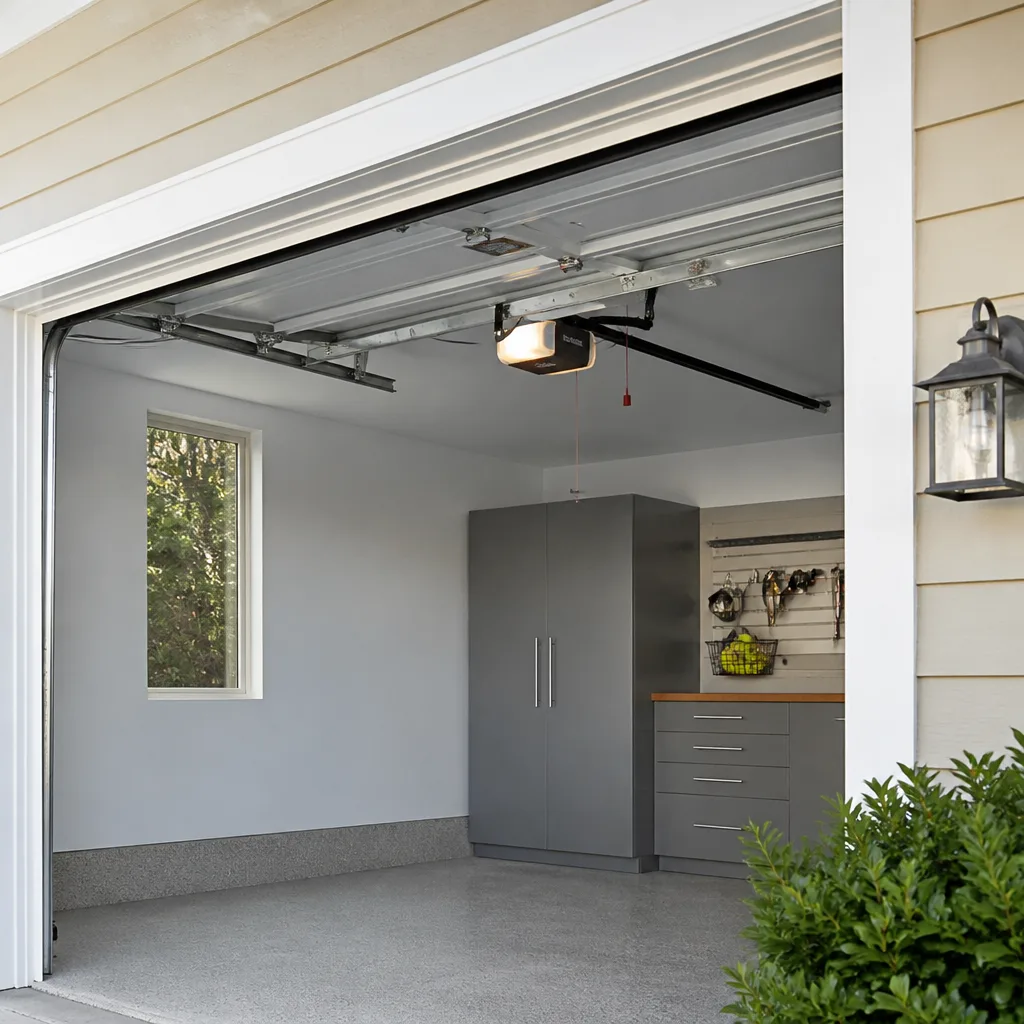 Chamberlain openers
Full 25-point door and opener safety check with every visit - springs, cables, rollers, tracks, and your LiftMaster or Chamberlain opener included
You get a price before we start. It does not change when the pro arrives.
Get your free estimateGarage Door Installation Warning Signs Every Homeowner Should Know
A bad garage door installation doesn’t fail on day one. It fails on day 90, right after the crew that installed it stops answering the phone. We re-hung a door in Sunrise Manor that a cut-rate outfit had put in eight months earlier. The lag bolts holding the track were stripped, the spring tension was set for a lighter door than the one they hung, and the homeowner had no clue. Everything looked fine until it didn’t. This guide teaches you what to check the moment the installer’s van pulls out of your driveway, so you’re never the person left holding that bill.
Quick Answer
The biggest garage door installation warning signs are a door that doesn’t sit flush on the ground, a track that’s visibly out of plumb, a spring that twangs or booms instead of humming, missing or stripped fasteners, and an installer who skips the manual-release demonstration. Any one of those means the job isn’t finished, no matter what the invoice says. Run the checks below before you sign off.
Styles & brands we work with
- Raised-panel steel
- Carriage house
- Modern flush
- Full-view glass
- LiftMaster openers
- Chamberlain openers
Table of Contents
- The 10-Minute Post-Install Walkthrough Checklist
- What That Uneven Gap at the Bottom Seal Actually Means
- The Sound of a Correctly Tensioned Spring (and the One That Means Trouble)
- Why Skipping the Manual Release Demo Is a Red Flag
- Legitimate Settling vs. “Settling” That Covers a Measurement Mistake
- Fasteners, Track, and the Hardware Nobody Inspects
- Sunrise Manor Heat and Wind: What They Do to a New Door
- Common Mistakes to Avoid
- When to Call a Professional
The 10-Minute Post-Install Walkthrough Checklist
This is the part that matters. Before you hand over a check or sign the completion form, walk the door yourself. We’ve done this a few thousand times in Sunrise Manor, and the same handful of shortcuts show up again and again. Ten minutes now saves you a repair bill later. Bring a flashlight and a level if you have one.
- Watch a full open and close. Stand inside and run the door through its whole travel twice. It should move smoothly and quietly, with no jerking, no wobble, and no grinding.
- Check the bottom seal. Close the door and look across the ground line. The rubber should meet the floor evenly. We come back to this below, because it tells you a lot.
- Push on the track. Grab the vertical track on each side and give it a firm shake. It should feel bolted to the wall, not springy. Loose track means the fasteners aren’t biting into solid material.
- Look at the fasteners. Every lag bolt should be tight and fully seated. Stripped or spinning bolts are the number one thing a rushed crew leaves behind.
- Test the balance. Pull the manual release, lift the door halfway, and let go. A properly balanced door stays put. If it crashes down or drifts up on its own, the spring tension is wrong.
- Run the safety reverse. Lay a two-by-four flat under the closing door. The door should hit it and reverse. Same test with your hand near the photo-eye on the opener.
- Listen. One more cycle, ears open. A new door should hum. Rattle, squeal, or a loud bang at the top or bottom is a symptom, not a personality quirk.
- Ask for the manual release demo. And watch it. More on why below.
If anything on that list feels off, say so before you sign. A crew that did the job right will walk it back with you without complaint. For the repair side of this, our page on Garage Door Repair in Sunrise Manor covers what each symptom usually means.
What That Uneven Gap at the Bottom Seal Actually Means
People see a sliver of light under one corner and figure it’s just cosmetic. It isn’t. An uneven gap at the bottom seal tells you the door isn’t sitting level in its opening, and that’s a structural sign. It usually points to one of three things: the rough opening wasn’t measured square, the track was set out of plumb, or the door panels were shimmed wrong to force a fit.
In Sunrise Manor, this matters more than most folks realize. We get dust and wind through that gap, and in summer, cool air leaks out and your electric bill climbs. A gap that’s wide on one side also means the door is riding unevenly on the track, which wears the rollers and puts lopsided strain on the springs.
The bottom seal should meet the floor in a continuous, even line. A small amount of compression is normal. Daylight you can see across the whole width is not. Here’s the test:
- Close the door and stand outside. Look across the bottom for a straight, unbroken shadow line.
- Look at both bottom corners. The gap should be the same on each side, not wider on one.
- Run your hand along the seal with the door down. It should touch the floor the whole way, no easy give in one spot and firm in another.
If one corner is lifted, don’t let anyone tell you to “just bend the track.” That’s a cover-up. A new door should have been measured and hung to sit flush from the start.
The Sound of a Correctly Tensioned Spring (and the One That Means Trouble)
Most people have never heard a right one, so they don’t know what wrong sounds like. Here’s the short version: a properly tensioned spring system is quiet. During operation you hear a soft, even hum from the opener and the gentle roll of the door. No bang. No boom. No metal-on-metal twang.
A spring that’s set wrong announces itself. Listen for these:
- A loud bang at the end of the close cycle. The door is slamming down because the spring isn’t carrying its weight.
- A metallic twang or ping. That’s a spring wound too tight or a cable snapping against the drum.
- A grinding rumble. The opener is straining against a door it was never matched to.
- Complete silence, then a drop. If the opener has to drag the door the whole way, the spring is doing almost nothing.
Lightning strike – style failures on undersized or mis-tensioned springs are exactly what we re-hung on that Sunrise Manor job. The original crew installed a spring set for a lighter door, and the owner had no way to know. The door felt fine. The sound was wrong.
One thing we say all the time: a door is 200 pounds riding on two springs. Respect it. We will not walk you through re-tensioning that spring in your garage, because high-tension springs and cables can injure or kill someone who doesn’t have the tools and training. That’s a job for a professional, full stop. What you can do is listen and call. We count spring cycles the way you count tire miles, and we’ll tell you what’s left on yours.
Why Skipping the Manual Release Demo Is a Red Flag
Here’s the test almost nobody thinks to ask for: “Show me the manual release.” Every garage door opener has an emergency release cord, and the installer is supposed to pull it, show you how to re-engage it, and confirm the door can be opened by hand. If that demo gets skipped, that’s both a safety problem and a sign of how the rest of the job was done.
Why it matters so much: when the power goes out or the opener fails, that cord is the only way you get your car out of the garage. If you don’t know how it works, you’re stuck. Worse, a release that’s been set wrong can let the door slam down unexpectedly.
Watch for these during the demo:
- They pull the cord and lift the door by hand. The door should come up smoothly and stay up.
- They re-engage the carriage. You should see it click back onto the opener’s rail.
- They run the opener. The door should respond right away, confirming the release re-engaged correctly.
A crew that rushes out without doing this probably rushed the rest, too. If that’s what happened to you, our Garage Door Opener Repair & Installation in Sunrise Manor page walks through what a proper install should include.
Legitimate Settling vs. “Settling” That Covers a Measurement Mistake
“It’ll settle” is one of the oldest excuses in this trade. Sometimes it’s true. Often it’s a way to hide the fact that the rough opening was measured wrong.
Here’s the difference. Real settling is small and slow. Over the first month or two, a new door can shift a fraction from temperature changes and the frame finding its resting point. You might see a hair more gap at one corner or hear a new soft click. That’s normal, and a quick adjustment fixes it.
What’s not normal, and what gets called settling to dodge the blame:
- A door that visibly drops or tilts within the first week.
- Panels that scrape the track or the frame on one side.
- A gap that gets dramatically worse, not slightly different.
- A rough opening that turns out to be out of square, so the door was shimmed to fit.
When the opening itself is off-square, no amount of settling fixes it. The door was never going to sit right, and the installer knew it when they hung it. In a Sunrise Manor neighborhood where a lot of these homes went up within the same few building waves, we see rough openings that are a little off more often than folks would guess. A good installer measures the opening and tells you before hanging anything. If yours skipped that, that’s the warning sign.
Fasteners, Track, and the Hardware Nobody Inspects
The pretty part of a new door is the door. The part that keeps it hanging is the hardware, and it’s the part nobody looks at. We’ve seen installs where the track looked dead straight but two lag bolts per side were stripped, holding on by friction. That door runs fine for a few months, then one day the track slips and the whole thing jumps.
Do this inspection yourself, quickly:
- Count the fasteners. There should be a proper set of lag bolts into the wall headers and the jamb, not a couple of screws and hope. Ask yourself whether each one is biting solid material.
- Try to spin each bolt. A stripped lag bolt turns easily without tightening. That’s your warning sign.
- Sight down the track. Crouch at one end and look along the rail. It should run plumb and parallel to the door edge. A bow means the door will bind.
- Check the rollers. On a quality install, rollers sit evenly in the track with no tilting. Cheap or worn rollers tilt and chew the track.
- Ask about brand and model. If the crew is fluent in LiftMaster, Chamberlain, Craftsmand and Raynor the way we are, they’ll tell you exactly what’s on your door and why they chose it. A blank stare is a warning sign on its own.
For a full picture of what a proper install includes, see our Garage Door Installation in Sunrise Manor page. Good hardware isn’t an upsell. It’s the whole job.
Sunrise Manor Heat and Wind: What They Do to a New Door
Sunrise Manor isn’t a gentle environment for a garage door. Summer highs push past 110, and the desert wind carries grit that works its way into every moving part. That combination punishes a sloppy install faster than a mild climate ever would.
Heat expands the metal tracks and panels a little each afternoon. On a door that was hung tight with no room for expansion, that shows up as binding or squealing by mid-summer. The rubber bottom seal dries and cracks faster here, which makes any uneven gap worse within a season. Dust gets into the rollers and track, so lubrication matters more than it does back east.
When you walk your install, ask the crew how they’ve accounted for the heat. A good answer mentions leaving proper clearance, choosing a seal that holds up to sun, and lubing the right spots. A shrug is a warning. This is exactly the kind of local knowledge that separates a Sunrise Manor job from a generic one. Our Otto’s Garage Door Sunrise Manor home page has more on how we approach it.
Common Mistakes to Avoid
- Signing off before watching a full open and close. Two full cycles, ears open. If you didn’t watch it move, you didn’t inspect it.
- Treating the bottom gap as cosmetic. That sliver of light is often the first sign the opening was measured wrong, and it leaks your cool air all summer.
- Never hearing a correctly tuned spring. Know the sound before you buy. A boom or twang on day one means the tension was set for a different door.
- Letting the crew leave without the manual release demo. That cord is your only way out when the power dies, and skipping it says plenty about the rest of the job.
- Accepting “it’ll settle” for a door that drops in a week. Real settling is slight. A door that tilts fast was hung on a bad opening.
- Not checking the fasteners. Stripped lag bolts hide behind a pretty door. Give every one a spin and see if it bites.
- Paying full price with no written warranty. If there’s no paper that says what happens when something fails, there’s no guarantee. A handshake is worth plenty, but only when the person who shook it answers the phone.
When to Call a Professional
Some of this you can check yourself: watch the cycles, feel the gap, listen to the springs, spin the bolts. Where it becomes a professional’s job is the moment something is actually wrong. Uneven track, a stripped bolt into a soft header, a spring set wrong, a door that won’t balance, an opener straining because the door is dragging it down. Those aren’t DIY fixes. High-tension springs and cables will hurt you, and a mis-set door is 200 pounds that can come off its track without warning.
If you’ve run this checklist and something feels off, get a second set of eyes before you spend money fixing a bad install. Otto’s Garage Door Sunrise Manor offers free estimates in Sunrise Manor, and a free second opinion on any written estimate you’ve already got. Call (888) 274-8795. We’ll walk the door with you, tell you straight what’s wrong, and quote you before we touch a thing.
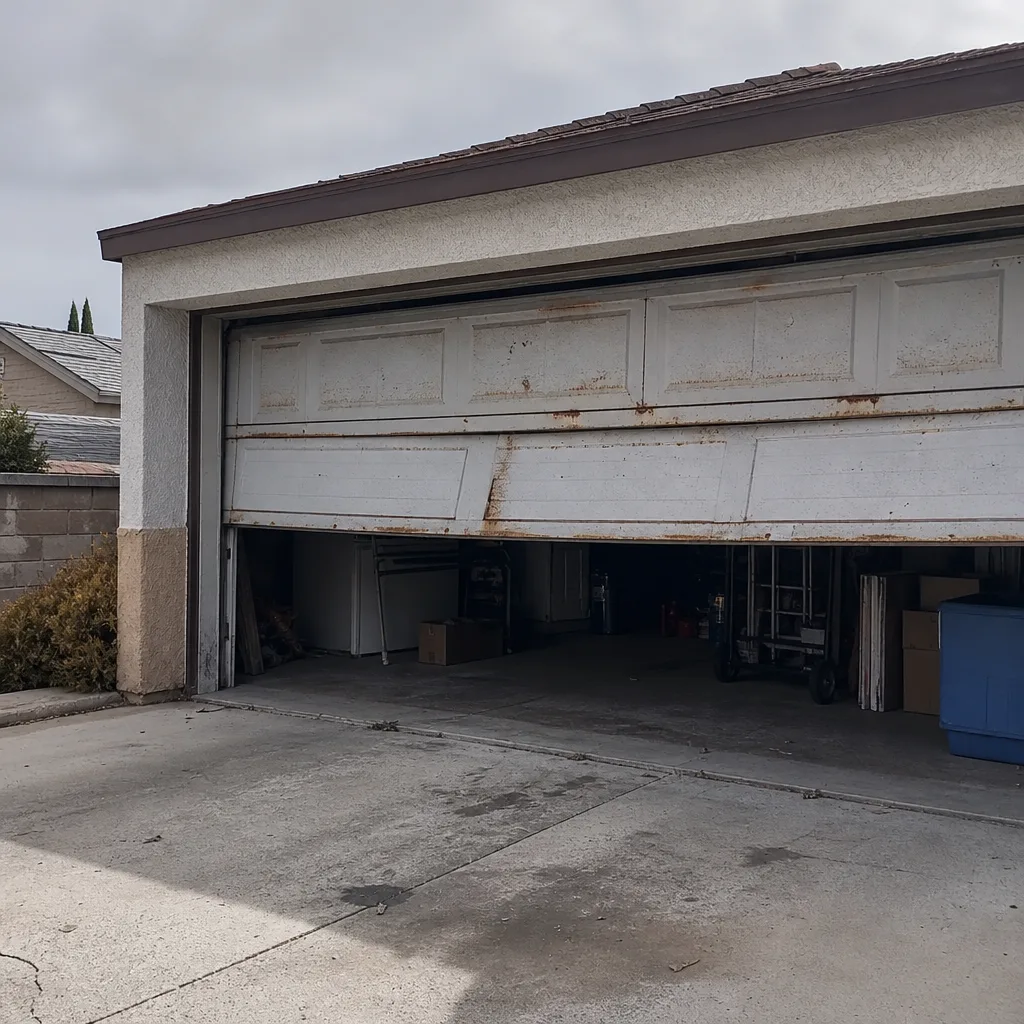
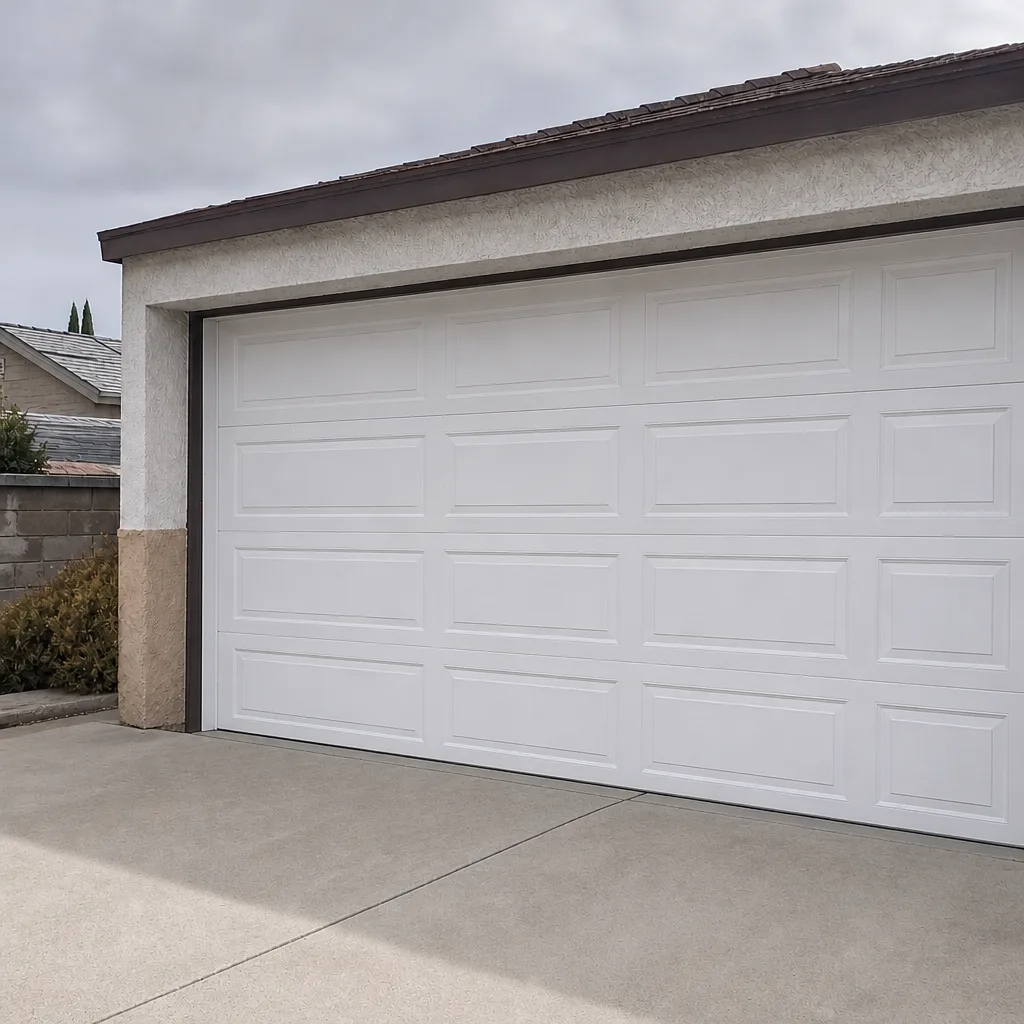
See the difference
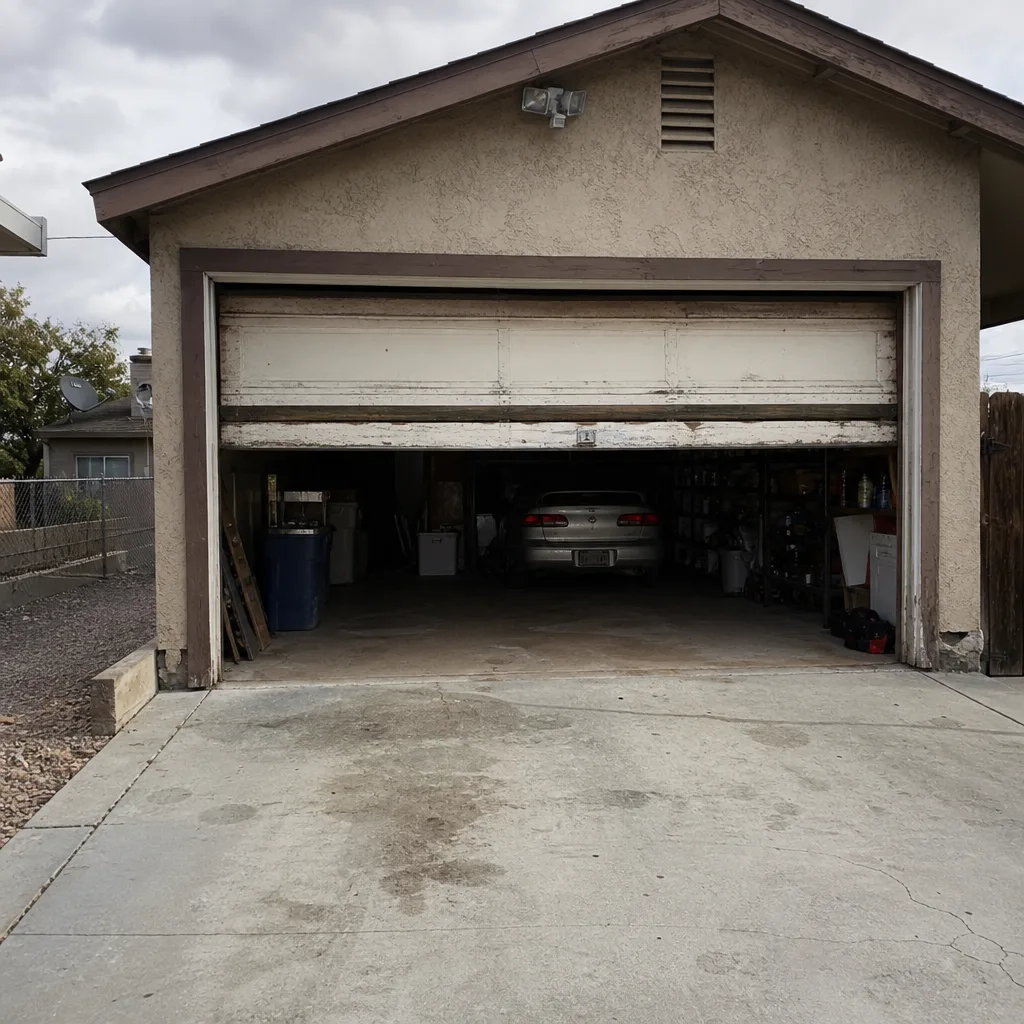 Before
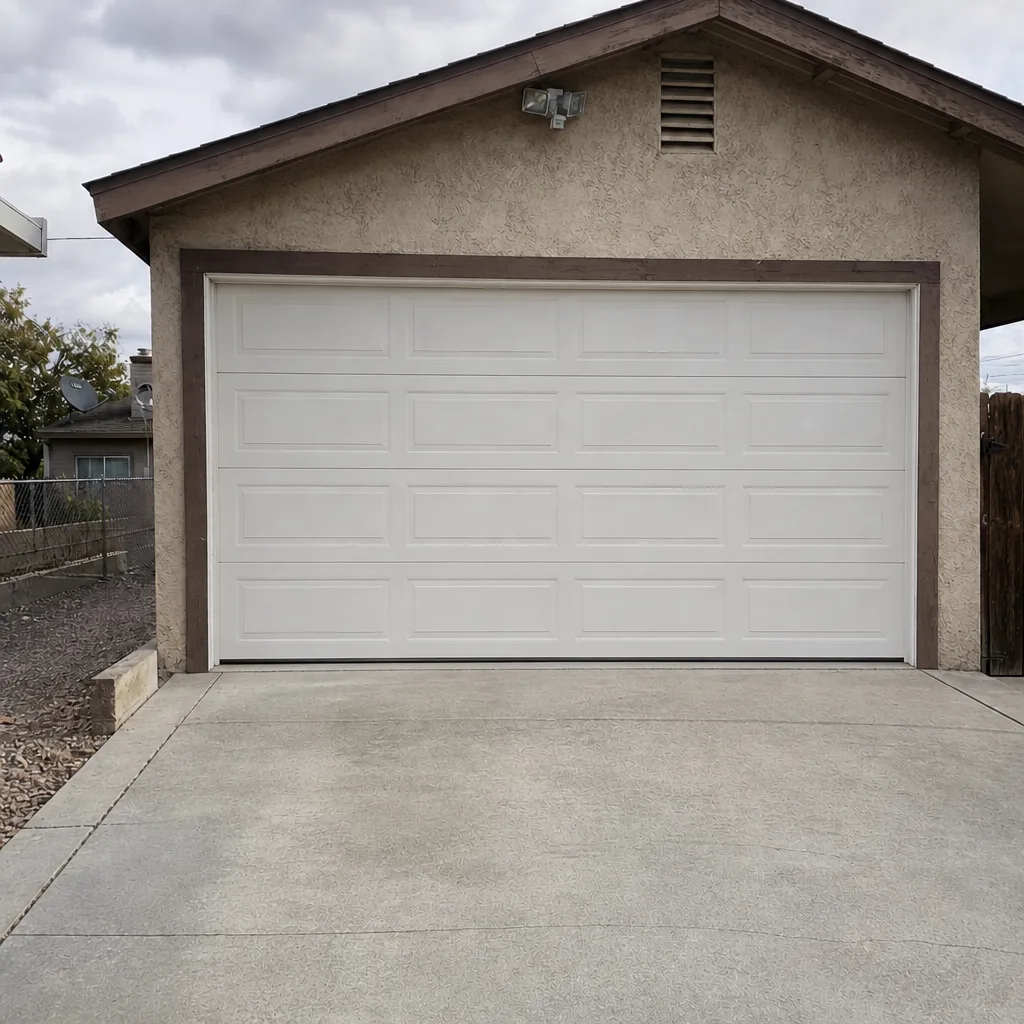 After
 Before
 After
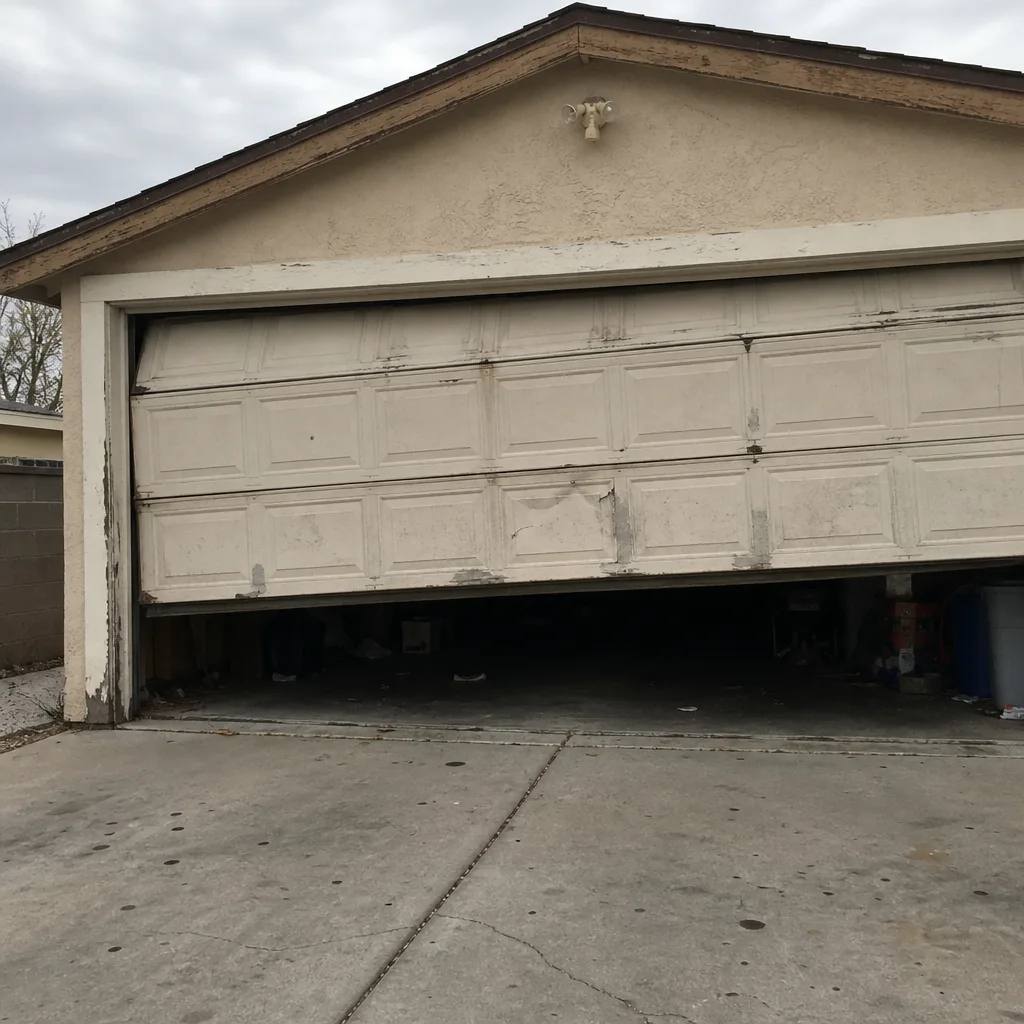 Before
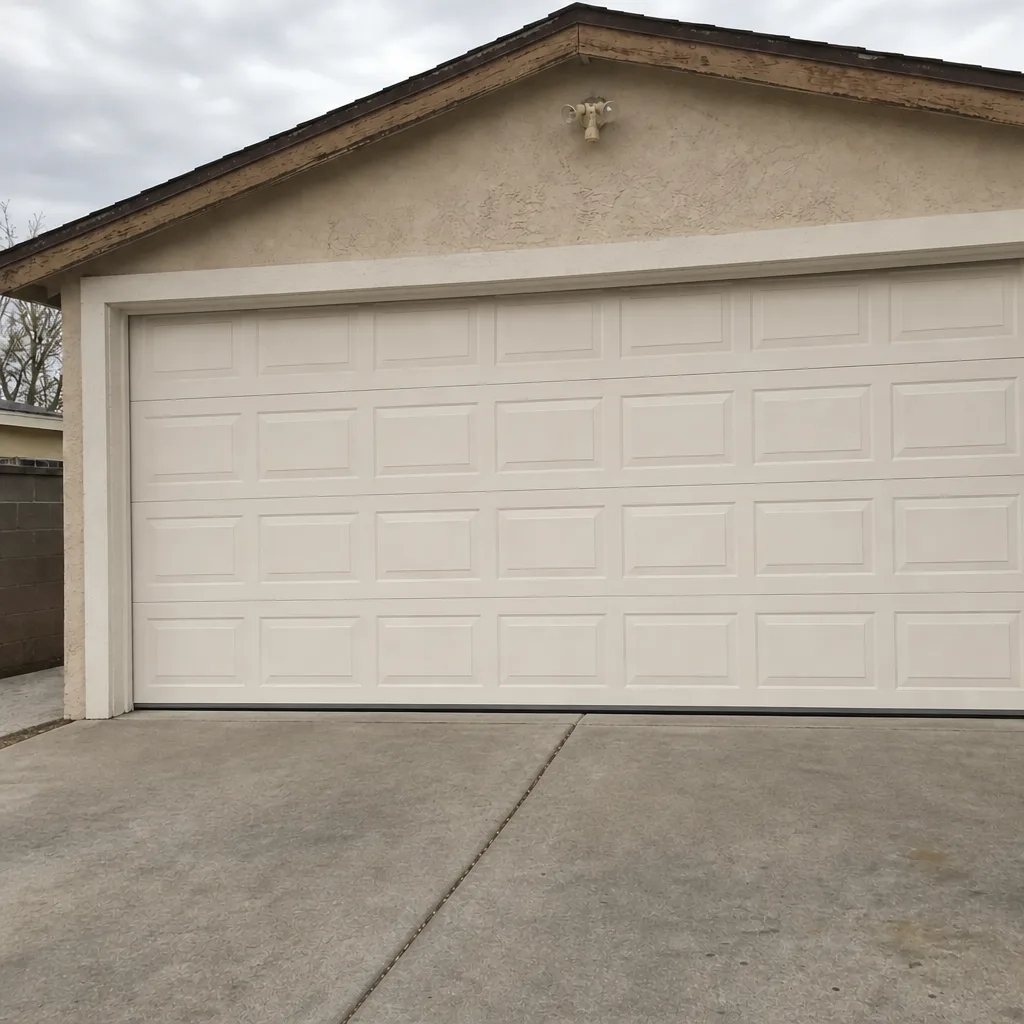 After
Frequently Asked Questions
You can spot most problems on day one if you run the walkthrough: a rough cycle, an uneven bottom gap, a slam or twang from the springs, loose or stripped fasteners. The slow-failure signs, like track slipping after weeks of heat expansion, show up within the first month or two. Inspect on day one and again after a month, and you’ll catch nearly everything.
An uneven gap almost always means the door isn’t sitting level in its opening, usually because the rough opening was measured out of square or the track was set off-plumb. It isn’t just cosmetic: it lets heat, dust, and wind in, and it strains the rollers and springs unevenly. Have it looked at rather than bending the track to fake a fix.
No. A correctly installed door with properly tensioned springs runs quietly. A loud bang, a twang, or a grinding rumble means the spring tension is wrong or the opener is dragging a door it should be balancing. That noise is a symptom, not a break-in quirk. Call (888) 274-8795 for an exact quote, and estimates are free.
Yes, and you should be the one to walk it, not just glance at it. The walkthrough and the manual-release demo both need you there watching. If you can’t be home, reschedule the completion to a time you can. Signing off on a door you never saw operate is how people end up stuck paying to fix a bad install.
Ask for the manual-release demo, ask what brand and model was installed, ask how they accounted for the Sunrise Manor heat, and ask for the written warranty on paper. Then run the walkthrough yourself before you sign. A crew that did the work right will answer all of it without flinching.
You can check for problems yourself, and you should. Re-tensioning springs, realigning a track, or re-hanging a door is a different matter. A door is 200 pounds riding on two springs, and high-tension springs and cables can cause serious injury. Leave that to a trained professional, and get a written quote before any work starts.
The Bottom Line
A garage door install is judged in the first ten minutes, not the first ten months. The problems that get dodged on day 90 were visible on day one if you knew where to look: a gap under the seal, a spring that booms, track that moves when you push it, bolts that spin, a manual release nobody showed you. Run the walkthrough before you sign, and don’t accept “it’ll settle” for a door that’s already dropping. Get the warranty in writing, get the quote before work starts, and make sure the person you call answers the phone when something goes wrong. That’s the whole game.
If you’ve got a new door that isn’t sitting right, or you’re ready to get one installed the right way, call Otto’s Garage Door Sunrise Manor at (888) 274-8795 for a free estimate. We answer around the clock, we quote before we arrive, and we hold that number when we get there. A bad install is expensive. A good one, backed in writing, isn’t.
Written by the team at Otto’s Garage Door Sunrise Manor.