
Last updated November 17, 2026
 Raised-panel steel
 Carriage house
 Modern flush
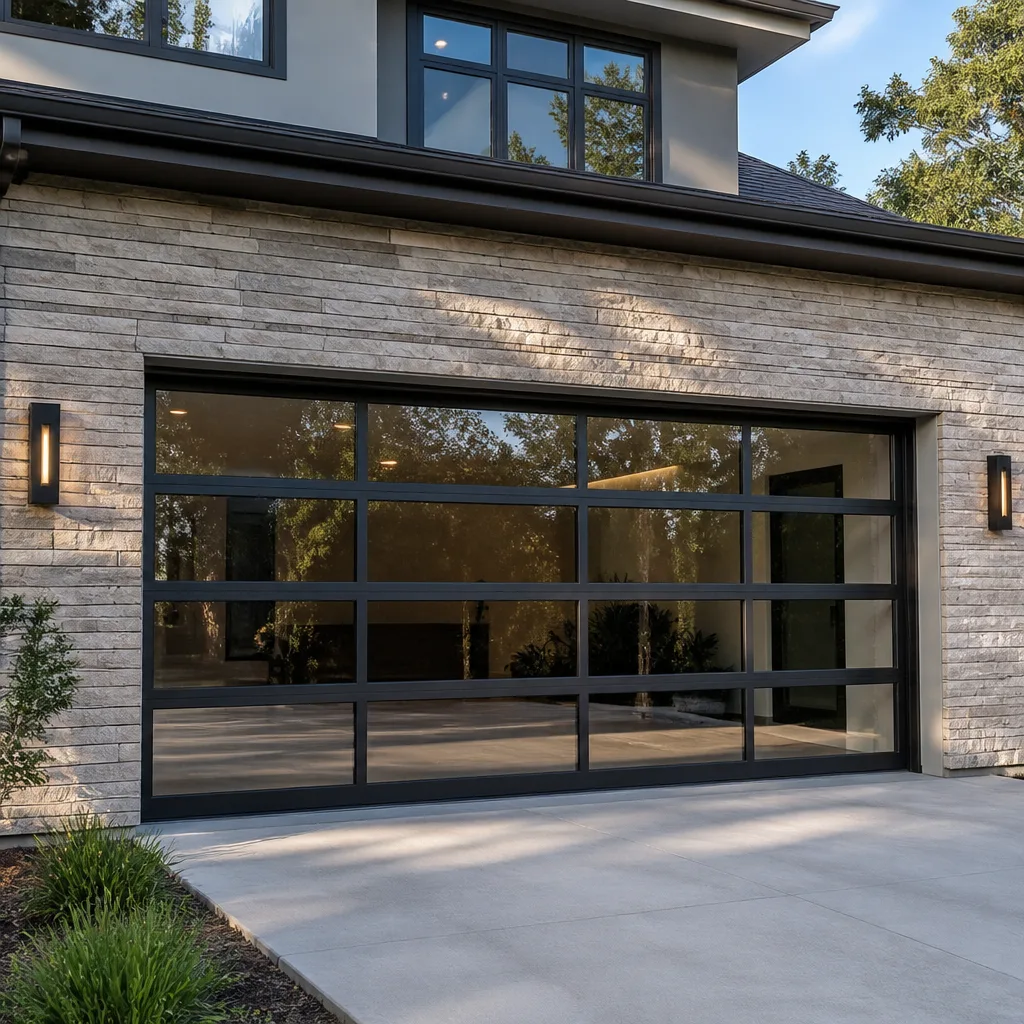 Full-view glass
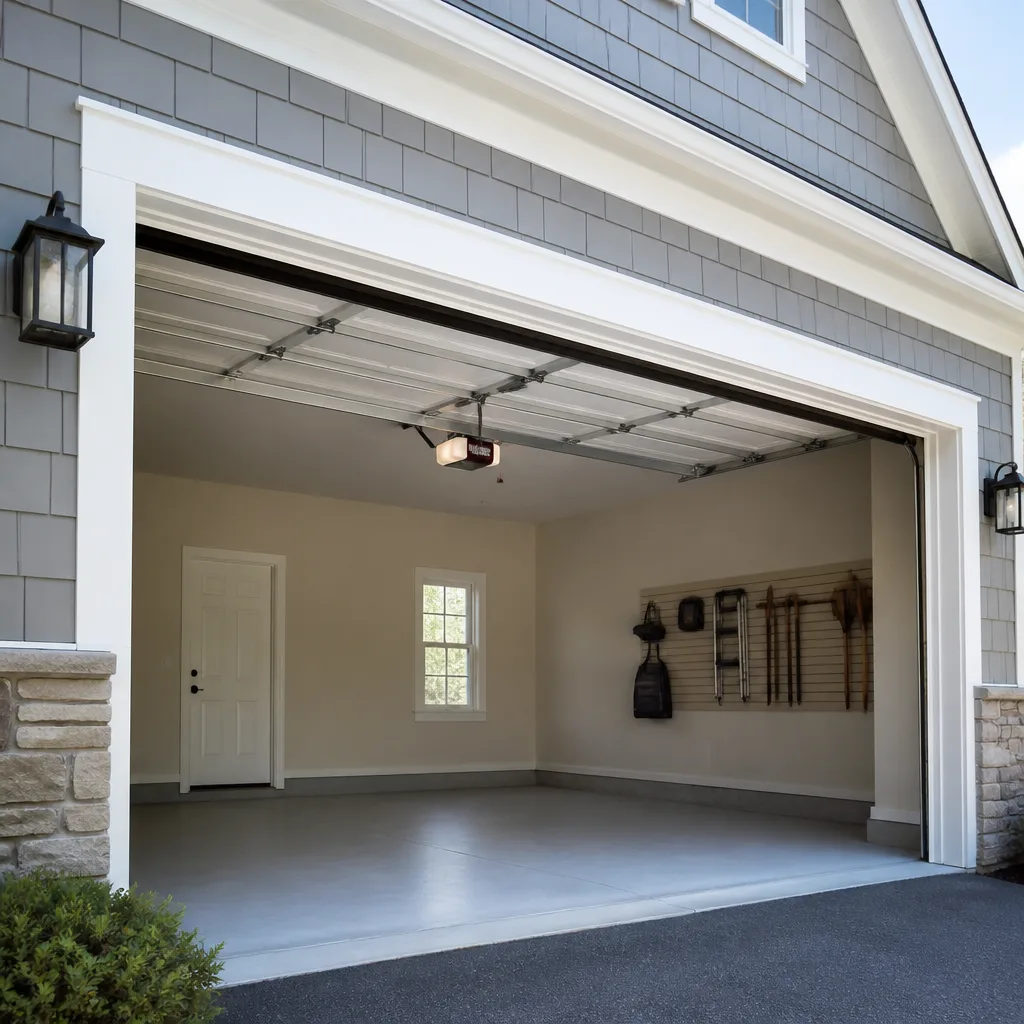 LiftMaster openers
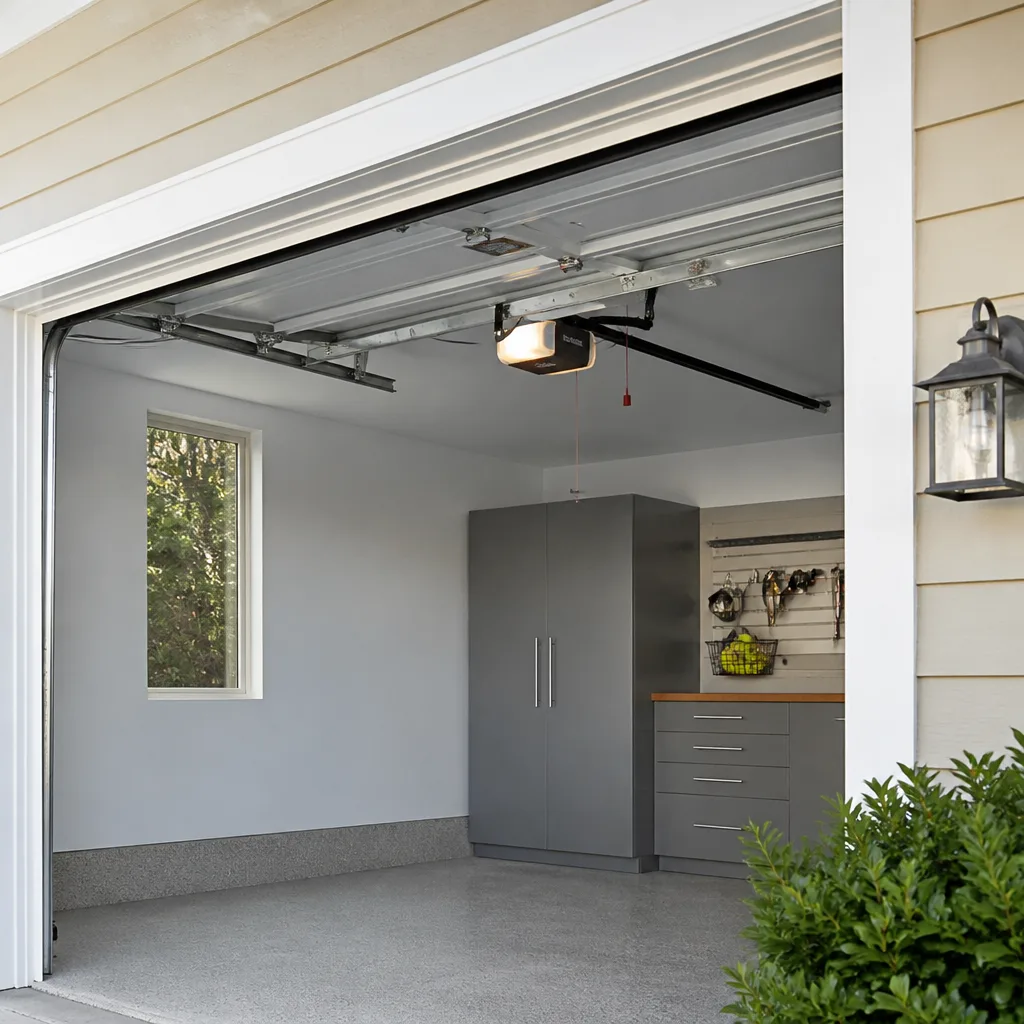 Chamberlain openers
Full 25-point door and opener safety check with every visit - springs, cables, rollers, tracks, and your LiftMaster or Chamberlain opener included
You get a price before we start. It does not change when the pro arrives.
Get your free estimateGarage Door Parts Warning Signs Every Homeowner Should Know
The door that opens “just a little slow” on a cold morning is the door that drops on a hot afternoon in August. The slowness was the warning. Most garage doors don’t fail out of nowhere – they telegraph the failure for weeks through sounds, hesitation, and small misalignments that homeowners learn to tune out because the door still opens. We’ve seen this pattern play out across Sunrise Manor more times than we can count: a homeowner calls about a door that “works fine,” and by the time we arrive, a frayed cable is two strands from snapping. This guide walks through the specific warning signs, what each one actually means, and which ones are a same-week repair versus an emergency. Read it once and you’ll know your door better than the person who installed it.
Quick Answer
The most common garage door parts warning signs are a door that opens slowly or unevenly, grinding or squealing sounds from the tracks and rollers, a door that reverses on its own before touching the floor, and visible fraying or sagging on the cables and springs. Any one of these means a part is wearing out and should be inspected by a trained technician. Ignoring them is what turns a $200 repair into a $900 one, especially in a desert climate like Sunrise Manor where dust and heat accelerate wear on cables, springs, and seals.
Styles & brands we work with
- Raised-panel steel
- Carriage house
- Modern flush
- Full-view glass
- LiftMaster openers
- Chamberlain openers
Table of Contents
- The Sound Profile: Fraying Cable vs. Bad Roller vs. Losing Spring
- Why an Uneven Door Is a Same-Week Repair, Not a “Keep an Eye On It”
- What a Door That Reverses for No Reason Is Telling You
- Visual Checks You Can Do From the Floor (Without Touching Anything)
- The Sunrise Manor Warning Sign: Dust in the Track
- How Desert Heat Wears Parts Faster Than Anywhere Else
- A Simple Maintenance Schedule for Sunrise Manor Homeowners
- Common Mistakes to Avoid
The Sound Profile: Fraying Cable vs. Bad Roller vs. Losing Spring
Here’s the part nobody tells you: a failing door doesn’t sound “broken.” It sounds slightly off. And each failing part has its own specific noise that a trained ear can separate from the rest. This is the single most useful diagnostic skill in the garage door trade, and it’s something you can learn yourself.
Start by standing in the garage and listening to a full open-and-close cycle. Then match what you hear:
- Fraying cable: a metallic, tinny clicking or “snapping” sound, usually near one of the bottom corners of the door, repeating rhythmically as the door moves. It’s the individual wire strands breaking one at a time and slapping against the drum. This is the most urgent of the bunch – a cable that’s fraying is a cable that’s about to let go, and a loose cable under load is a serious hazard.
- Bad roller: a high-pitched squeal or a grinding growl that changes with speed. It tends to be constant in pitch during the whole travel. Rollers are the cheapest part on the door and the easiest to replace, but a seized roller will chew up the track if you wait.
- Losing spring tension: a loud “bang” when the door first starts up, or a door that opens with a struggle and slows noticeably as it rises. On a torsion spring, you’ll often hear a low groan or thunk that wasn’t there last year. On extension springs, a sagging, slack look above the door is the giveaway.
If you hear more than one of these at once, the door is telling you the problem has been building for a while. In our experience working throughout Sunrise Manor, the clicking cable combined with a slow open is the pattern homeowners most often miss, and it’s also the one that most often precedes a call on a hot afternoon in July. Garage door repair in Sunrise Manor is faster and cheaper when you catch these sounds early. If you’re not sure what you’re hearing, call a trained technician – describing the sound over the phone gives us a real head start.
Why an Uneven Door Is a Same-Week Repair, Not a “Keep an Eye On It”
An uneven door – one side visibly lower than the other, or the bottom panel sitting at an angle to the floor – is the single most ignored warning sign we see. Homeowners notice it, decide the door still works, and let it ride for months. That’s a mistake, and here’s why.
An uneven door almost always means one of two things: a stretched or broken spring on one side, or a cable that’s slipped on its drum. In both cases, the weight of the door is being carried unevenly. That means the good side is doing double work. Every time the door opens, the healthy spring and cable are overloaded. Eventually they fail too, and now you’re looking at a full spring or cable replacement instead of a single part.
There’s a second reason to treat this as a same-week job: an uneven door twists the tracks as it travels. Over time, a twisted track drags, the rollers bind, and the whole door gets harder to operate. What started as a $150 repair becomes a track replacement, roller set, and a spring job. In Sunrise Manor, where doors run two or three times a day in the summer, that wear happens faster than you’d expect.
Here’s how to notice it yourself:
- Open the door and stand to one side. Look at the gap between the bottom of the door and the floor. Is it the same on both sides?
- Close the door slowly and watch the horizontal line where the panels meet. If that line isn’t level to the floor, the door is out of balance.
- Pull the manual release (the red cord) and lift the door halfway by hand. If it feels much heavier on one side, you have your answer. Let it back down slowly.
Never try to lift a door that’s already visibly uneven without releasing it first, and never work on the springs or cables yourself – a door is 200 pounds riding on two springs, and those parts hold real stored energy. They should only be handled by a trained technician. If your door is uneven, call us and we’ll get eyes on it before the good side gives out too. New door installation in Sunrise Manor is also an option if the door is already past its useful life, but an uneven door on a decent door is almost always fixable.
What a Door That Reverses for No Reason Is Telling You
You hit the button, the door goes down a foot or two, then reverses and goes back up. No one’s under it. Nothing’s in the way. What’s happening? The door’s safety system is doing its job – and it’s telling you something is wrong with the door itself.
Modern openers like LiftMaster and Chamberlain have a built-in safety reverse: if the door meets resistance on the way down, it stops and goes back up. That’s the self-protection kicking in. When a door reverses with nothing in its path, one of three things is usually happening:
- Spring tension is off: the door is heavier going down than the opener expects, so the opener reads it as an obstruction and reverses. This is the most common cause.
- Track is out of alignment: a slightly bent track, or a track with a roller that’s jumped out of it, causes a bind. The opener feels the bind and reverses.
- The safety sensors are misaligned or dirty: the two small photo-eye sensors near the bottom of the track on each side. If they’re dusty, knocked out of line, or one has a dead LED, the door will refuse to close or reverse repeatedly. In Sunrise Manor, dust is the frequent culprit – a quick wipe of the sensor lens solves a lot of “ghost reverse” calls.
Before you assume it’s the sensors, though, notice when the reversal happens. If it’s mid-travel, it’s usually tension or the track. If it never even moves down a full foot, check the sensors first. And if you’ve already tried the sensors and the door still reverses, don’t keep resetting it and hoping – that’s the door asking for an inspection. Opener repair and installation in Sunrise Manor happens quickly once we know which part the door is complaining about. On a Craftsman or a Raynor unit, the diagnostic procedure is the same – the opener isn’t usually the problem, and replacing a perfectly good opener won’t fix a door that’s binding or out of balance. If the opener is straining, the problem is almost never the opener.
Visual Checks You Can Do From the Floor (Without Touching Anything)
You don’t need to climb a ladder or put a wrench on anything to spot most failing parts. A careful look from the floor, done once a month, catches the majority of early failures. Here’s the full checklist. Stand back and look, but keep your hands off the springs and cables – those are not homeowner territory.
- Look at the cables along the bottom corners of the door and up to the drums. The cable should be smooth and uniform. Any fraying, kinking, or stray strands sticking out is a failing cable. That’s a stop-and-call situation.
- Look at the springs above the door. If you have a torsion spring (the coil running horizontally above the center), check that it isn’t stretched, isn’t showing rust-colored cracks, and isn’t sagging in the middle. Extension springs (the two above the tracks) should look even on both sides, with no gaps or sagging.
- Look at the track. It should be straight and parallel to the door edge the whole way down. Any bend, dent, or roller out of the channel is a warning sign.
- Look at the bottom seal. A cracked, missing, or flattened rubber seal lets in dirt, water, and pests. It also forces the door to close harder, which stresses the opener.
- Look at the hinges. Loose, bent, or rusted hinges make the door sag and drag. A missing screw in a hinge is an easy catch.
None of these checks requires touching the moving parts. If you see a problem on the list, don’t try to fix it yourself – call a trained technician. The idea is to know what’s going on with your door so you can describe it clearly. For a full-service picture of what we handle, see our Sunrise Manor home page, and for repair specifics, the garage door repair page has the details on each of these parts.
The Sunrise Manor Warning Sign: Dust in the Track
Here’s one that’s specific to this part of the valley. If you live in Sunrise Manor, and especially on the east side of the valley where the wind picks up fine desert dust, watch your track. Excessive dust accumulation inside the track channel – more than you’d get from a normal week of open and close – is a leading indicator of seal failure.
A worn bottom seal lets the fine dust blow in through the gap between the door and the floor. The dust works its way up the tracks, mixes with the grease on the rollers, and forms a gritty paste that grinds the rollers and the track. Homeowners see the dust and assume it’s cosmetic dirt. It’s not. It’s the door telling you the seal has failed and the rollers are being slowly sanded down. By the time the door starts squealing, the damage is already done.
The fix is straightforward: replace the bottom seal, clean the tracks, and relubricate the moving parts. That’s a same-week job, not an emergency. But if you let it ride for a whole summer, you’ll be replacing rollers and possibly the track too. In our experience, Sunrise Manor homeowners who clean their tracks and replace the bottom seal every year or two spend far less on repairs than the ones who wait until they hear the squeal.
How Desert Heat Wears Parts Faster Than Anywhere Else
Garage door parts in the valley live in a harsher environment than almost anywhere else. Summer temperatures routinely top 110 degrees, and the inside of an attached garage can run hotter than the outside air. That heat has specific effects on specific parts.
- Springs: metal fatigues faster in sustained heat. A torsion spring that might last 10 years in a mild climate can weaken noticeably sooner here. If your door feels heavier than it did two summers ago, the springs are telling you something.
- Cables: the grease on the cable drums thins in high heat, so the cables run drier and rub against the drums. That’s the origin of many of the fraying cables we see in Sunrise Manor.
- Bottom seals and rubber parts: rubber gets hard and cracks in the heat. That’s what sets up the dust problem above.
- Lubrication: grease and lubricant dry out faster in the desert. Parts that would stay lubricated for a year in a moderate climate need attention sooner here.
Add in the UV exposure – the strong desert sun bakes any door that faces west or south – and you’ve got an environment that punishes parts. The practical takeaway isn’t dramatic: check your door more often, address the small stuff early, and expect to replace wear parts sooner than a homeowner in a milder climate would. That’s just how it goes here.
A Simple Maintenance Schedule for Sunrise Manor Homeowners
You don’t need to be mechanical to keep a door healthy. A once-a-month visual check, done from the floor, plus an annual service is enough to keep most doors out of trouble. Here’s a schedule that works for our climate.
- Every month: do the visual check from the floor. Look at cables, springs, track, hinges, and bottom seal. Listen for the sounds above during a full cycle.
- Every three months: clean the tracks with a dry rag. Wipe the photo-eye sensor lenses. Check that the safety reverse works by placing a roll of paper towels under the door and confirming it reverses when it touches them.
- Every year (spring): have a technician service the door. Balance check, lubrication, cable and spring inspection, a proper adjustment of the opener’s force and travel limits.
- Every two years, or sooner if you see dust buildup: replace the bottom seal, clean and relubricate the moving parts.
That’s it. Do those four things and you’ll catch most failures before they become expensive. If you ever want a second opinion on a written estimate, we offer a free second opinion on any garage door estimate, no catch.
Common Mistakes to Avoid
Most of the expensive garage door problems we see in Sunrise Manor come down to a handful of repeated mistakes. Here are the ones to watch for.
- Ignoring a slow or uneven door because it still opens. A door that works today can fail next week. The warning is the slow open, the uneven line, the new noise. Act on it.
- Assuming the opener is at fault. A straining opener is usually a symptom, not the disease. Replacing a good opener won’t fix a binding door or a stretched spring.
- Lubricating the cables and springs. Those parts don’t need it, and a greasy cable collects dust. Keep lubricant on the rollers, hinges, and track (sparingly) and leave the tension parts alone.
- Cleaning the tracks with a wet or oily rag. That just attracts dust. Dry rag, done.
- Adjusting the springs yourself. A door is 200 pounds riding on two springs. Spring adjustments store enormous energy in the metal, and getting it wrong can cause serious injury. This is not a DIY job, ever.
- Letting the bottom seal go because it’s “just a rubber strip.” In Sunrise Manor’s dust, a failed seal is what feeds the track and roller wear. It’s a cheap part with an outsized effect.
- Calling a national chain that quotes one price on the phone and charges another at the door. Ask for a written price and a name you can verify. We quote upfront and the number doesn’t change between the phone and the driveway.
See the difference
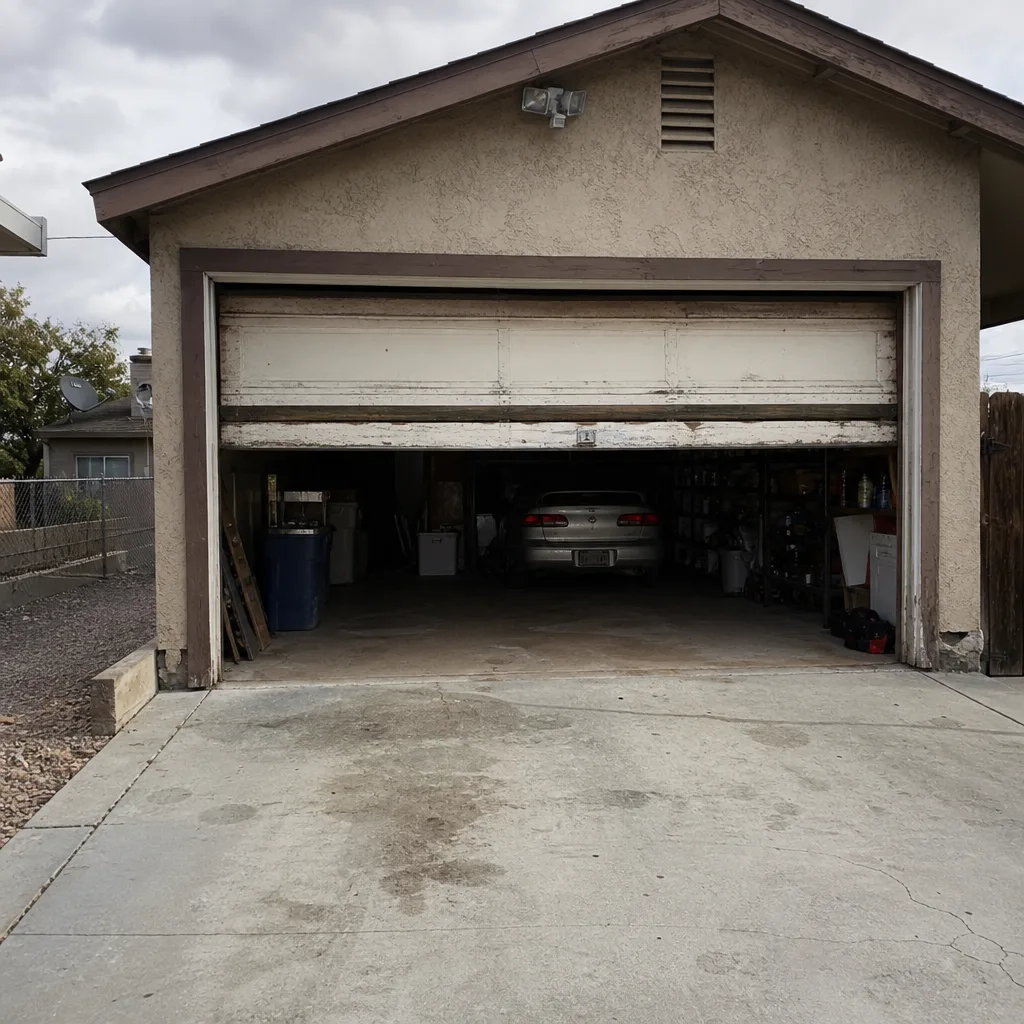 Before
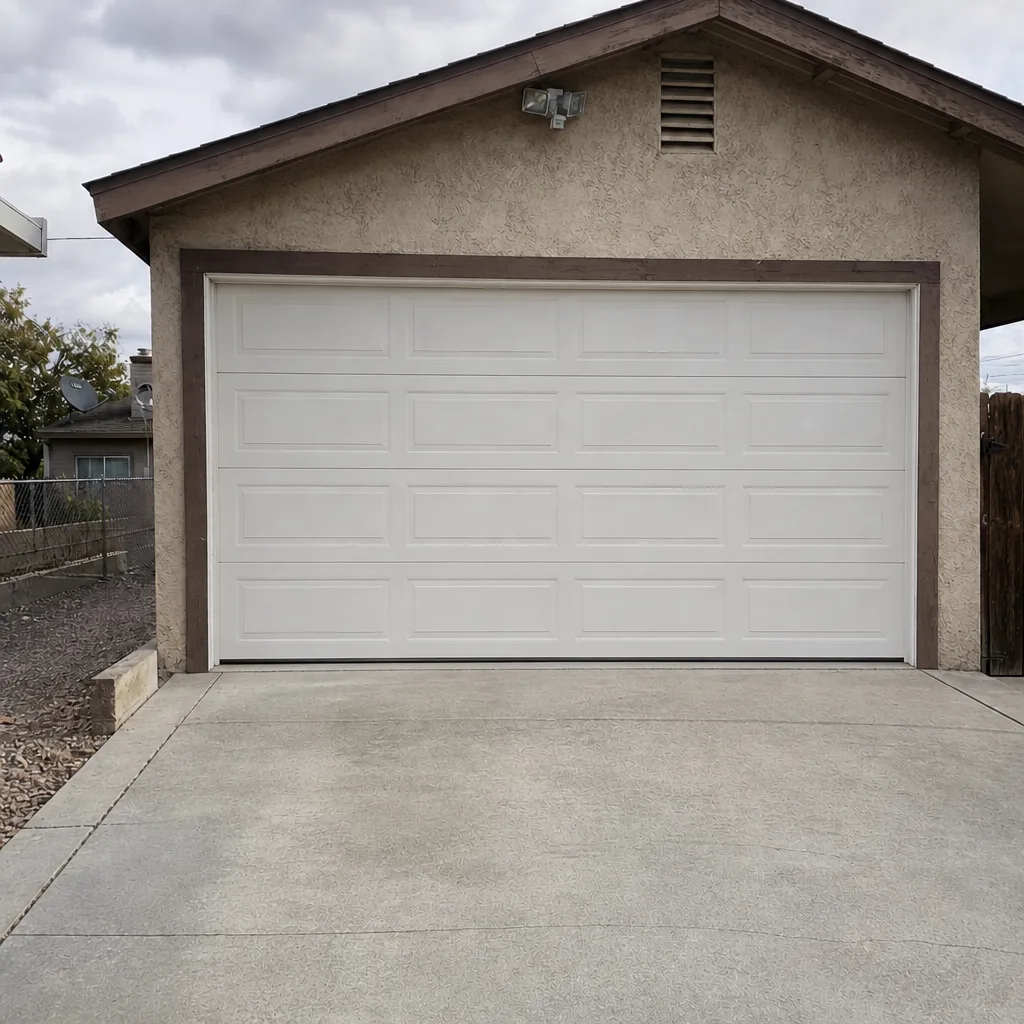 After
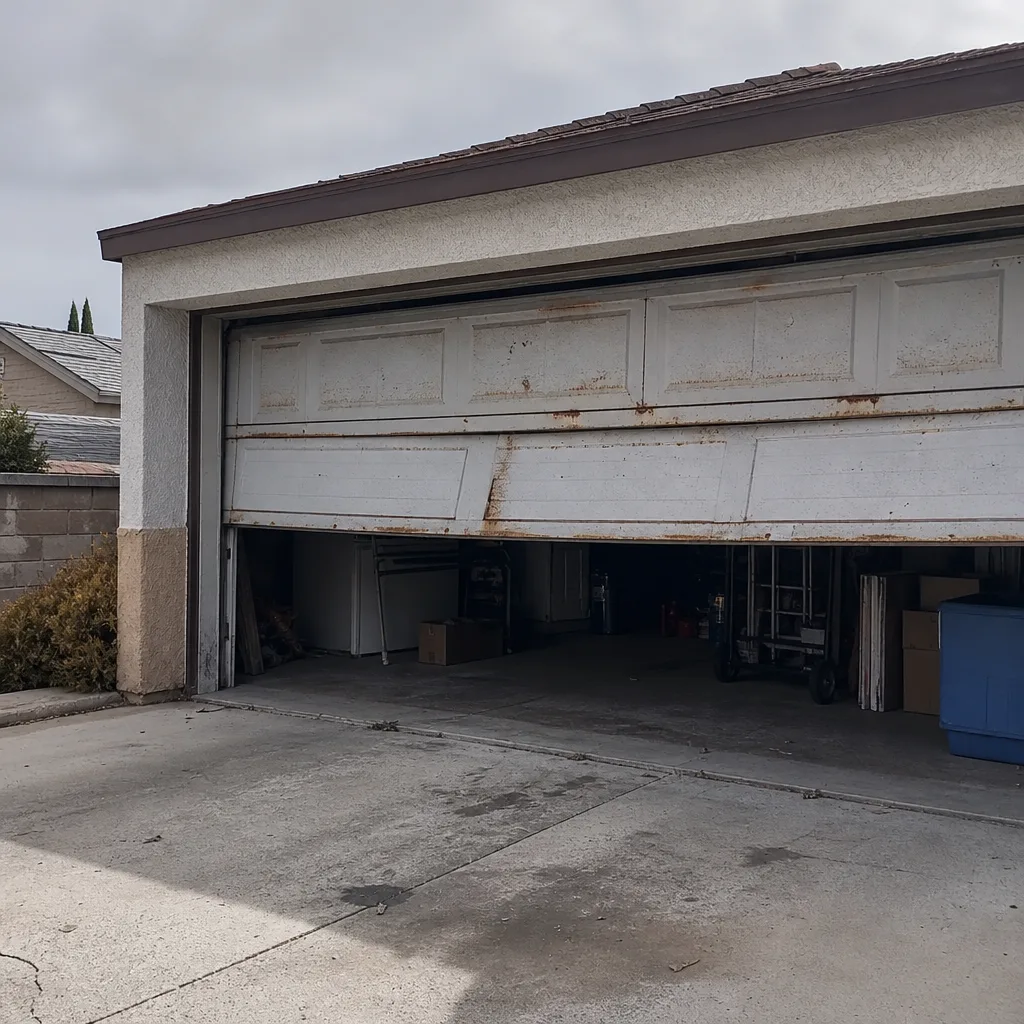 Before
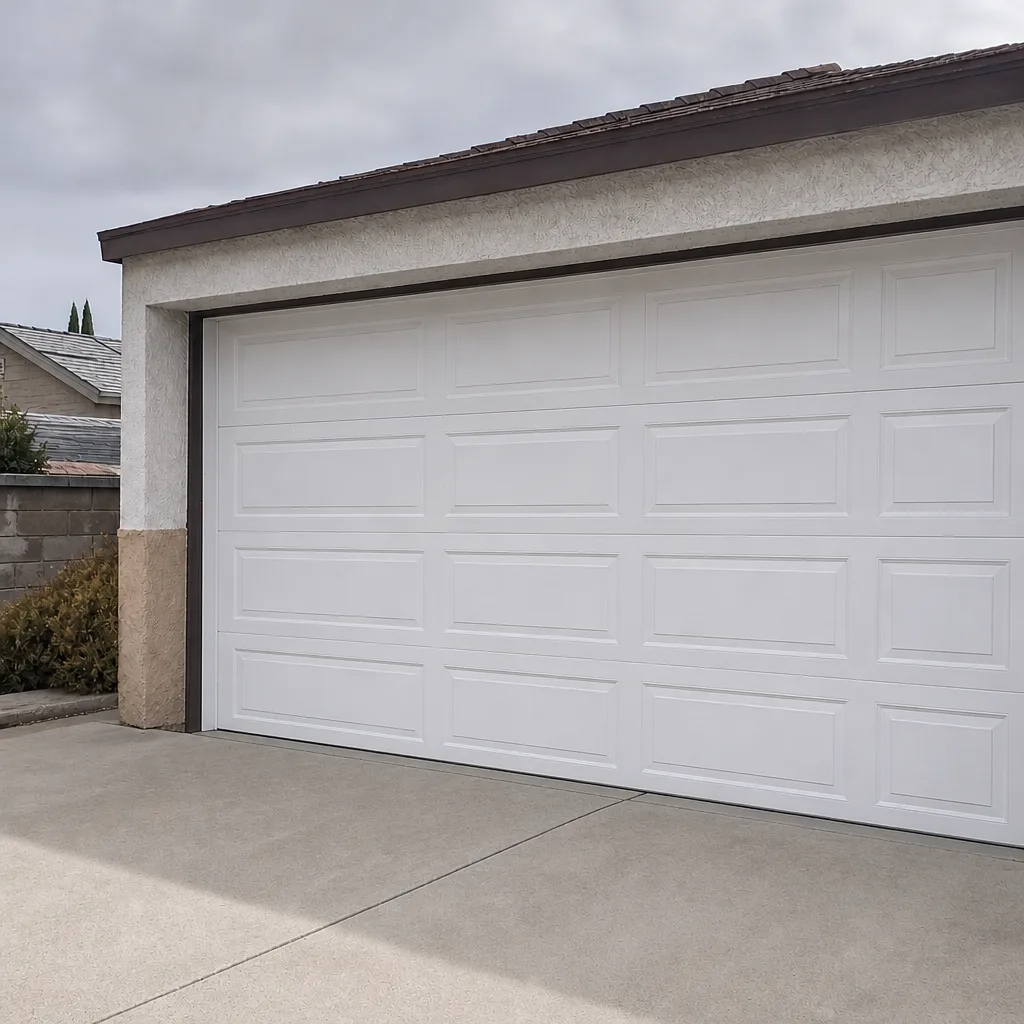 After
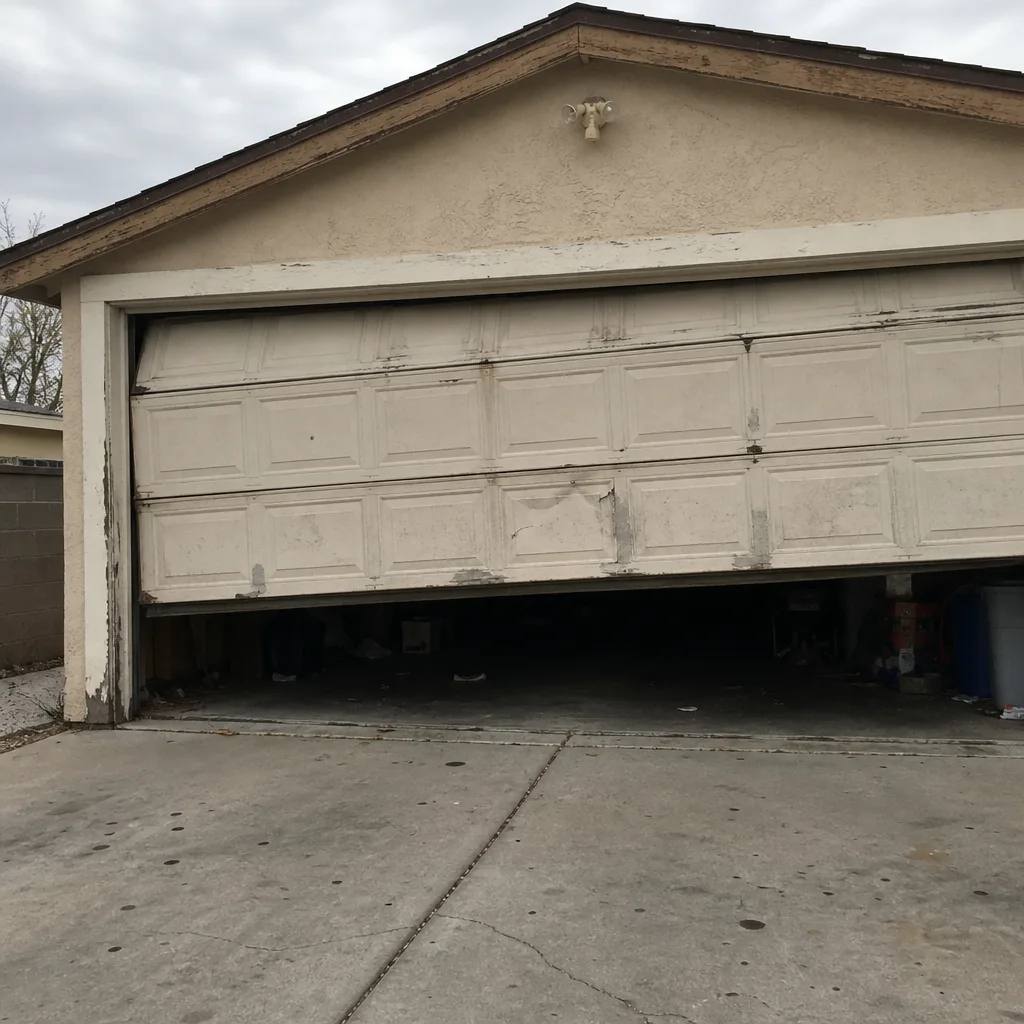 Before
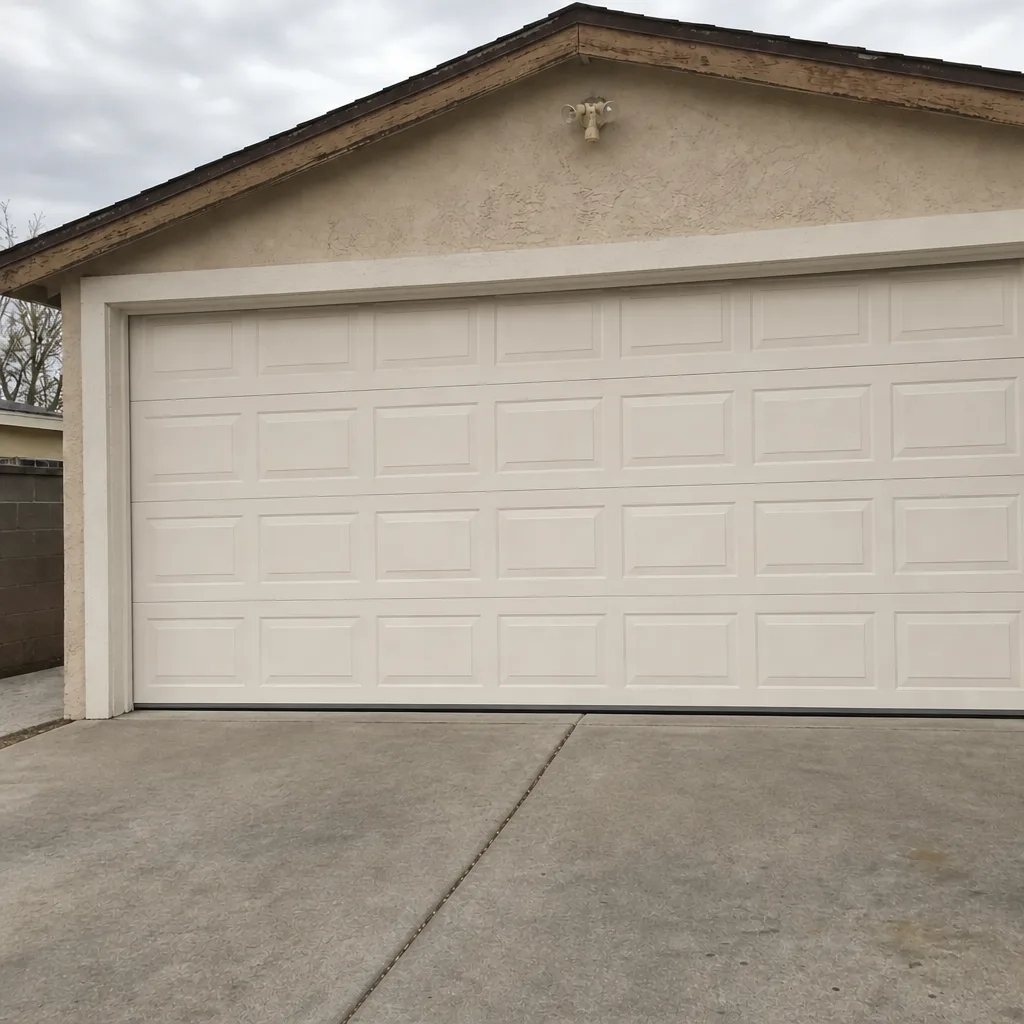 After
When to Call a Professional
Some warning signs give you time to schedule a repair. Others mean stop using the door and call now. Call immediately if you see a frayed or broken cable, hear a loud “bang” followed by the door refusing to open, see a spring with a visible gap or sag, or the door reverses and won’t close at all. These are the same-day emergency situations – a door held up by a failing cable or spring can drop without warning, and stopping use immediately is the only safe option. For the non-urgent warning signs – a slow door, an uneven line, a new squeal, dust in the track – schedule a service call within the week. The earlier you act, the cheaper it is.
Otto’s Garage Door Sunrise Manor offers free estimates in Sunrise Manor. Call (888) 274-8795 for a free estimate. A live person answers, and we’ll quote the job on the call and hold the number at the door. If you’d rather see what’s involved first, our Sunrise Manor garage door opener page walks through the common failures, and our garage door installation page covers what to do when the door is past its useful life.
Frequently Asked Questions
The most common warning signs are a door that opens slowly or unevenly, grinding or squealing sounds from the tracks and rollers, a door that reverses before it touches the floor, and visible fraying on the cables or sagging on the springs. Any one of these means a part is failing. Call (888) 274-8795 for an exact diagnosis – estimates are free.
A fraying cable usually makes a metallic, tinny clicking or snapping sound near the bottom corners of the door, repeating rhythmically, and you’ll often see stray strands sticking out when you look at the cable. It’s a serious warning sign and the door should not be used until it’s inspected. Call a technician right away if you suspect a fraying cable.
No. A garage door spring holds hundreds of pounds of stored energy, and adjusting or replacing it without the right training and tools can cause serious injury. This is one of the few home repairs that should always go to a trained professional. Call us for a safe, quick spring replacement (888) 274-8795.
A door that reverses with nothing in its path is usually telling you the spring tension is off or the track is out of alignment, so the opener reads resistance and reverses as a safety feature. In Sunrise Manor, dusty photo-eye sensors are another frequent cause – check those first. If a sensor wipe doesn’t fix it, it’s time for an inspection. Call (888) 274-8795 for an exact quote.
Once a year for a full service, with monthly visual checks in between and a track cleaning every three months. The desert heat and dust accelerate wear on springs, cables, and seals, so a yearly service in Sunrise Manor catches most problems early. Call (888) 274-8795 to schedule – estimates are free.
Not an emergency, but it is a same-week repair. An uneven door means one spring or cable is doing double the work, and if you wait, both sides usually fail. Call us this week to get it looked at before the good side gives out – (888) 274-8795.
The Bottom Line
Your garage door gives you warning signs for weeks before it fails. The trouble is most of us tune out the sounds and slow-downs because the door still opens. Listen for the clicking cable, the squealing roller, the struggling open. Watch for the uneven line and the dust in the track. Act on what you see and hear, and never touch the springs or cables yourself. Start with a visual check from the floor this week, and if anything on the list looks off, call us. When you do, we answer live, quote the number upfront, and hold it at the door. That’s the deal. For anything else on your door, see our Sunrise Manor home base and the rest of our services.
Written by the team at Otto’s Garage Door Sunrise Manor.