
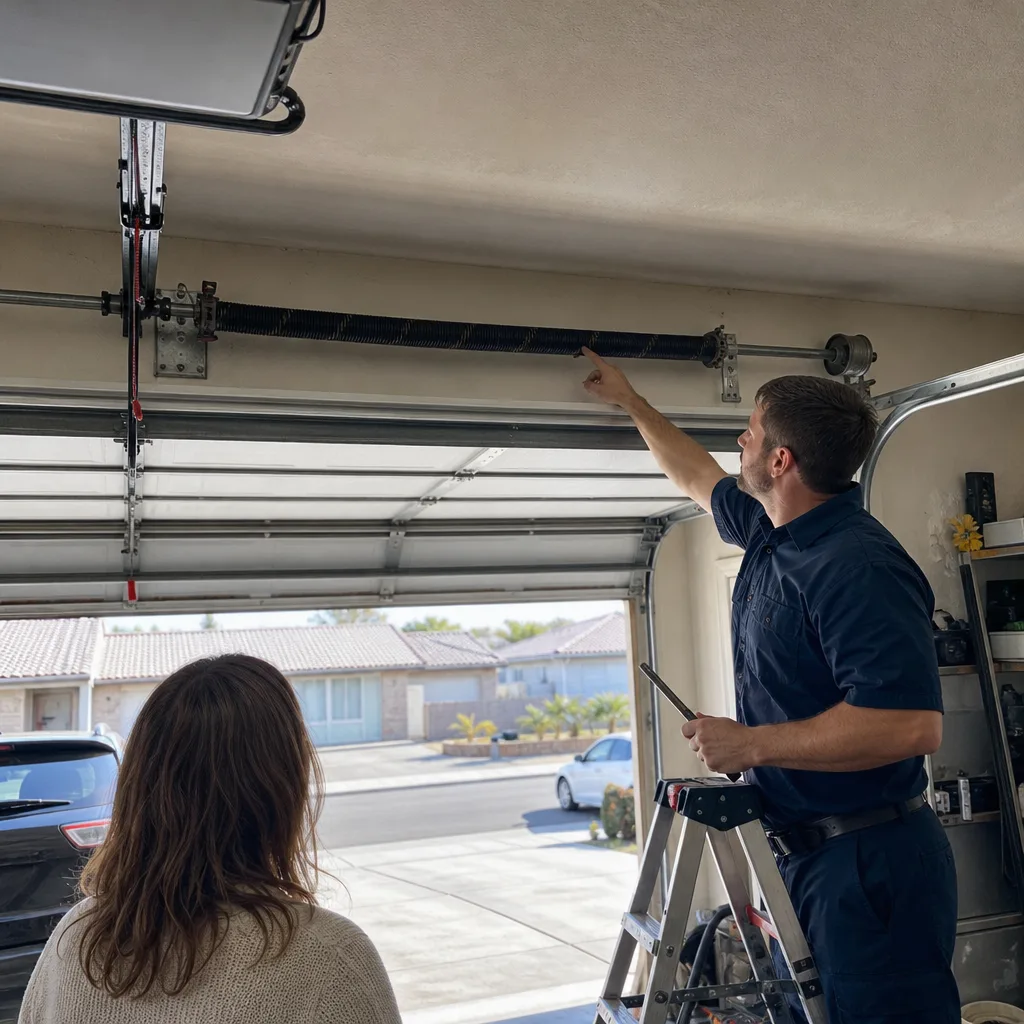
Last updated November 17, 2026
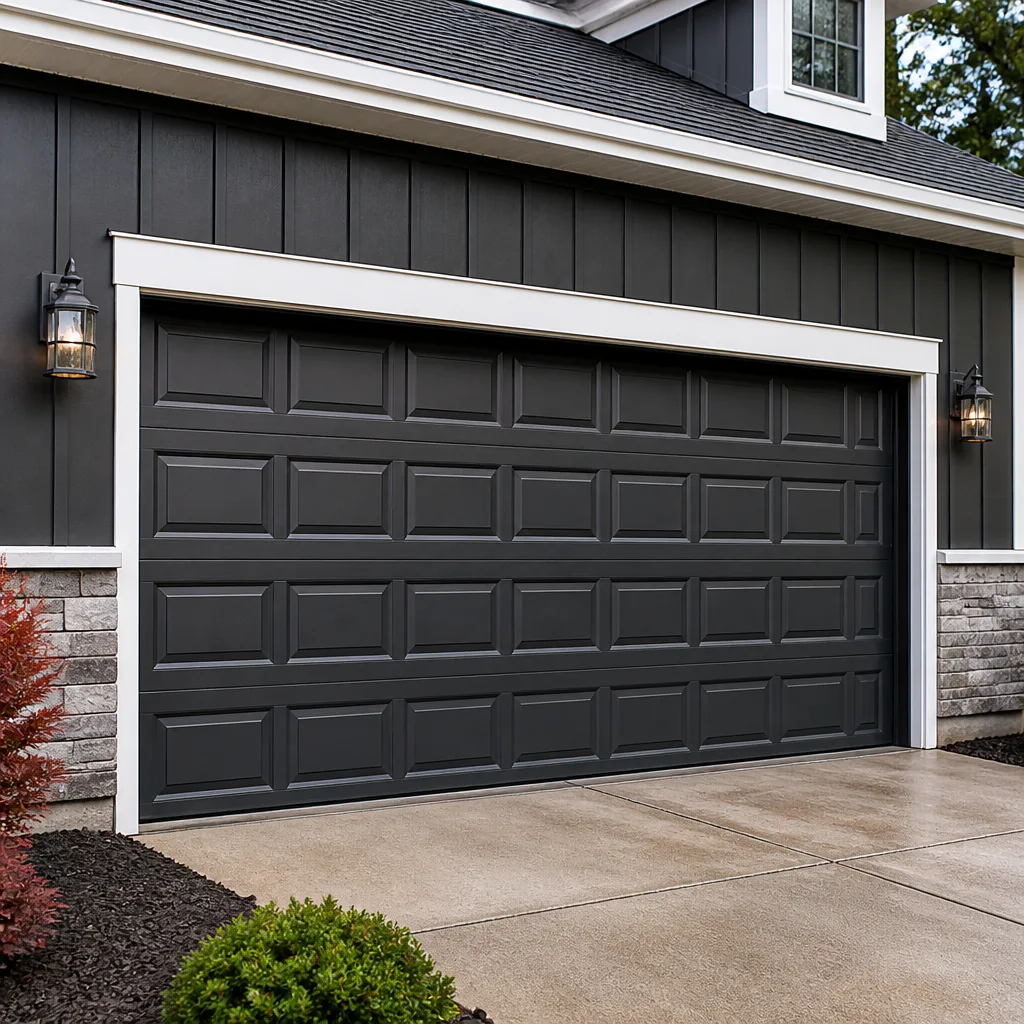 Raised-panel steel
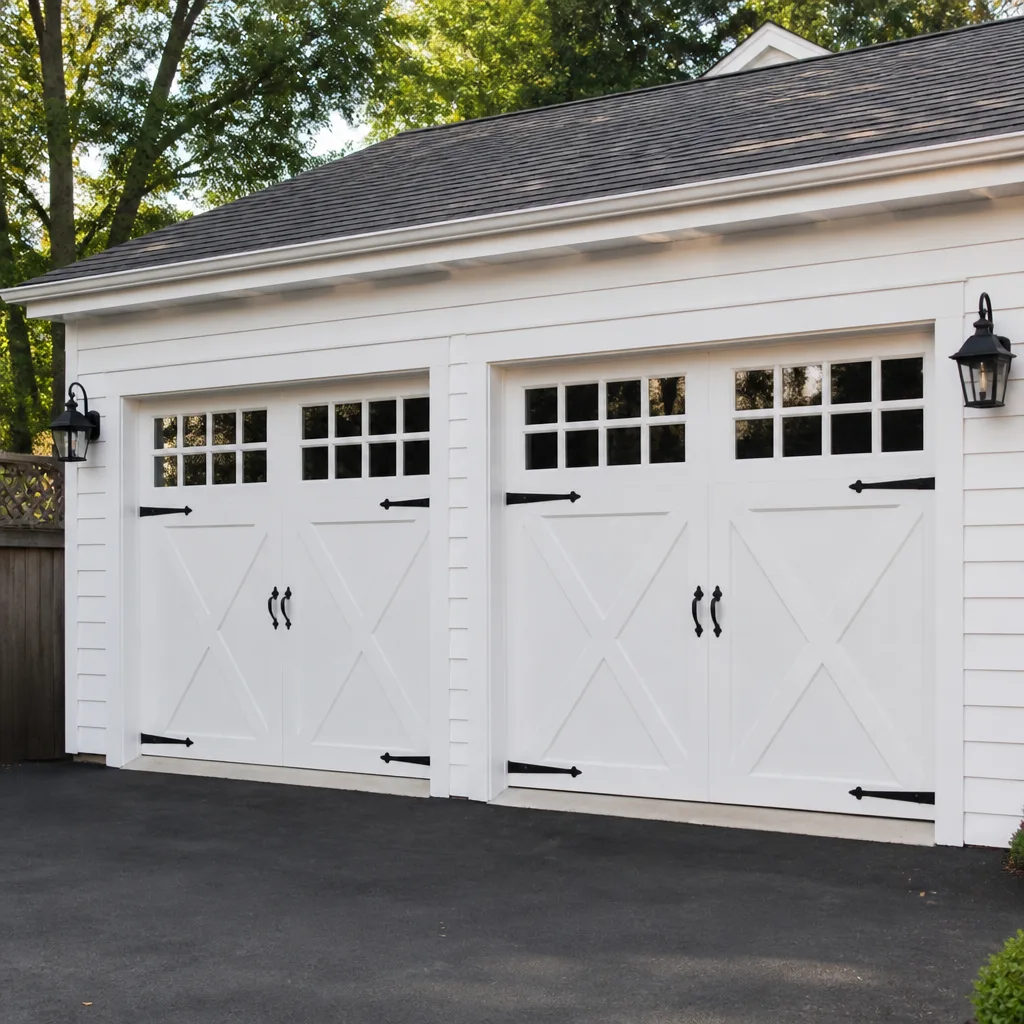 Carriage house
 Modern flush
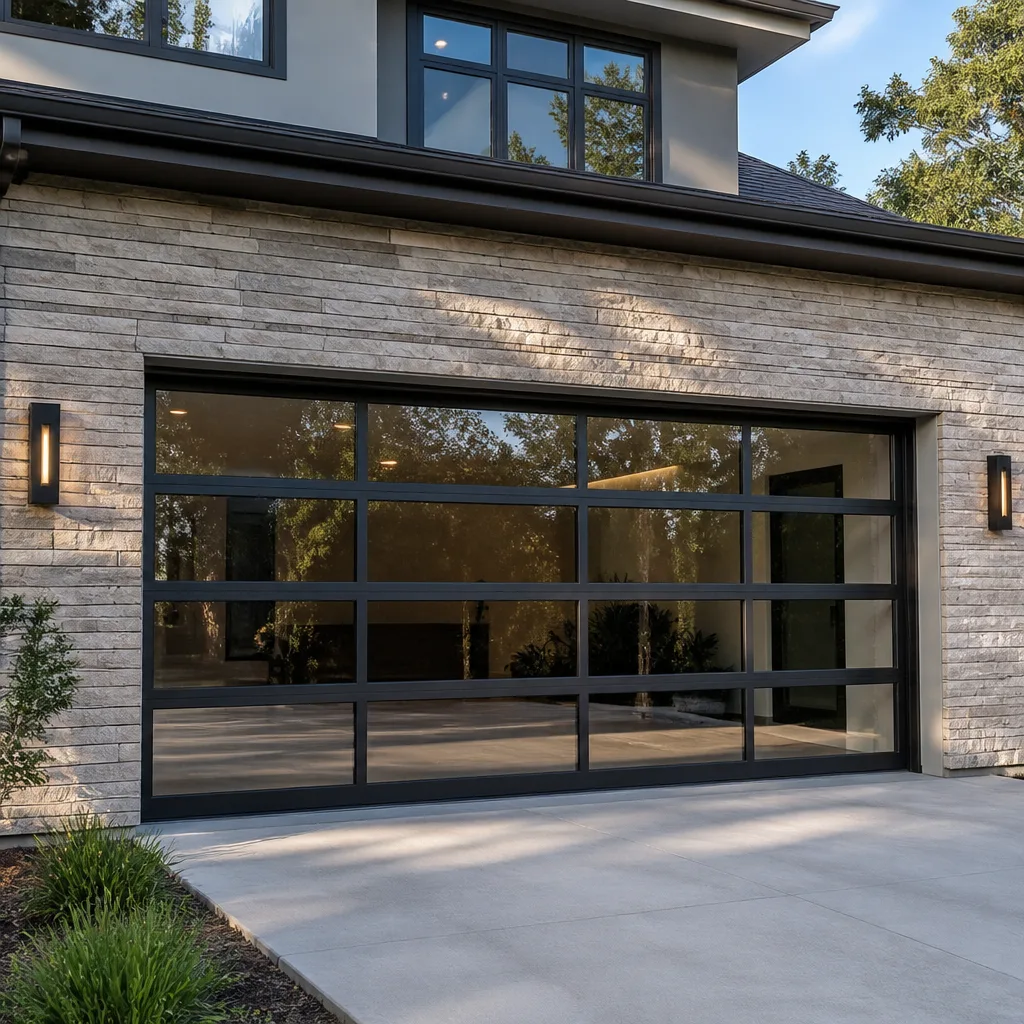 Full-view glass
 LiftMaster openers
 Chamberlain openers
Full 25-point door and opener safety check with every visit - springs, cables, rollers, tracks, and your LiftMaster or Chamberlain opener included
You get a price before we start. It does not change when the pro arrives.
Get your free estimateGarage Door Repair Maintenance Checklist for Sunrise Manor Homeowners
The number-one maintenance mistake we see in Sunrise Manor isn’t skipping lubrication. It’s using the wrong lubricant. White lithium grease turns to gum at 110°F, and by July it’s holding grit instead of shedding it. If you followed the generic advice on the last checklist you found online, there’s a fair chance you’ve already made that mistake. This guide is built around what actually fails here in the east Las Vegas Valley: heat that cooks grease, sun that bakes seals brittle, and a garage many homeowners use as a buffer room against the afternoon blast. You’ll get a realistic quarterly and annual task split, a lubrication schedule that survives August, and the inspection points that keep scorpions and packrats out.
Quick Answer
A desert garage door needs lubrication every three to four months with a high-temp silicone or synthetic spray (never white lithium), a bottom seal inspection monthly during summer, spring tension checks timed to seasonal temperature swings, and a full professional tune-up once a year. In Sunrise Manor, the heat is the enemy, not rust, so your maintenance calendar should follow the temperature curve rather than the seasons on a national list.
Styles & brands we work with
- Raised-panel steel
- Carriage house
- Modern flush
- Full-view glass
- LiftMaster openers
- Chamberlain openers
Table of Contents
- Why Sunrise Manor Garage Doors Fail Differently
- The Heat-Specific Lubrication Schedule
- Inspecting Bottom Seals and Weather Stripping for UV Damage
- Spring Tension Checks Around Seasonal Temperature Swings
- Photo-Eye Sensor Alignment and the Afternoon Sun Problem
- Quarterly vs. Annual: A Realistic Task Split
- When Your Garage Doubles as a Living Space Buffer
- What a Professional Tune-Up Covers
Why Sunrise Manor Garage Doors Fail Differently
A maintenance checklist written for Seattle assumes moisture. A checklist written for Chicago assumes freeze-thaw cycles. Neither applies to Sunrise Manor. Here in the east Las Vegas Valley, we don’t fight rust. We fight heat. The metal on your door and track expands in the afternoon and contracts overnight, and it does that roughly 300 days a year. That constant thermal cycling loosens fasteners that would stay put in a milder climate.
The bigger issue is what heat does to the moving parts. Lubricant that works fine at 75°F thins out or gums up at 115°F. Nylon rollers that last a decade in the Midwest go brittle here faster. Rubber seals that would last three years in Oregon crack in eighteen months under our UV load. And the wind that rolls through the valley carries fine dust that works its way into every hinge and roller, turning tacky grease into an abrasive paste.
Springs are their own story. A torsion spring is a calibrated piece of steel, and steel behaves differently depending on temperature. A spring set to balance your door on a cool January morning will feel different by August. In our experience across Sunrise Manor and the surrounding east side, spring failures cluster in the first real heat wave of the year and again in the first cold snap of winter, exactly when the temperature swing is largest. That’s not coincidence. That’s physics, and it’s what a Sunrise Manor maintenance routine has to plan around.
What this means for you: follow the temperature, not a generic seasonal calendar. Lubricate before the heat arrives, inspect seals going into summer, and check spring balance whenever the mercury makes a big move. The rest of this guide breaks down exactly how.
The Heat-Specific Lubrication Schedule
This is the single most important adjustment Sunrise Manor homeowners need to make. Most online checklists tell you to use white lithium grease on hinges, rollers, and springs. That advice is fine in a mild climate. Here, white lithium turns to a gummy residue at desert temperatures, and once it gums up it grabs dust and holds it, which is worse than no lubricant at all. If your door feels sluggish or you hear a grinding rasp in July, there’s a good chance a previous lube job with the wrong product is the cause.
What actually survives our heat is a high-temperature silicone spray or a synthetic PTFE-based lubricant. Both stay slick at 115°F and don’t collect grit the way grease does. Look for a product rated for high-temperature use on the can; the cheap general-purpose spray won’t cut it here.
Here’s the schedule we recommend for a Sunrise Manor door:
- Early spring (before the first 100°F day): Apply a fresh coat of high-temp silicone to hinges, rollers, and the torsion spring. This is your most important lube job of the year, because it has to carry you through summer.
- Mid-summer (July): Light touch-up on hinges and rollers. Don’t over-apply; a thin film is all you need. Wipe off any excess so it doesn’t attract dust.
- Early fall: Full re-application, same as spring. This carries you through winter.
- Mid-winter (January): Light touch-up, and this is the moment to listen for any change in how the door sounds.
Never lubricate the tracks themselves. Tracks should stay clean and dry; grease in the track collects grit and causes the rollers to drag. Wipe them down with a dry rag instead. If you’ve got a Wayne Dalton or a LiftMaster door with sealed-bearing rollers, those need less frequent attention than open-bearing rollers, but the hinges and spring still need the schedule above.
One more thing: if you’re not sure what’s already on your door, don’t layer a new product on top of old grease. Wipe the hinges and rollers down with a rag first. Mixing a silicone spray over old white lithium is a recipe for a sticky mess. This is the kind of thing the person who answered your call can walk you through, and if you’d rather have it done, our garage door repair in Sunrise Manor service covers tune-ups and lubrication as part of the visit.
Inspecting Bottom Seals and Weather Stripping for UV Damage
Your bottom seal is the rubber strip along the bottom edge of the door, and in Sunrise Manor it takes a beating no northern climate prepares it for. UV light degrades rubber, and we get more of it than almost anywhere. A seal that looks fine from a distance can be cracked and brittle up close, and once it cracks it stops doing its two jobs: keeping the heat out and keeping the critters out.
That second job matters more here than most homeowners realize. A gap under the door is an open invitation for scorpions and packrats, both of which are a real presence in the east Las Vegas Valley. Packrats in particular will nest in a garage given half a chance, and they chew through wiring and insulation. A cracked bottom seal is the most common entry point we see. It’s also the easiest thing on this whole checklist to catch early if you know what to look for.
Here’s how to inspect it, monthly during summer and every other month the rest of the year:
- Look for visible cracks or a chalky, faded surface. Chalking is the first sign of UV breakdown; if the rubber looks gray and dry instead of black and supple, it’s on its way out.
- Check for compression set. Close the door and look at the seal from inside. It should press flat against the floor along its whole length. If it’s flattened and no longer springs back, it’s not sealing.
- Run the paper test. Close the door on a dollar bill or a strip of paper at several points along the bottom. If you can pull it out easily, there’s a gap at that spot.
- Check the side and top weather stripping too. The same UV damage hits the perimeter seals, and the corners are where it starts.
When you find a bad seal, replace it. A brittle seal won’t recover, and no amount of conditioning brings cracked rubber back. Replacement is inexpensive and it’s one of the highest-value maintenance items on this list. The perimeter seals on a Raynor or Clopay door are usually stock items; older or unusual doors may need a specific profile, which is worth confirming before you buy.
Spring Tension Checks Around Seasonal Temperature Swings
Torsion springs are what make a 200-pound door feel like it weighs nothing. They’re also under enormous tension, and a spring that lets go is genuinely dangerous. We’re not going to give you a how-to on adjusting spring tension; that’s a job for a trained technician, full stop. A torsion spring stores enough energy to cause serious injury in an instant if it’s handled wrong. What you can and should do is check for the warning signs and know when to call.
The Sunrise Manor-specific issue is temperature. Springs calibrated in cool weather behave differently once it’s 110°F, and the balance you rely on in January isn’t the balance you get in August. That’s why spring problems here tend to surface at the seasonal extremes. We see a cluster when the first big heat wave hits and another when the cold arrives, because that’s when the temperature swing is largest and the spring is working against a door that’s expanding or contracting with it.
What to check, safely, without touching the spring itself:
- Listen. A loud bang from the garage, followed by a door that won’t lift or feels dead, usually means a spring has failed. Stop using the door and call.
- Test the balance by hand. Disconnect the opener (pull the release cord with the door down) and lift the door halfway. It should stay put with light effort. If it slams down or takes real muscle to lift, the spring is out of balance or worn.
- Look for a visible gap in the spring. A clean break in the coil is a failed spring.
- Watch for a door that lifts unevenly or looks crooked. That can mean one of two springs has failed and the other is carrying the whole load, which accelerates wear on the good one.
If you see any of these, don’t run the opener. Running the door with a broken spring stresses the opener and can bend the door. If your opener sounds like it’s struggling, the problem is almost never the opener; it’s the balance. Our garage door opener repair and installation in Sunrise Manor service handles the diagnostics, and if the spring is the culprit, we’ll tell you straight. We count spring cycles the way you count tire miles, and we’ll tell you what’s left on yours. If you need a spring replaced, our garage door repair in Sunrise Manor covers it, and we’ll quote the price on the phone and hold it when we arrive.
Photo-Eye Sensor Alignment and the Afternoon Sun Problem
Your opener has two photo-eye sensors, one on each side of the door near the floor. They shoot an invisible beam across the opening, and if the beam breaks, the door won’t close. It’s a safety feature, and it’s the source of more nuisance service calls in Sunrise Manor than almost anything else. The problem isn’t the sensors themselves. It’s the sun.
Here in the east Las Vegas Valley, the afternoon sun comes in at a low angle that hits one sensor almost dead-on, and that bright light can blind the receiver the same way headlights blind you at night. The door starts, hits the sun, and reverses. It works fine in the morning and fails every afternoon, which drives homeowners crazy because it looks like an intermittent problem when it’s really a consistent one tied to the sun’s angle. If your door closes fine in the morning and refuses in the afternoon, this is almost certainly what you’re dealing with.
The fix is usually simple alignment. Here’s what to check:
- Confirm the sensors face each other. They should be roughly level and pointed straight across. A bumped sensor is the most common cause.
- Check the indicator lights. Most openers have a light on each sensor that stays solid when aligned and blinks when the beam is broken. If one blinks, the alignment is off or the path is blocked.
- Look for sun interference at the time of day it fails. If the door only fails when the low sun hits, you’ve found it.
- Clean the sensor lenses. Desert dust coats everything, and a dirty lens makes the sunlight problem worse.
For sun interference, the fix a technician would apply is a small sun shade or repositioning the sensor slightly so it’s out of the direct angle. That’s a five-minute adjustment once you know what you’re looking at, but it’s easy to misdiagnose as a bad opener or a wiring fault. Don’t buy a new opener to fix what’s actually a sun angle.
Quarterly vs. Annual: A Realistic Task Split
Most checklists dump everything on you at once and then you never do it again. Here’s a split that actually works with a Sunrise Manor calendar, divided into what you handle yourself each quarter and what should happen once a year.
Every quarter (your own 30 minutes):
- Lubricate hinges, rollers, and spring with high-temp silicone (aligned to the seasonal schedule above).
- Wipe down tracks with a dry rag.
- Check the bottom seal for cracks and the paper test for gaps.
- Test the photo-eye sensors and confirm both indicator lights are solid.
- Test the safety reverse: put a roll of paper towels under the door and confirm it reverses on contact.
- Do a visual spring check (listen, look for gaps, test balance by hand).
Once a year (a professional tune-up):
- Full spring and cable inspection by a trained technician.
- Opener gear, chain, or belt inspection and adjustment.
- Roller and hinge replacement as needed.
- Door balance and travel limit adjustment.
- Full hardware torque check (thermal cycling loosens things over a year).
That’s the shape of it. The quarterly tasks are things you can realistically do in half an hour with a can of silicone spray and a rag. The annual tasks are where a professional earns their keep, because they involve the spring, the cables, and the opener internals, and those aren’t DIY territory. Skipping the annual tune-up and only doing the quarterly lube is like changing your own oil and never checking the brakes.
When Your Garage Doubles as a Living Space Buffer
A lot of Sunrise Manor homeowners don’t just park in the garage. They use it as a buffer zone against the heat: a place to do laundry, work on projects, store things that shouldn’t bake in a shed, or step into from the house before braving the afternoon. That changes your maintenance priorities. A garage you never use can afford a door that’s a little out of balance. A garage you’re in every day can’t afford a bottom seal that lets in scorpions or an opener that reverses every afternoon.
If your garage is a living-space buffer, treat the seal and the sensors as your top priorities. The seal keeps the heat and the critters out. The sensors keep the door closing reliably so you’re not standing in the driveway in July fighting it. Add a quarterly check of the perimeter weather stripping too, because a garage you actually use holds its temperature better when all the gaps are sealed, and that takes pressure off your AC.
This is also the situation where the right lubricant matters most, because you’re opening and closing the door more often than someone who just parks and leaves. More cycles means more wear, which means the lubrication schedule above isn’t optional. It’s the difference between an opener that lasts and one that’s straining by year three.
What a Professional Tune-Up Covers
We’re often asked what’s actually involved in an annual tune-up and why it’s worth the visit. Here’s the honest answer for a Sunrise Manor door.
A proper tune-up covers the spring and cable inspection we described above, with a trained eye on the parts you shouldn’t handle yourself. It covers opener adjustment: travel limits, force settings, and the safety reverse test. It covers roller and hinge assessment, because the dust here wears bearings faster than in a milder climate. It includes a full hardware torque check, since thermal cycling loosens fasteners over a year. And it includes balance correction, so the door isn’t fighting the opener on every cycle.
You don’t have to wait for something to break to schedule one. In fact, the whole point is to catch the failing seal or the worn roller before it becomes a broken spring or a bent door. If you’d rather have it handled, our technicians have up to 22 years of experience and we quote the job before we start, so the price doesn’t change between the phone and the driveway. You can see our full range of services at our garage door repair in Sunrise Manor page and our garage door installation in Sunrise Manor page if you’re weighing a replacement instead of a repair.
Common Mistakes to Avoid
- Using white lithium grease. This is the big one. It gums up at desert temperatures and holds grit. Use high-temp silicone or synthetic spray instead, and clean off old grease before applying a new product.
- Lubricating the tracks. Grease in the tracks collects dust and makes rollers drag. Tracks stay clean and dry; hinges and rollers get the lube.
- Ignoring the bottom seal until you see a scorpion. By the time you notice a pest, the seal has probably been cracked for months. Check it monthly in summer.
- Running the door with a broken spring. This burns out the opener and can bend the door. If you hear the bang or the door won’t lift, stop and call.
- Blaming the opener for a sun-blinded sensor. A door that fails only in the afternoon is a sun angle problem, not a bad opener. Don’t replace the opener to fix it.
- Following a national checklist. A schedule built for a mild climate will put your lube job in the wrong month. Build your calendar around the heat, not the seasons.
- Skipping the annual tune-up because the quarterly tasks feel sufficient. The lube keeps things moving; the annual visit catches the spring, cable, and opener issues before they become emergencies.
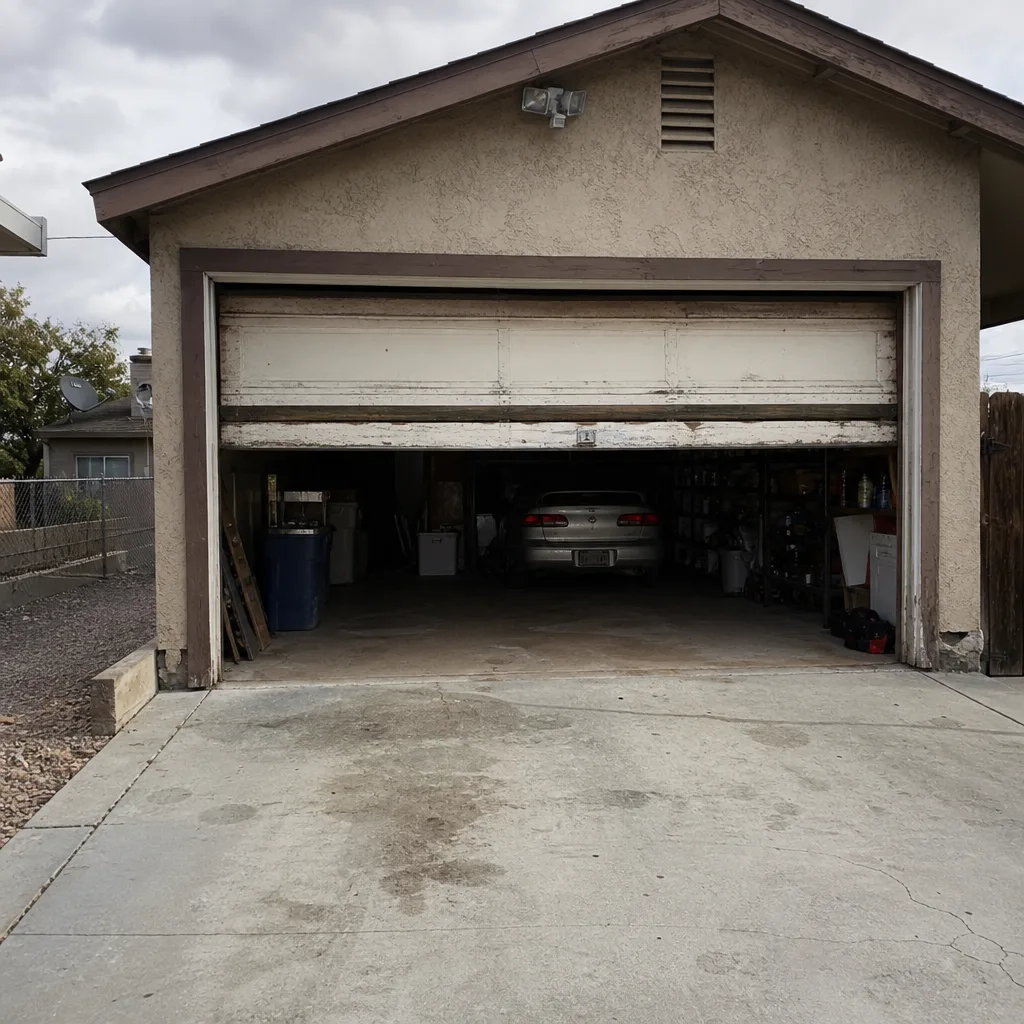
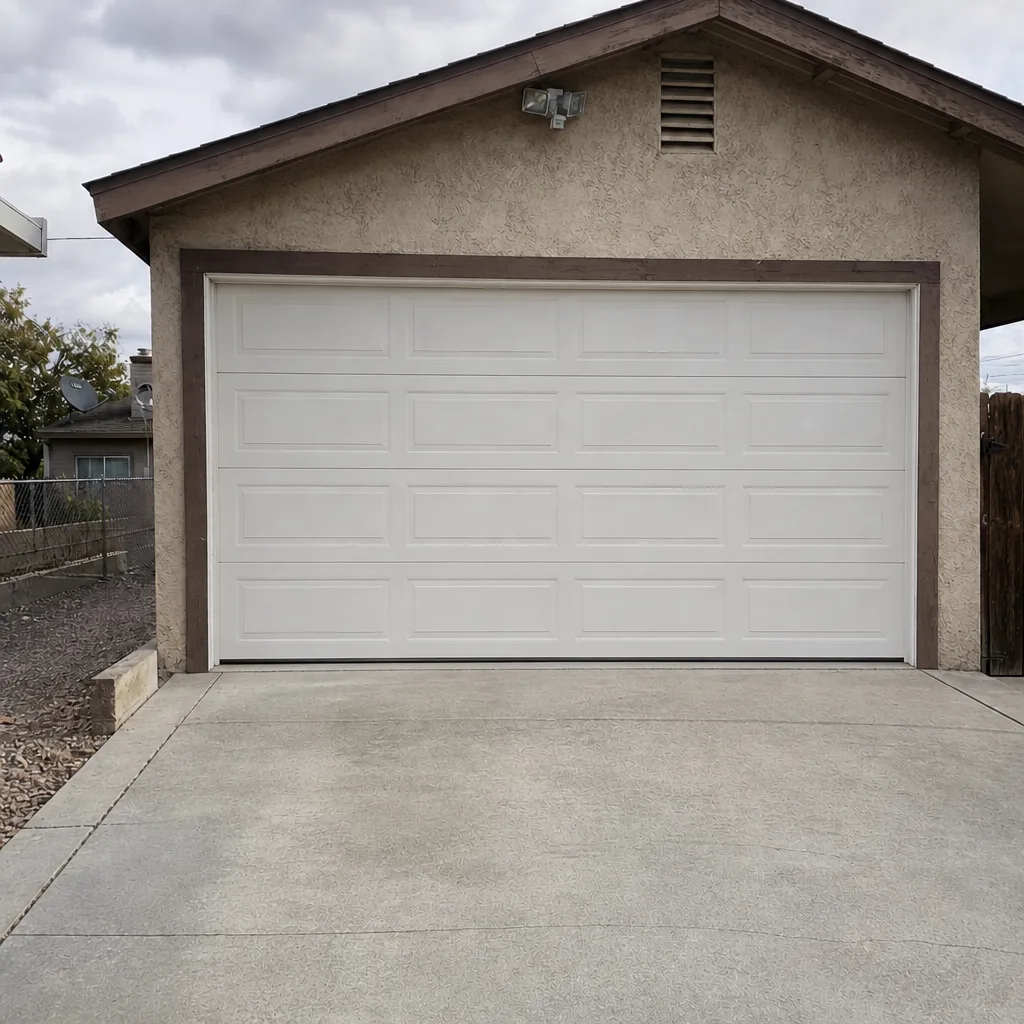
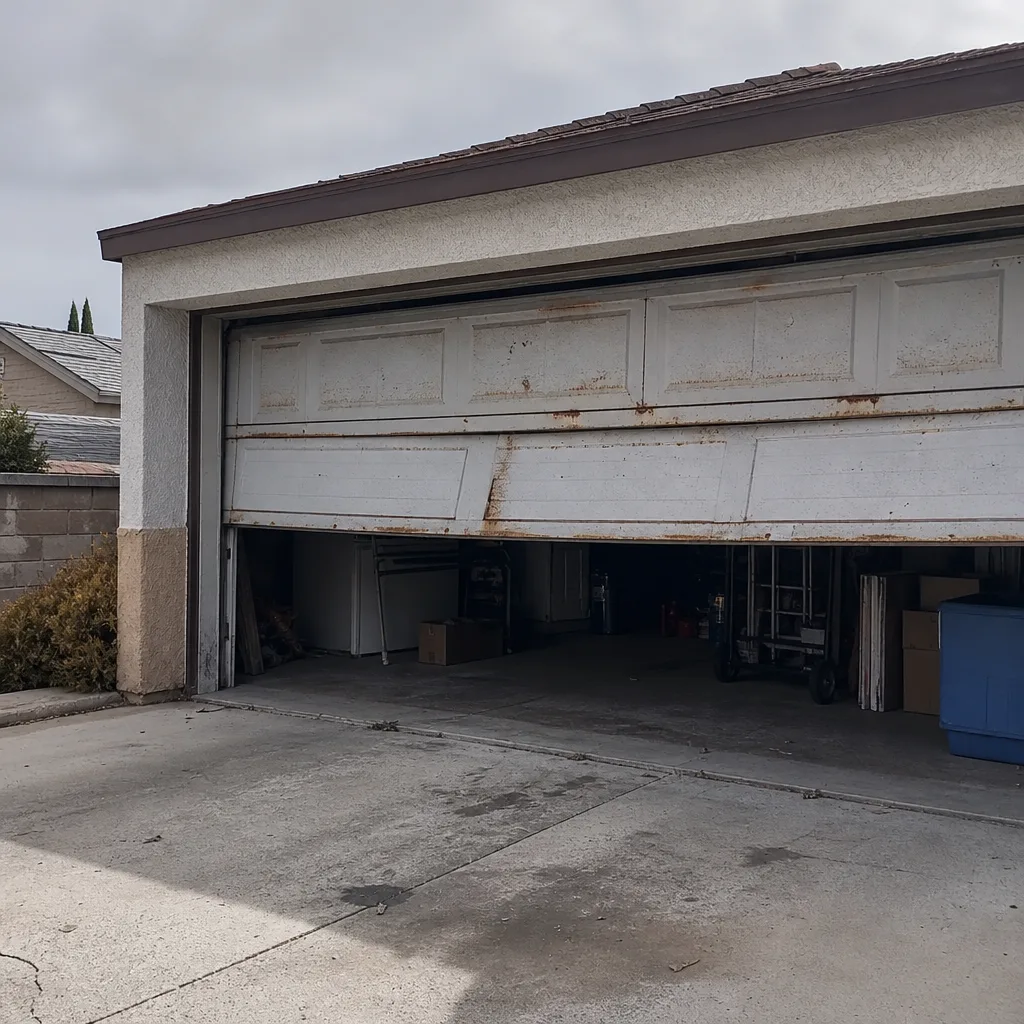
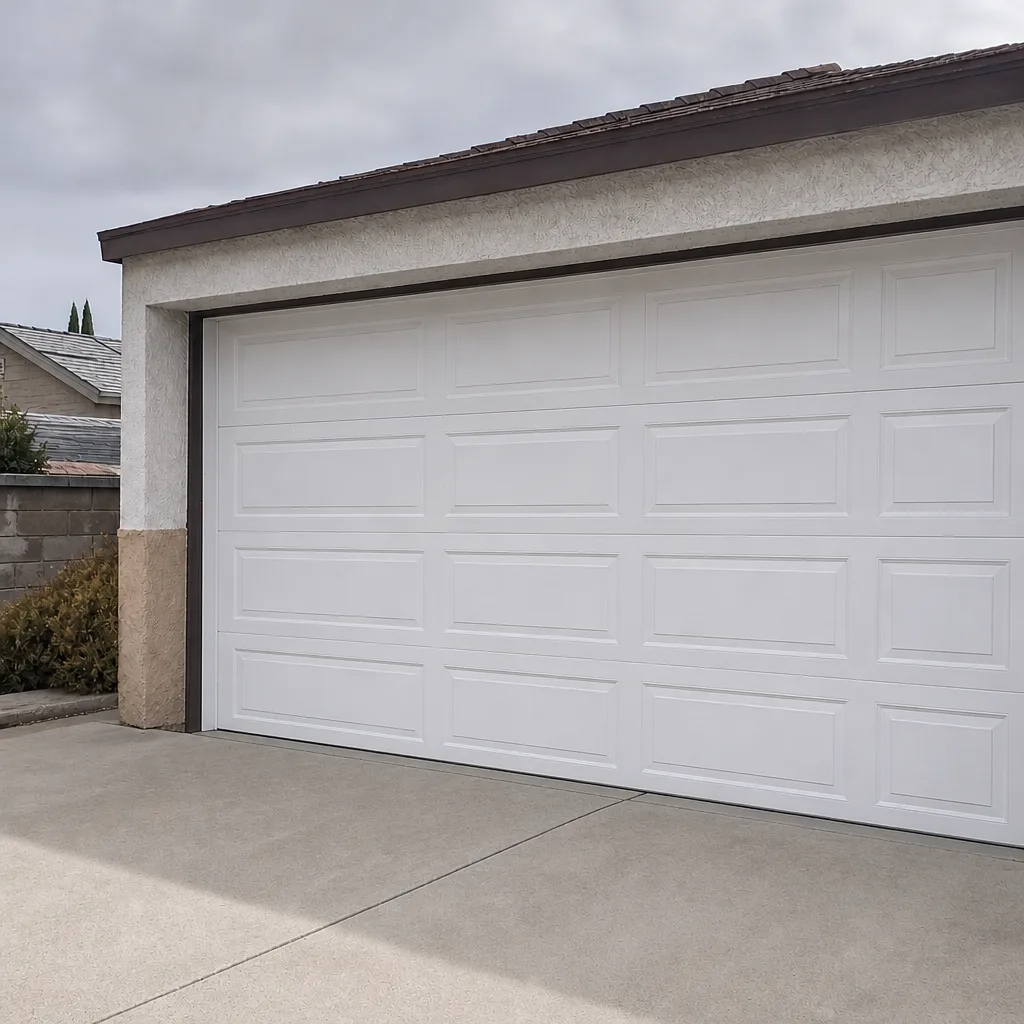
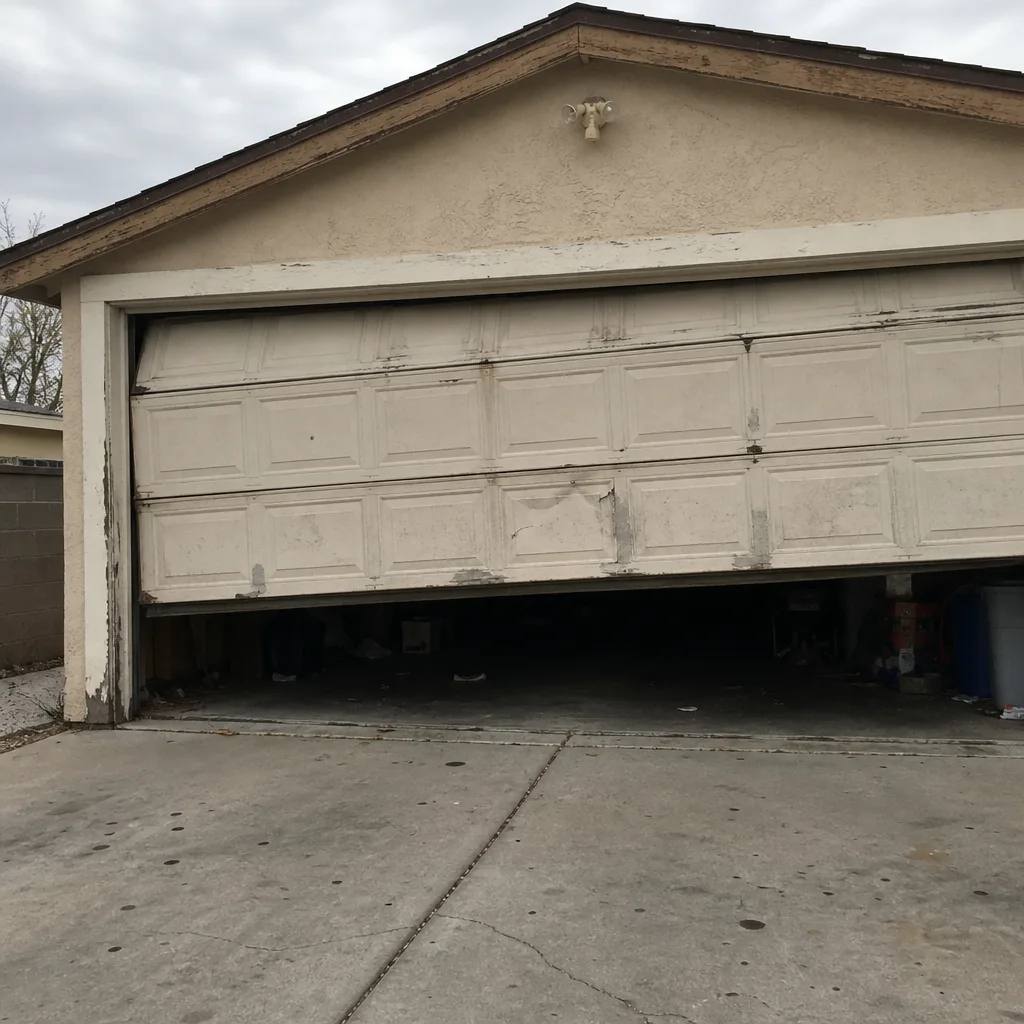
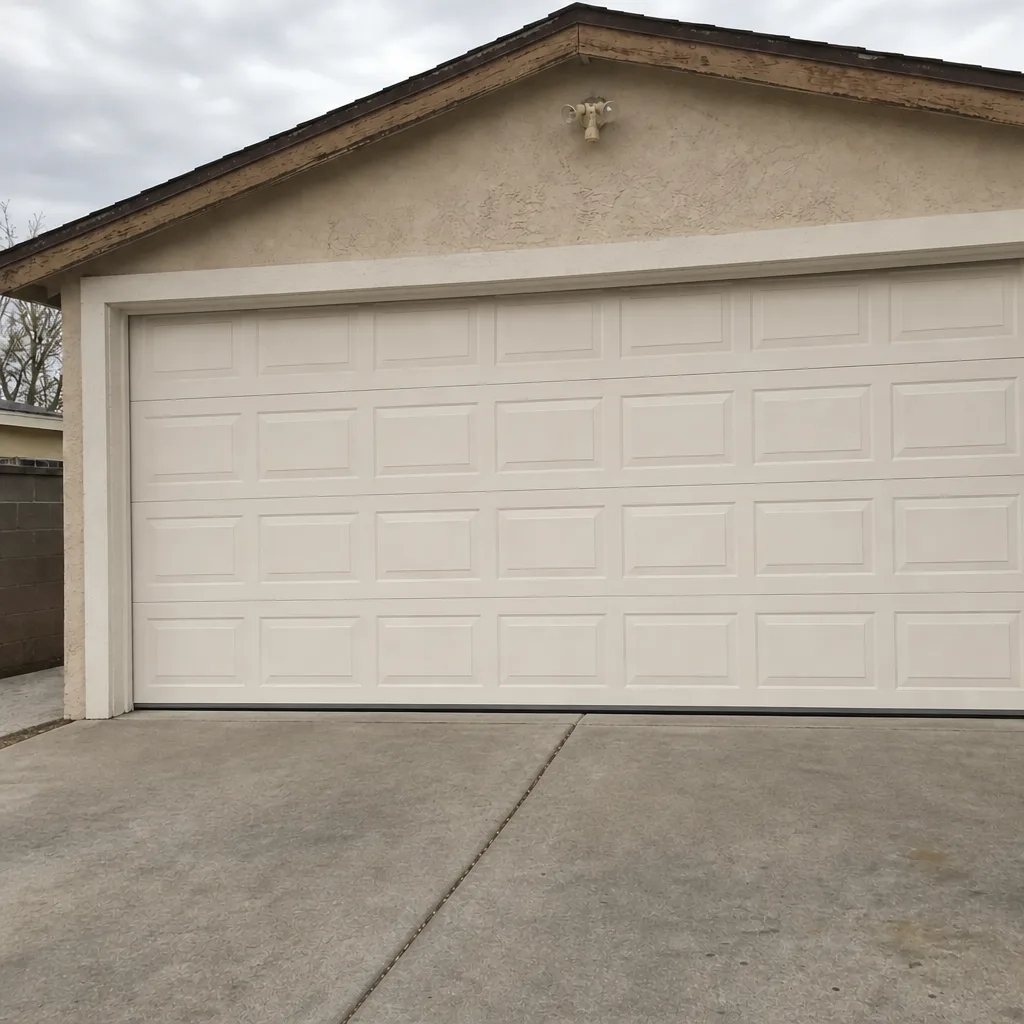
See the difference
 Before
 After
 Before
 After
 Before
 After
When to Call a Professional
Some of this checklist you can handle in half an hour with a spray can. Some of it you should not touch. Call a professional if you hear a loud bang from the garage or the door won’t lift (that’s a spring, and it’s dangerous), if the door lifts unevenly or looks crooked, if the opener reverses for no clear reason and a sensor cleaning doesn’t fix it, if you see a frayed or kinked cable, or if the door has come off its track. Springs and cables are under high tension and they can hurt you badly; don’t test your luck on YouTube. For everything else, the quarterly routine above is yours to run. Otto’s Garage Door Sunrise Manor offers free estimates in Sunrise Manor, and we’ll give you a straight answer about whether it’s a maintenance item or a repair. Call (888) 274-8795 and a live person will pick up, quote the job on the call, and hold that number when we arrive.
Frequently Asked Questions
Using white lithium grease instead of a high-temperature silicone or synthetic lubricant. White lithium turns to gum at desert temperatures and holds dust, which makes the door sluggish and wears the parts faster. Switch to a high-temp product and clean off any old grease before you apply the new one. Call (888) 274-8795 if you want a tune-up that includes the right lube for our climate.
Every three to four months, with the most important application in early spring before the first 100°F day. That spring coat has to carry you through summer, so don’t skip it. A mid-summer touch-up and a fall re-application round out the year. Estimates are free if you’d rather have us handle it.
The afternoon sun is blinding one of your photo-eye sensors. In the east Las Vegas Valley, the low afternoon sun hits one sensor dead-on and breaks the beam, so the door reverses. It’s a sensor alignment or sun-shade issue, not a bad opener. Call (888) 274-8795 and we’ll get it sorted; it’s usually a quick adjustment.
No, and we’d strongly advise against it. A torsion spring stores enough energy to injure you badly in an instant if it’s handled wrong, and it’s not a job for a homeowner. We handle springs as part of our repair service, and we’ll quote the price on the phone and hold it at the door. Call (888) 274-8795 for a free estimate.
Keep your bottom seal and perimeter weather stripping in good repair. A cracked or compressed bottom seal is the most common entry point we see in Sunrise Manor. Check it monthly in summer with the paper test and replace it when it’s brittle. Our repair service covers seal replacement, and estimates are free.
Yes. The quarterly tasks keep the moving parts lubricated, but the annual tune-up catches the spring, cable, and opener issues that lead to real breakdowns. It’s cheaper than an emergency repair, and it’s the difference between maintenance and waiting for something to fail. Call (888) 274-8795 to schedule yours; our technicians have up to 22 years of experience and the price is quoted before we start.
The Bottom Line
Sunrise Manor garage door maintenance isn’t complicated, but it’s climate-specific. The grease that works in a mild climate gums up here. The seals that last three years up north crack in eighteen months under our UV load. The springs that balance in January don’t balance in August. Build your calendar around the heat: lubricate every three to four months with a high-temp silicone product, inspect the bottom seal monthly in summer, check the sensors when the afternoon sun hits, and spring for one professional tune-up a year to catch the things you shouldn’t touch. Do that and your door will outlast the one your neighbor’s been fighting with. For a straight answer on what your door needs, visit our Otto’s Garage Door Sunrise Manor home page or call us for a free estimate.
Get Your Sunrise Manor Garage Door on a Schedule That Fits the Desert
You don’t have to guess whether your door needs a tune-up, a new seal, or a spring. We’ll tell you straight, quote the job on the phone, and hold that number when we arrive. We’re locally owned and owner-operated, the name on the van is the name on the license, and a live person answers the phone. Seniors and veterans get a standing 10% discount, there’s no trip charge inside the county, and every job is backed by the 90-Day Done Right Promise in writing. Call (888) 274-8795 for a free estimate.
Written by the team at Otto’s Garage Door Sunrise Manor.