
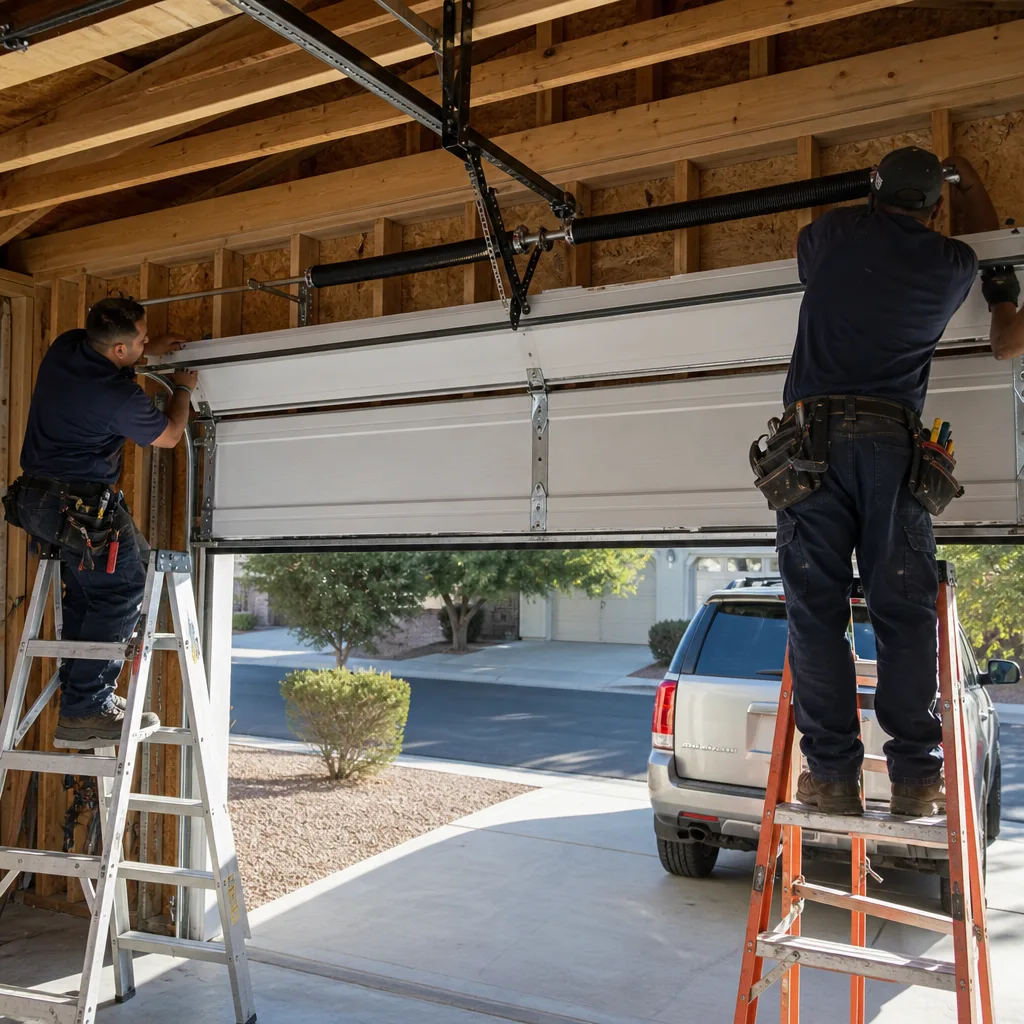
Last updated November 17, 2026
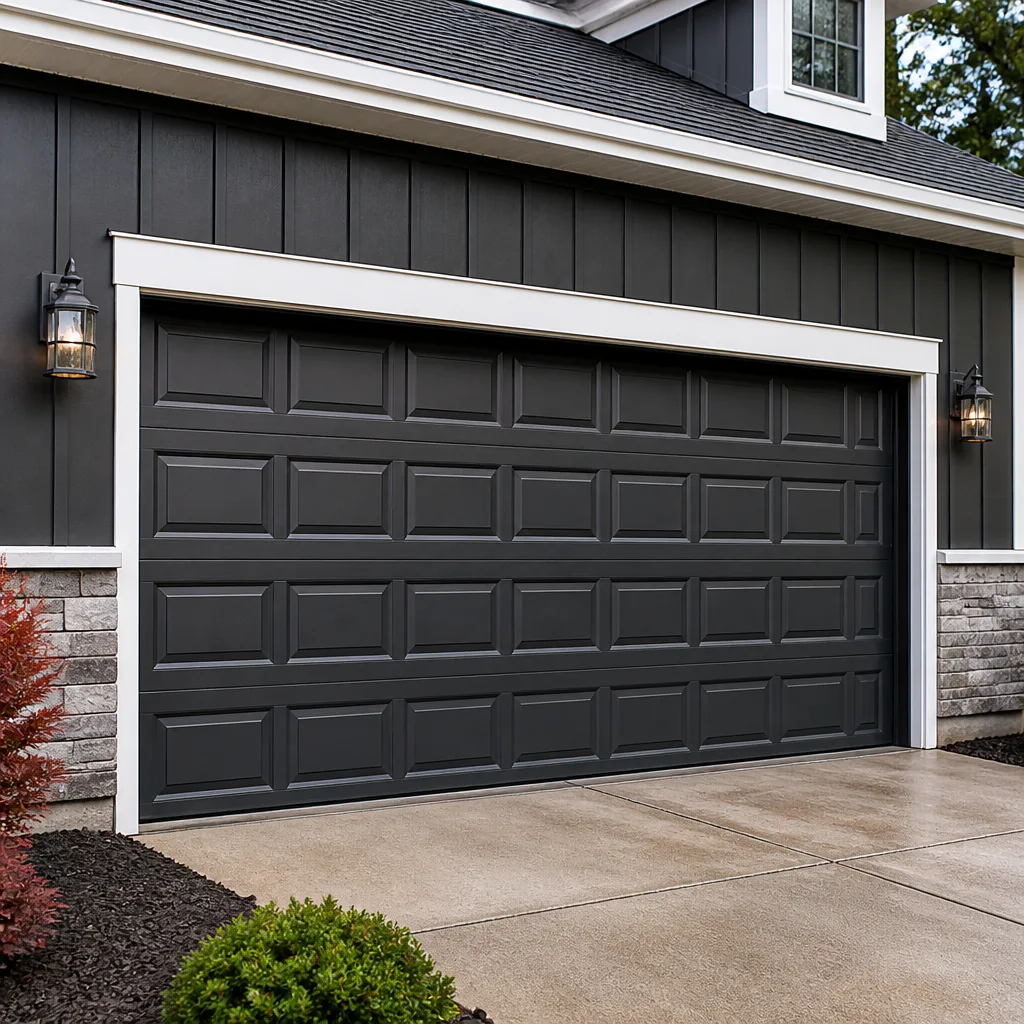 Raised-panel steel
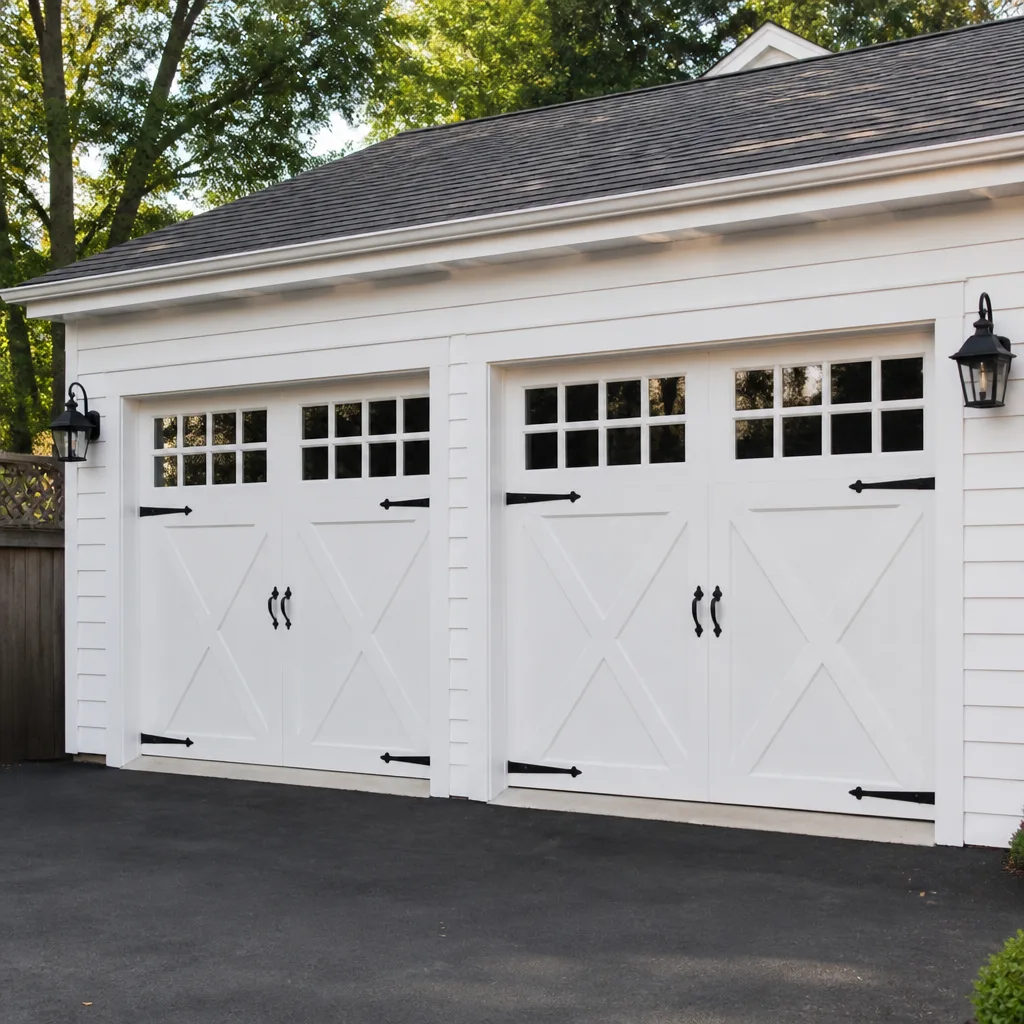 Carriage house
 Modern flush
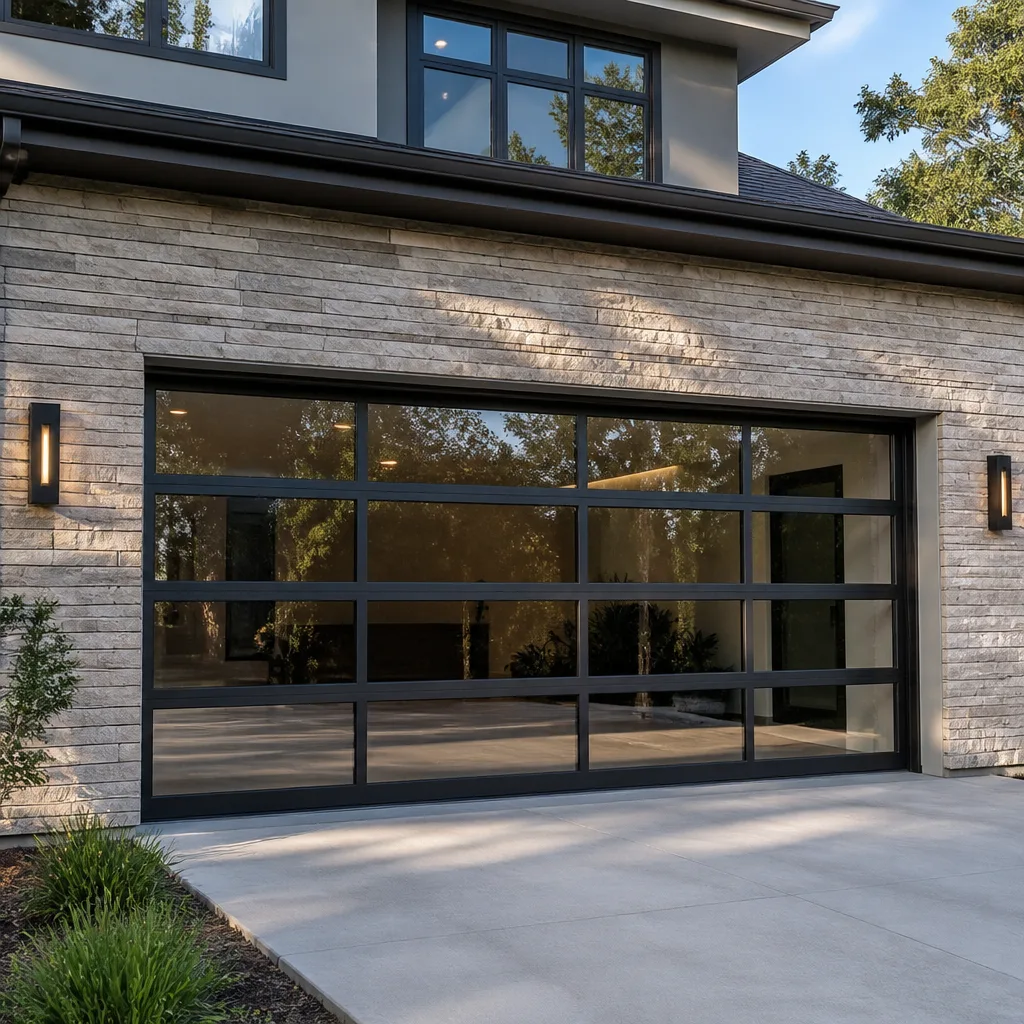 Full-view glass
 LiftMaster openers
 Chamberlain openers
Full 25-point door and opener safety check with every visit - springs, cables, rollers, tracks, and your LiftMaster or Chamberlain opener included
You get a price before we start. It does not change when the pro arrives.
Get your free estimateGarage Door Parts Maintenance Schedule: What to Do and When
A 110°F summer in Sunrise Manor does to a nylon roller in one season what three mild winters do to the same part in Seattle. That’s not a scare tactic, it’s just what UV and dry heat do to plastic and rubber. Most maintenance charts you’ll find online were written for a climate with actual seasons, snow, and humidity, and they get the intervals wrong for the Mojave. The result is that homeowners here replace parts too late and ignore the ones that actually fail first.
This guide lays out a real calendar for Sunrise Manor: which parts to check quarterly, which to lubricate and when, which get a visual look every single monsoon season, and the clear signs that mean put the ladder away and call someone. It’s written from here, for here.
Quick Answer
In Sunrise Manor, check your rollers, hinges, and bottom weatherstripping every quarter, lubricate the springs and hinges twice a year with a silicone or lithium spray (never WD-40), and have your spring cycle count and cable condition inspected by a trained technician once a year. Rubber seals and nylon rollers dry out and crack faster in desert heat, so they need replacing sooner than a national schedule suggests.
Styles & brands we work with
- Raised-panel steel
- Carriage house
- Modern flush
- Full-view glass
- LiftMaster openers
- Chamberlain openers
Table of Contents
- Why Desert Heat Puts Your Parts on a Different Clock
- The 10-Minute Quarterly Walk-Around
- Bottom Weatherstripping: The Every-Monsoon Check
- Lubrication Schedule for a Dusty Climate
- Springs and Temperature Cycling
- Rollers, Hinges, and Tracks: Local Replacement Intervals
- Opener and Safety-Reverse Testing
- Common Mistakes to Avoid
Why Desert Heat Puts Your Parts on a Different Clock
Out in Sunrise Manor we get summer highs that sit above 105°F for weeks, surface temps on a black steel door that climb well past 140°F, and UV that hits every square inch of exposed rubber and plastic all year. In Ohio, a nylon roller might take four or five years to get brittle. Here, we’ve pulled rollers that were cracking at the hub in eighteen months. The rubber bottom seal that faces west toward the afternoon sun is the first thing to go, sometimes inside two seasons.
This is the part generic guides miss. They treat “rollers” and “weatherstripping” as abstract categories with a national average replacement life. A real schedule has to account for the specific microclimate, and Sunrise Manor is a dry heat with wind-blown dust, not just steady warmth. That combination means:
- Rubber seals dry out and split faster than anywhere with humidity.
- Nylon rollers get UV degradation on the side facing the sun opening.
- Dust grinds against hinges and tracks instead of washing away with rain.
- Metal expands and contracts harder through day-night swings than in a steady climate.
So the parts that fail first here aren’t the same as the parts that fail first in a wet climate. Our schedule is built around that reality. Knowing your parts is half the battle; the other half is knowing the specific Garage Door Repair in Sunrise Manor signals that tell you it’s time.
The 10-Minute Quarterly Walk-Around
You don’t need a tool bag for this. You need ten minutes, a flashlight, and the willingness to actually look. Do this four times a year; the first weekend after each season change is an easy habit to keep. If any step turns up a “call a pro” trigger, stop there and get help.
- Look at the bottom seal. Run a hand along it if it’s cool out. Cracks, missing chunks, or a seal that doesn’t touch the ground means it needs attention.
- Watch the door travel. Open and close it and listen. Grinding, squealing, or a door that jerks is talking to you.
- Check the rollers from the side. Look at the nylon wheels in the track. Cracks at the hub or flat spots mean replacement.
- Wiggle the door by hand. Raise it partway and try to rock it side to side. It should feel solid. If it waggles, the hinges or the balance is off.
- Eyeball the cables. Look for fraying, kinks, or rust on the steel cables at the sides. If they look rough, that’s a professional call, not a homeowner fix.
- Test the safety reverse. Put a block of wood or a roll of tape under the door and close it. It should reverse on contact. Every quarter, no exceptions.
Have a rag and a can of silicone spray handy for the lubrication bits below. Anything on the spring or cable side stays visual only. Those are under serious tension; a door is 200 pounds riding on two springs, and we don’t want a homeowner anywhere near that.
Bottom Weatherstripping: The Every-Monsoon Check
This is the part the annual guides get most wrong, and for Sunrise Manor it’s the one that matters every July. Monsoon season brings wind, dust, and sudden water, and the bottom seal is your only barrier between the outside and the inside of your garage. Once it’s cracked, wind-driven dust walks right in, and water follows it. In our experience, a bottom seal that just survived a dry spring can be split by the time the first big storm rolls through.
Here’s why the annual schedule isn’t enough. In a moist climate, rubber seals stay pliable and last years. In our dry heat, the rubber dries, shrinks, and cracks, then the first real monsoon pries those cracks wider. That means a visual check right when the season starts, not once in April. If you can see light under the door with it closed, or the seal feels stiff and brittle, it needs replacing before the weather turns. It’s a quick fix and a cheap one. Waiting means you’re mopping up after the first storm.
The same attention applies to the side and top seals, though those get softer treatment since they don’t take the sun and the door weight the way the bottom does. If you’re in one of the older Sunrise Manor neighborhoods and your door has been through several summers, this is one to put on the calendar not once but twice a year.
Lubrication Schedule for a Dusty Climate
Dust is the enemy of a smooth door here. Every particle that settles into a hinge or onto a track acts like a gentle file against the metal and plastic moving past it. Lubrication is how you slow that down, but the wrong product makes it worse. WD-40, the spray can sitting in most garages, is a solvent and a light oil, not a lubricant built for sliding hardware. It attracts dust and dries out the very parts you’re trying to protect. We see it over and over on the doors we service.
Use silicone spray or a white lithium grease instead. Here’s the schedule:
- Twice a year (spring and fall is fine here): spray silicone or lithium on the hinges, the torsion spring coil, the bearing plates, and the roller bearings.
- Every quarter: wipe dust out of the tracks with a dry cloth or a vacuum hose. Don’t grease the tracks themselves; they’re meant to run dry so rollers roll instead of slide.
- After a dusty windstorm: quick wipe-down of the tracks and a light touch-up where it counts.
The logic is simple: a lubricated hinge moves freely, a dry gritty hinge grinds and eventually seizes. Wiping dust out first means you’re not greasing over grit. It’s a small habit that adds years to the parts. If you’re unsure what’s on your hinges now, wipe them clean and start fresh. Your Garage Door Opener Repair & Installation in Sunrise Manor expert will also flag dry hinges during a service call if you mention it.
Springs and Temperature Cycling
Our springs live a harder life than most. On a cold desert night, the steel contracts. On a hot afternoon, it expands again. Day after day, that cycle works the metal. Over years, it adds up to stress that a mild climate never puts on a spring. Combined with the cycle count of every open and close, this is why a spring inspection should be annual and why a trained eye beats a visual look here.
What can you actually check? Not much safely, and here’s the honest truth: this is the one part we don’t want you touching. Springs and cables are under hundreds of pounds of tension. They can fail without warning, and when they do, it’s dangerous. A garage door is a heavy machine, and the springs are the machine’s heart.
What you can do is watch and listen:
- A loud bang from the garage, followed by a door you can’t lift, usually means a spring has snapped.
- A visible gap in the coil of a torsion spring is a warning sign, not a reason to try to fix it.
- If the door feels suddenly heavy, or opens only a little and hangs, get help.
An annual check from a trained technician means counting cycles the way you’d count the tire miles on your truck, so you know what’s left before it fails on a Sunday night. That’s a job for the professionals who handle Garage Door Repair in Sunrise Manor and see these failures weekly. Get the cycle count when you can, and let a pro do the rest.
Rollers, Hinges, and Tracks: Local Replacement Intervals
Here’s where our local schedule separates from the national one. Consider that 18-month-old cracked roller. On a manufacturer’s chart, you’d replace it around year four. Here, it’s done. The same goes for the hinges, which face dust and dry heat. Below is a rough chart of what we see and what we recommend for a door in Sunrise Manor facing west or south, which takes the most sun.
- Nylon rollers: inspect quarterly, replace every 2 to 3 years or at the first sign of cracking.
- Steel or sealed-bearing rollers: last longer, maybe 5 to 7 years, but still inspect them; the bearings can dry out.
- Hinges: with twice-yearly lubrication, most make it 5 to 8 years; dry hinges fail much sooner.
- Bottom weather seal: replace every 2 to 4 years depending on sun exposure; check every monsoon.
- Tracks: rarely need replacing; keep them clean and check alignment after any door impact.
These are intervals, not expiration dates. A door on the shaded side of the house will last longer, while one baking in full afternoon sun will go sooner. The key is to inspect, not to assume. If you’re replacing rollers, this is a good time for a look at the whole door and getting professional Garage Door Repair in Sunrise Manor service to keep everything working together. Think of it as routine maintenance, not a repair, and it pays off.
Opener and Safety-Reverse Testing
Your opener is a motor, and the parts around it are the messengers. If the door grinds, strains, or jerks, the problem is usually the door hardware, not the opener. Testing the safety reverse is the one thing every homeowner should do every quarter, because it’s the feature that keeps a child or a pet from getting pinned. It’s simple. Put something under the door and see if the door stops and reverses when it touches it. If it doesn’t, that’s a call-a-pro trigger, immediately.
Here’s a quick quarterly opener routine:
- Test the safety reverse with a block or a roll of tape.
- Check the force settings by watching whether the door reverses on contact.
- Look at the light and listen for unusual noise; grinding or buzzing is a warning.
- Check the wall button and both remotes; if one remote fails, test the other before assuming the opener is dead.
- Clear away any debris near the safety sensors at the bottom corners.
If your door is slow, loud, or stops partway, the opener could be fine and the door itself could be out of balance, or it could be time for a new opener. We work on all the major brands – LiftMaster, Chamberlain, Genie, Craftsman, and Raynor among them – so whatever’s on your ceiling, we can figure it out. The Garage Door Opener Repair & Installation in Sunrise Manor process starts with a look at the door first. That matches what we see in the field here.
Common Mistakes to Avoid
- Using WD-40 as lubricant. It’s a solvent, not a real lubricant. It collects dust and dries out the parts on a door in our heat. Use silicone spray or white lithium instead.
- Greasing the tracks. Tracks should run clean and dry. Grease traps dust and turns into a gritty paste that wears the rollers.
- Skipping the monsoon seal check. An annual look at the bottom seal isn’t enough here. A dry spring can crack it, and the first storm makes the leak obvious. Check it before the season.
- DIY spring work. Springs are under hundreds of pounds of tension and can fail without warning. This is not a homeowner repair, full stop.
- Ignoring a door that feels heavy. A suddenly heavy door usually means a spring is going or a cable has let go. Treat it as an emergency, not a task for next weekend.
- Assuming the opener is the problem. When a door strains or stalls, the cause is usually the door hardware, not the motor. Diagnose the door before replacing the opener.
See the difference
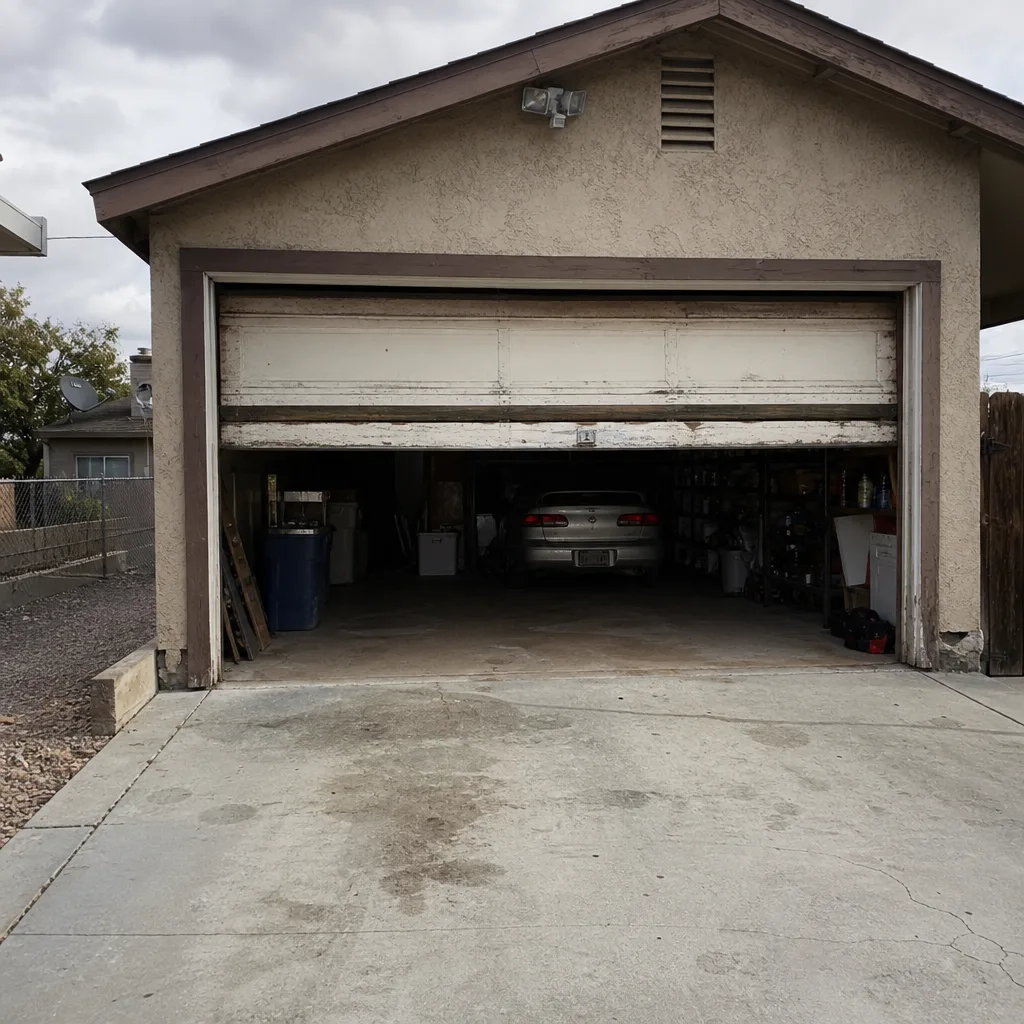 Before
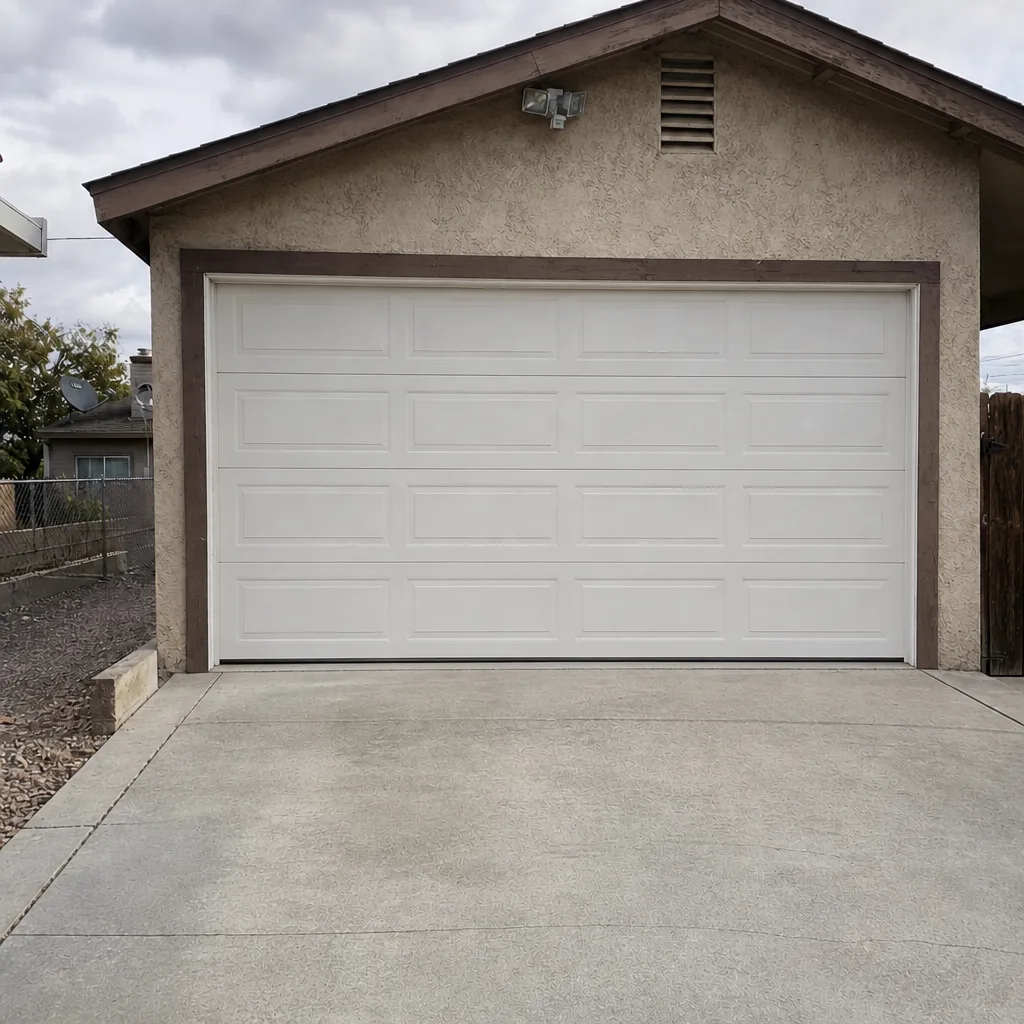 After
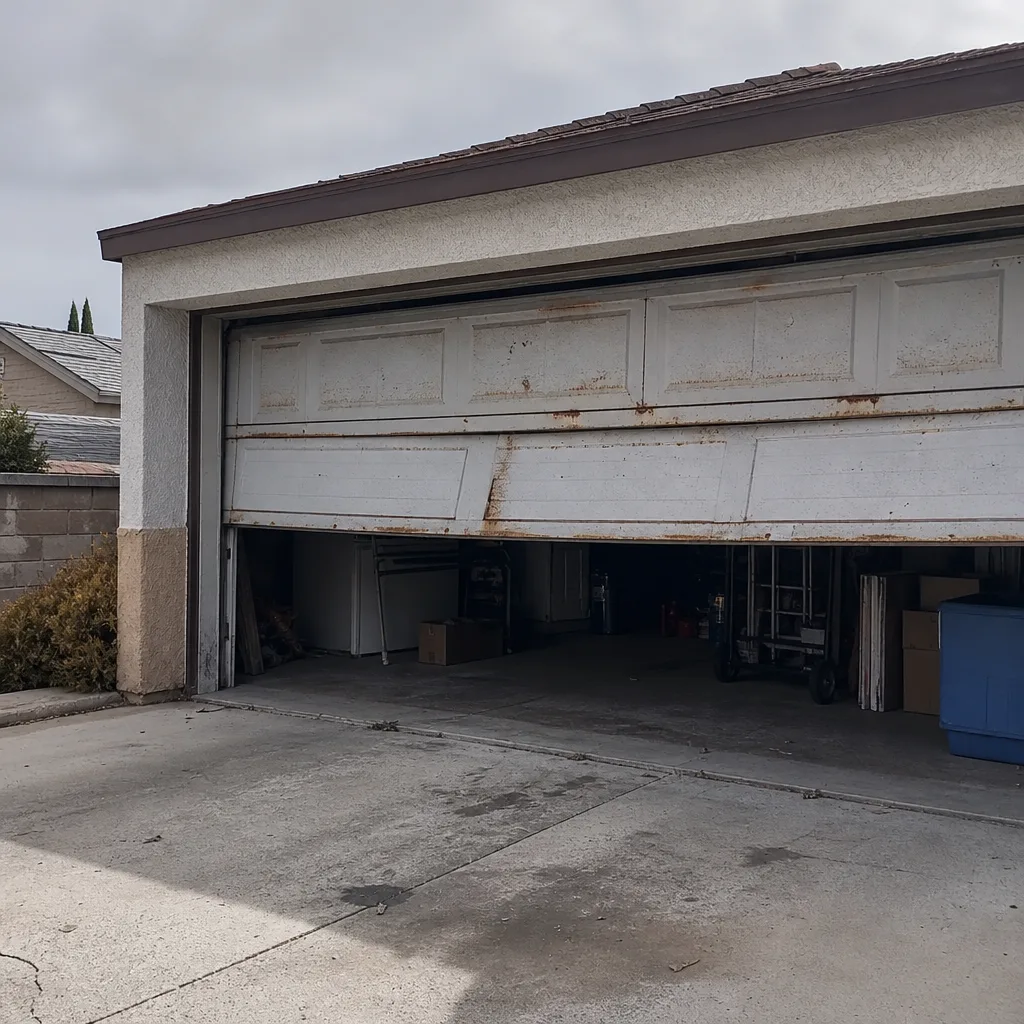 Before
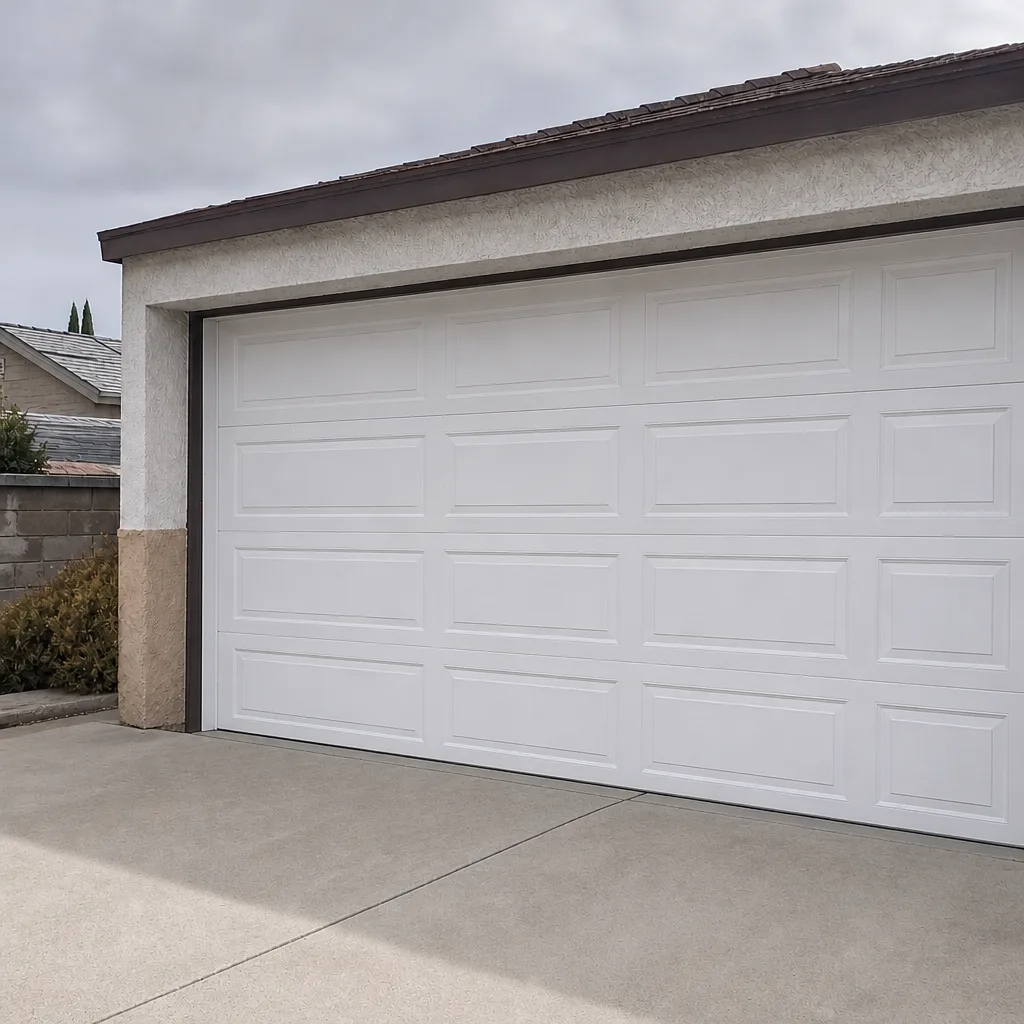 After
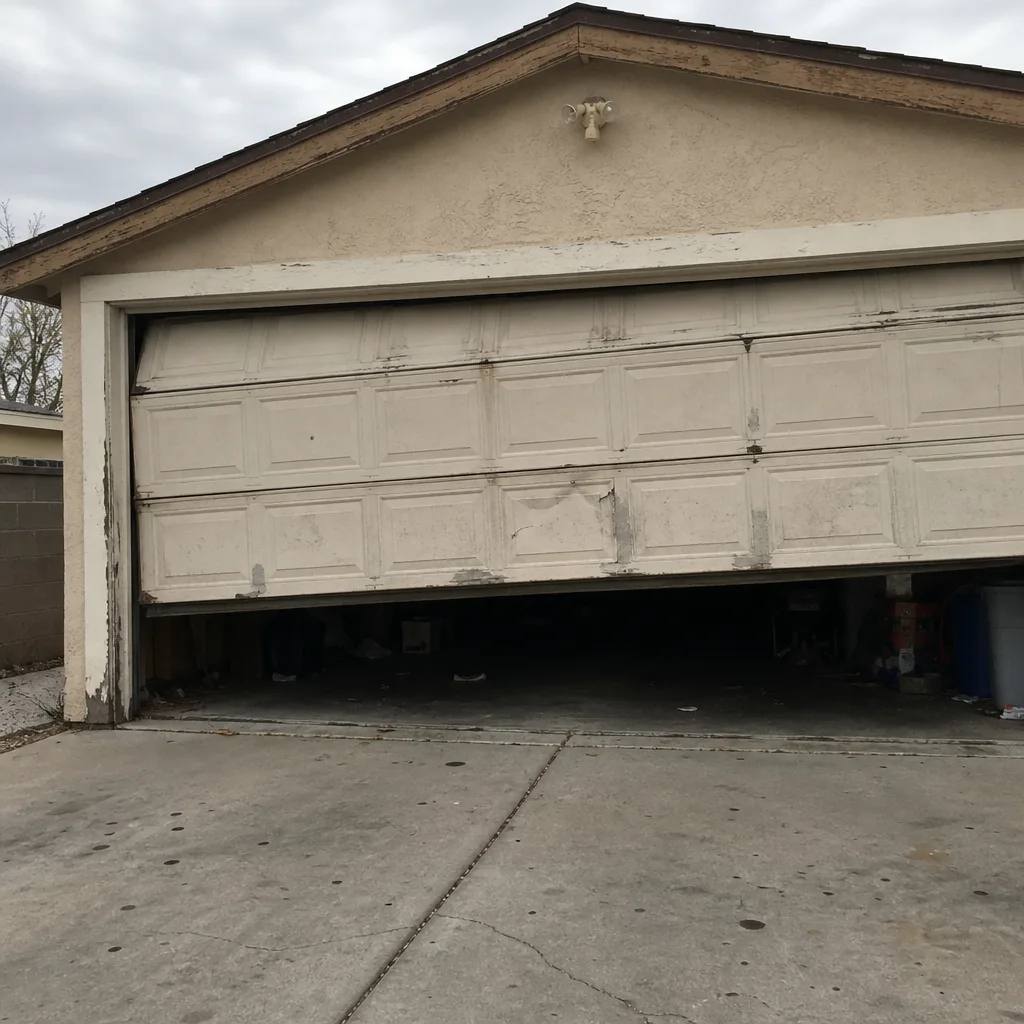 Before
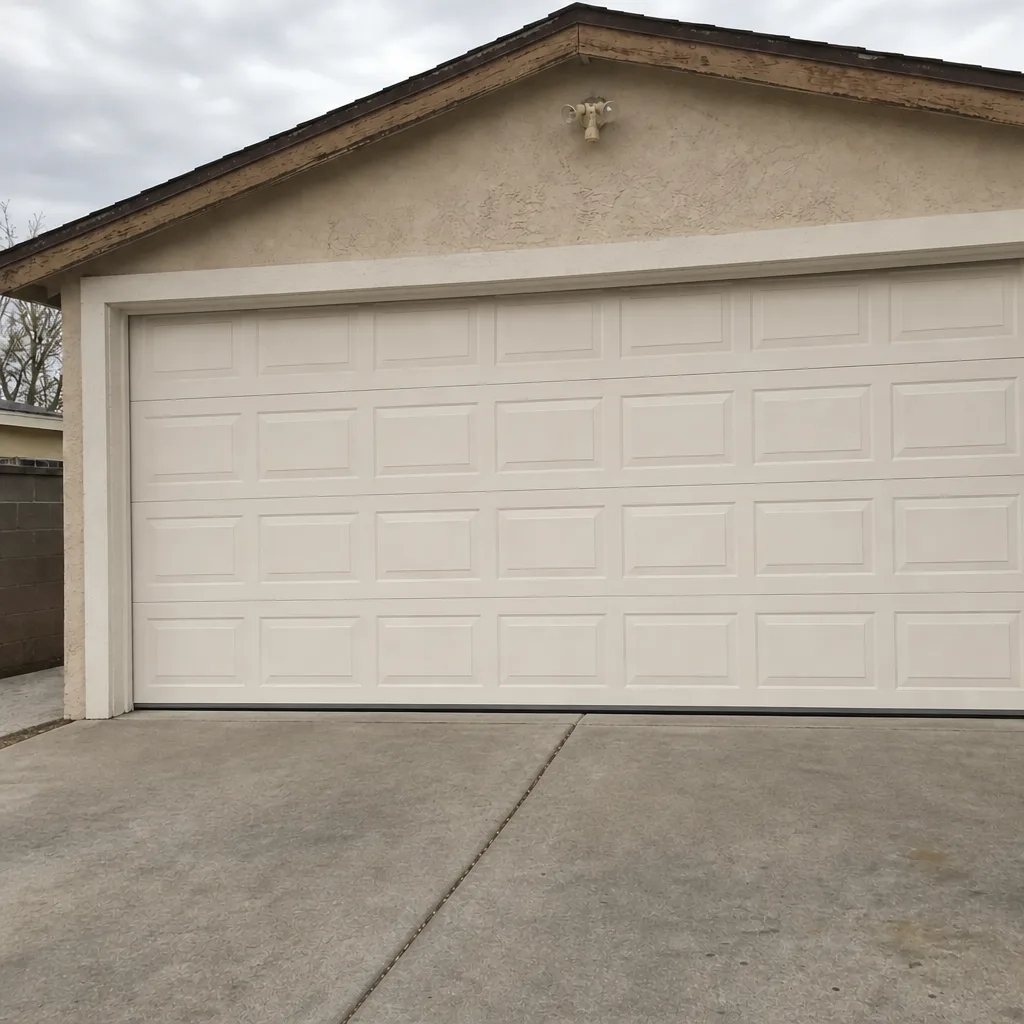 After
When to Call a Professional
Some things need a trained hand. Call us when you see a snapped spring, a frayed or kinked cable, a door that won’t balance or feels dangerously heavy, or a safety reverse that won’t engage. Those aren’t homeowner jobs, and they aren’t worth the risk. For rolled or bent tracks, broken hinges, or an opener that’s failing electrical safety tests, the same applies. A door is a heavy machine, and a few hundred pounds moving over your head deserves respect.
Otto’s Garage Door Sunrise Manor offers free estimates in Sunrise Manor – call (888) 274-8795. We’ll quote the job before anyone touches it and hold that price at the door, and it’s backed by the 90-Day Done Right Promise in writing.
Frequently Asked Questions
Twice a year for the hinges, spring, and roller bearings, plus a quarterly wipe-down of the tracks to clear dust. Use silicone spray or white lithium grease, not WD-40.
Desert UV and heat break down nylon much faster than a mild climate does. We regularly see rollers cracking in eighteen months here that would last four years in a cooler, wetter region.
Every monsoon season, not just once a year. In a dry spring the rubber can crack, and the first storm pries it open. If you can see light under the closed door, it needs replacing.
No. Springs are under extreme tension and can fail without warning. That’s a job for a trained technician, and it’s one we do safely. Call (888) 274-8795 for an estimate.
Raise it partway by hand and let go. A balanced door stays in place. A door that drops or races up is out of balance and should be checked by a professional before it strains the opener.
All the major brands, including LiftMaster, Chamberlain, Genie, Craftsman, and Raynor. Whatever’s on your door or ceiling, we can get the parts and do the work.
The Bottom Line
Your door’s parts don’t age on a national schedule. In Sunrise Manor, heat and UV put rubber and nylon on a faster clock, which means checking rollers, seals, and hinges more often and lubricating with the right product. Do the ten-minute quarterly walk-around, get the bottom seal checked before every monsoon, and leave springs and cables to a trained technician. Get the spring inspected once a year and let a pro count the cycles. The rest is simple, and it adds years to the whole door.
When you’re ready, or when something doesn’t look right, call Otto’s Garage Door Sunrise Manor at (888) 274-8795 for a free estimate. We’re local, we’re owner-operated, and we’ll pick up when you call.
Written by the team at Otto’s Garage Door Sunrise Manor.