
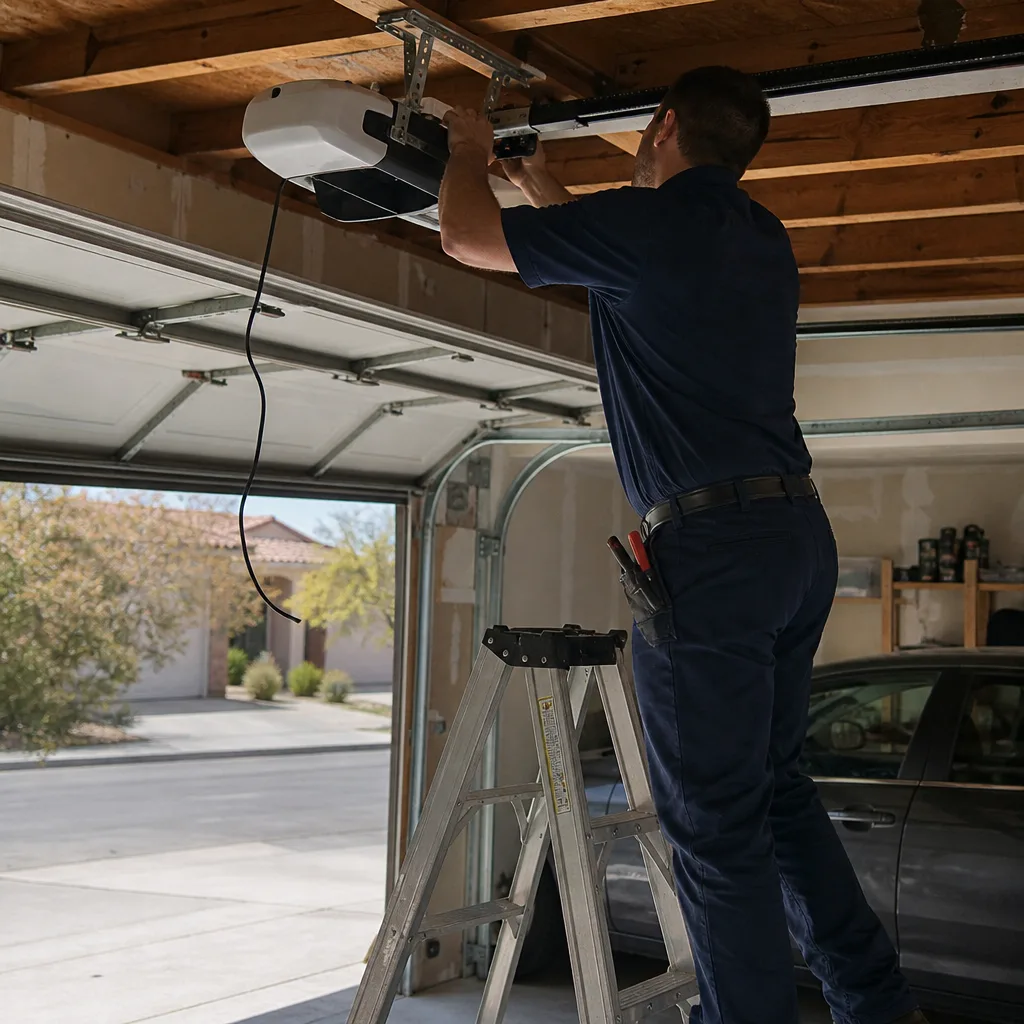
Last updated November 17, 2026
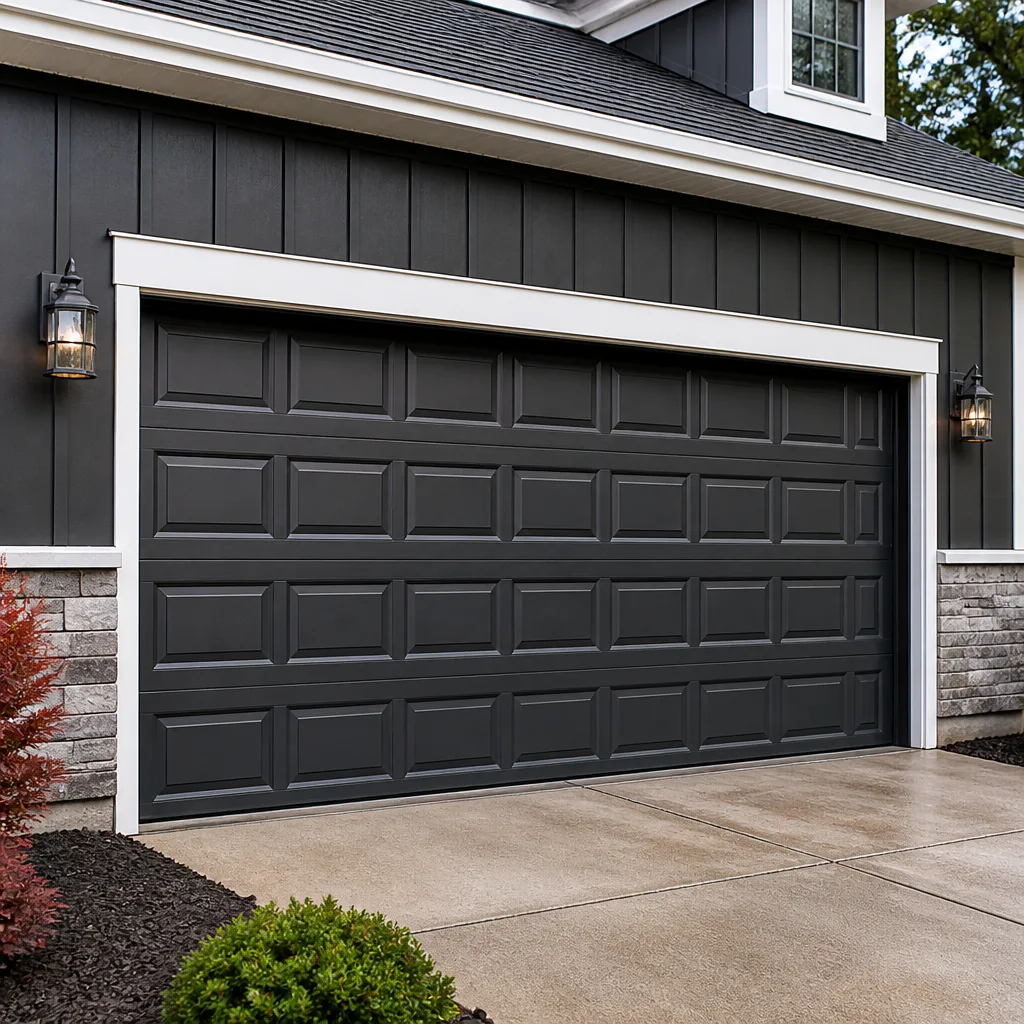 Raised-panel steel
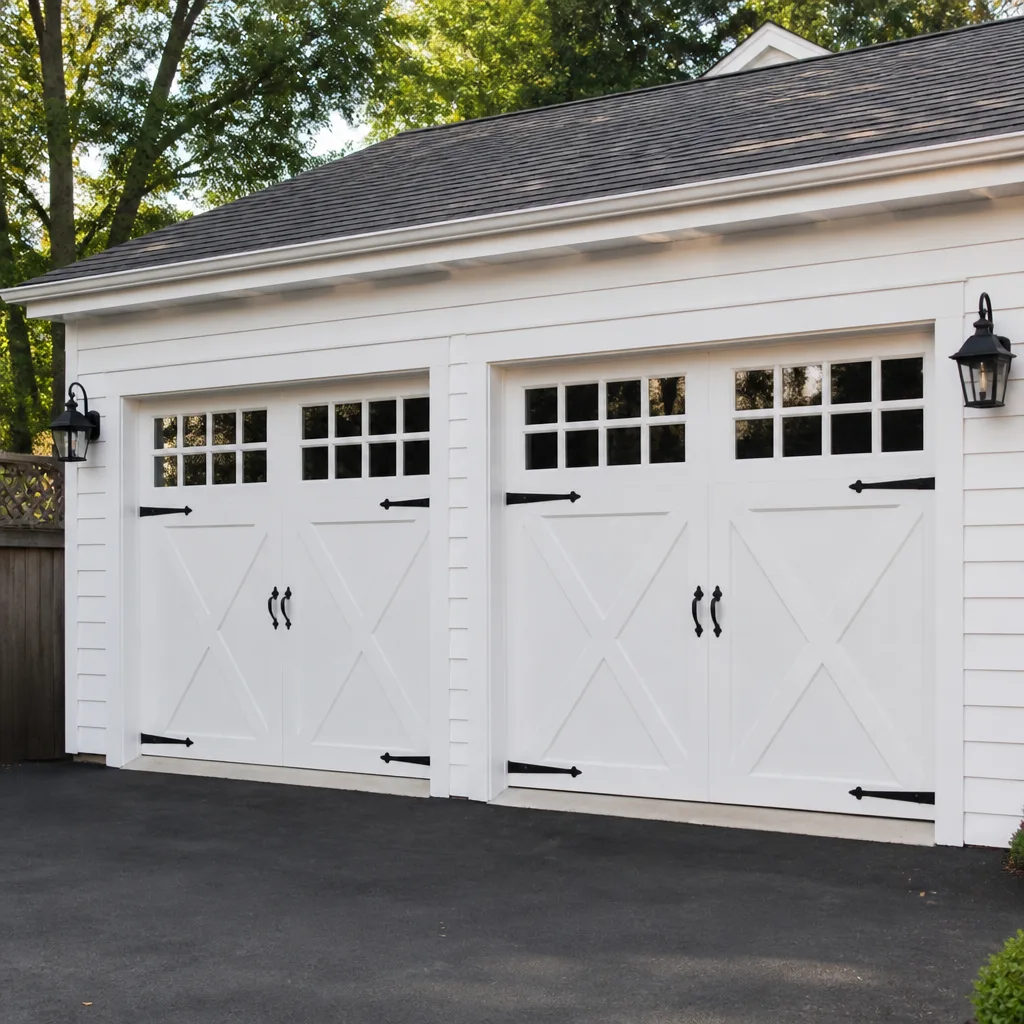 Carriage house
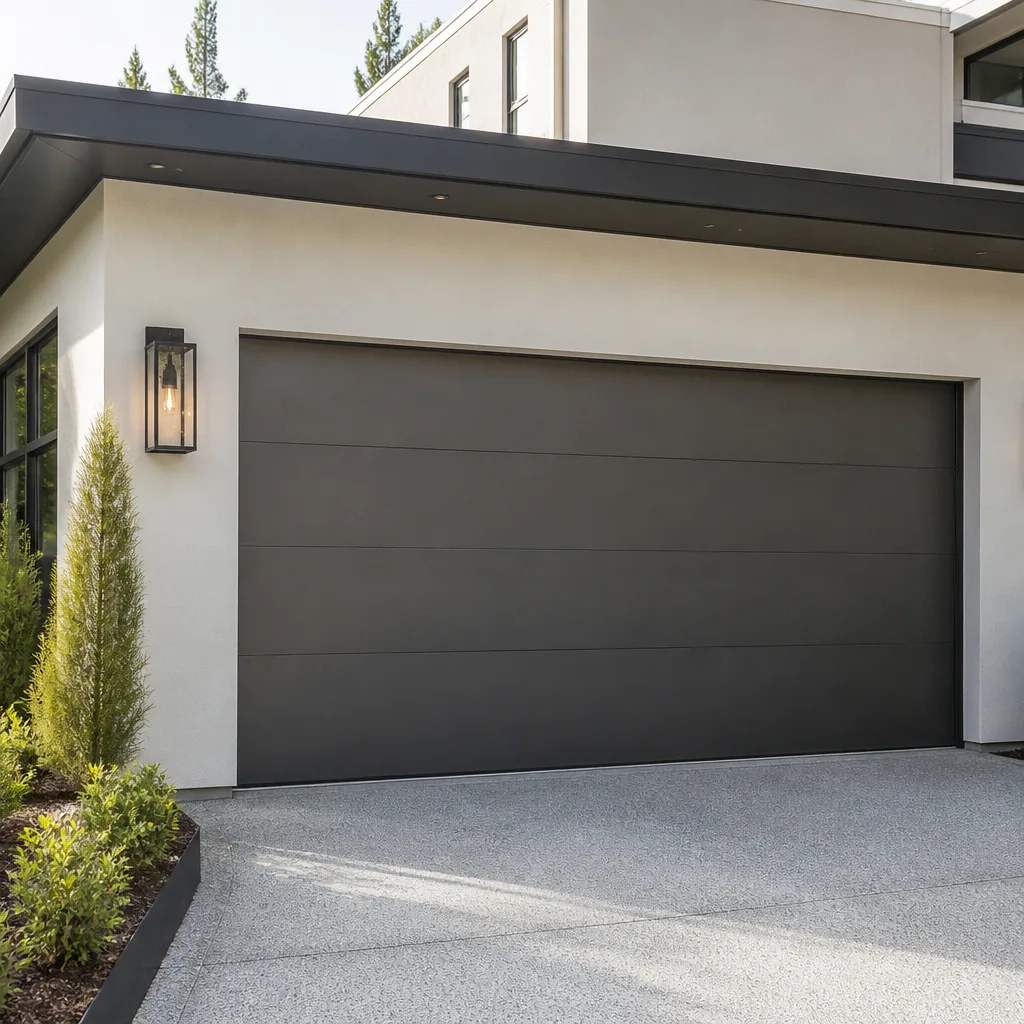 Modern flush
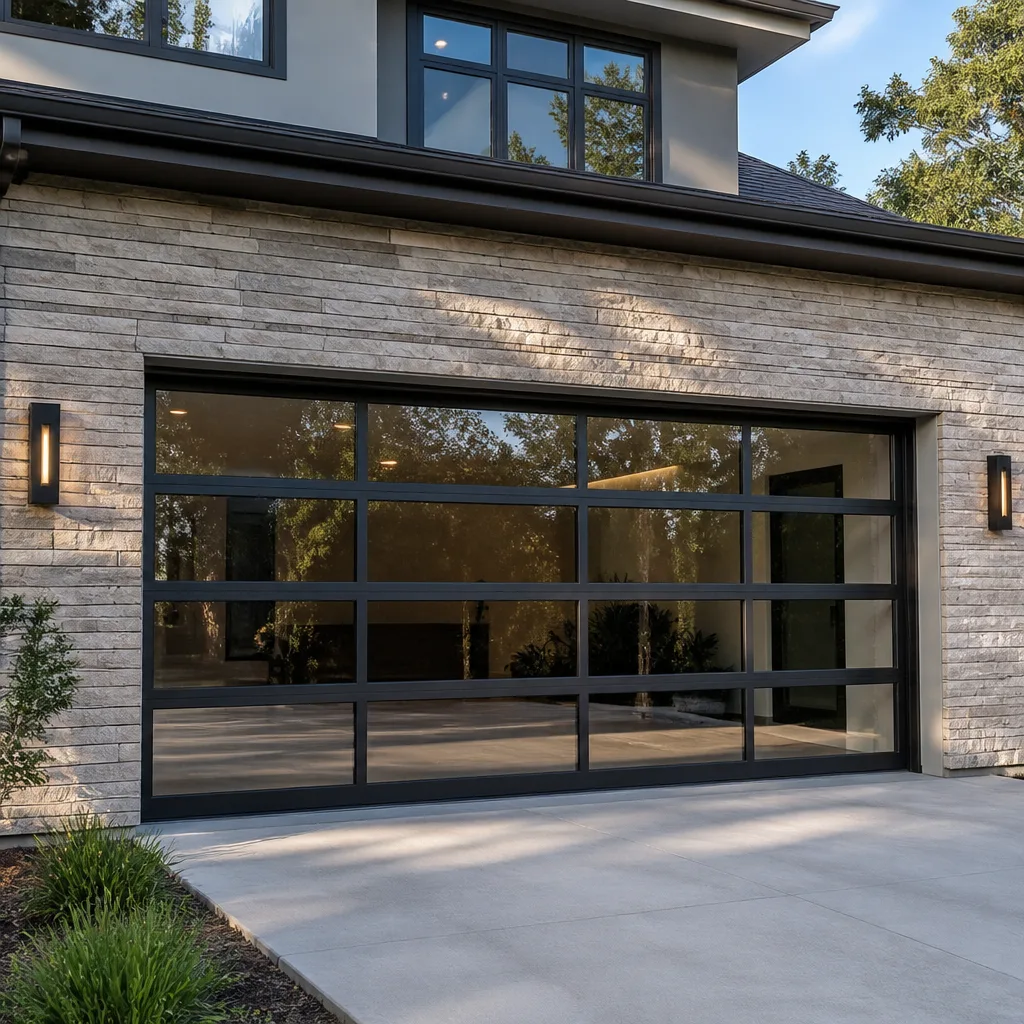 Full-view glass
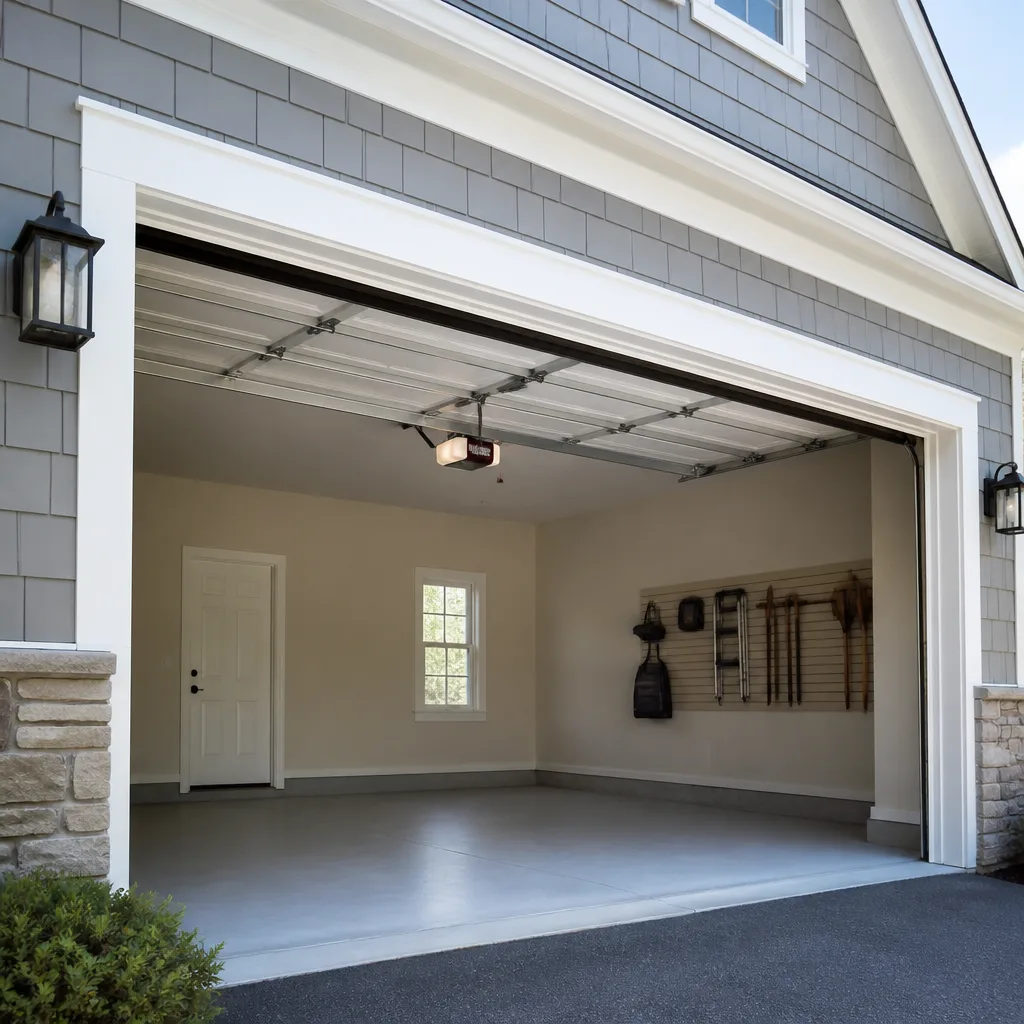 LiftMaster openers
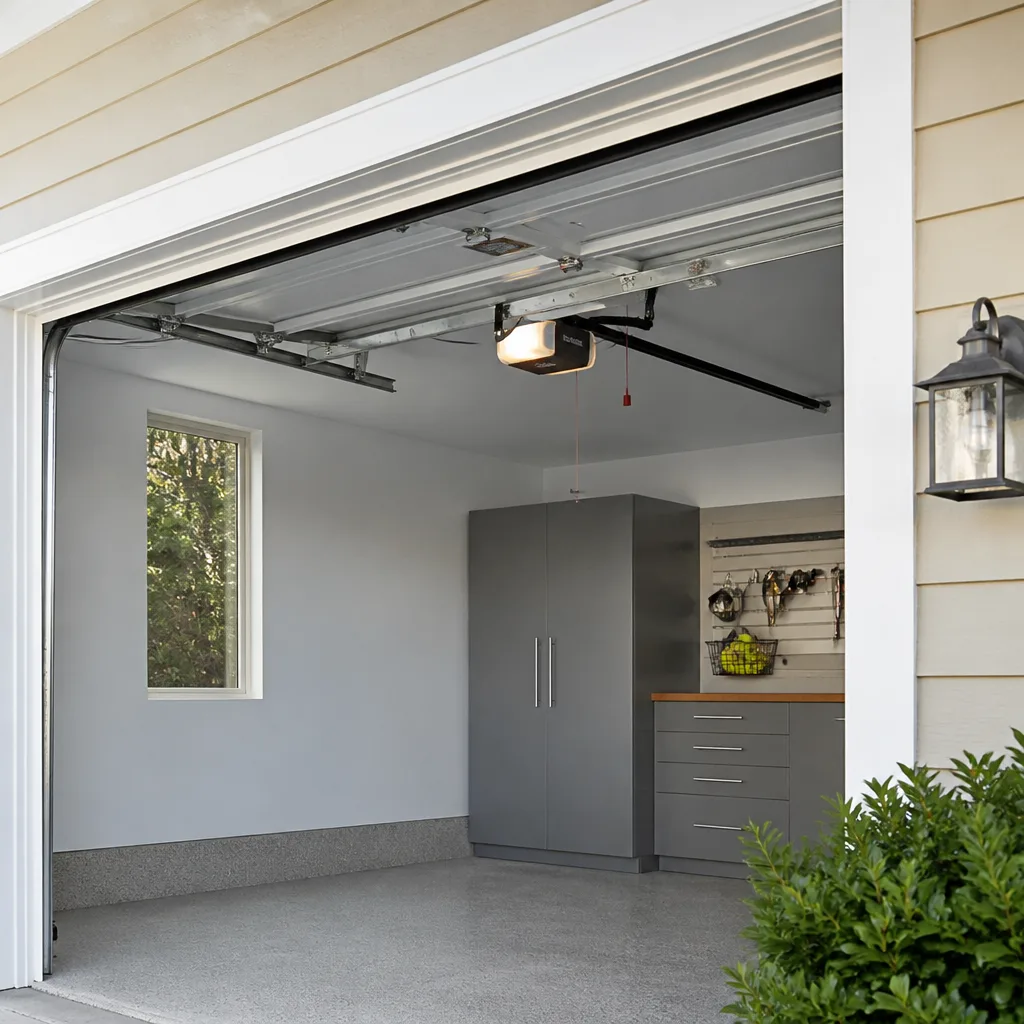 Chamberlain openers
Full 25-point door and opener safety check with every visit - springs, cables, rollers, tracks, and your LiftMaster or Chamberlain opener included
You get a price before we start. It does not change when the pro arrives.
Get your free estimateGarage Door Repair Troubleshooting: Common Problems and How to Fix Them
Most garage door troubleshooting guides are organized by part name, which is exactly backwards for a homeowner standing in the driveway in Sunrise Manor at 7 p.m. with a car trapped inside. A door that reverses before it hits the floor looks identical to a sensor problem, a limit-switch problem, and a binding track problem – and the fix for one of those will make the other two worse. That’s the thing nobody tells you. This guide branches by what your door actually does, tells you which symptoms are safe to sit on, and names the three situations where you stop troubleshooting entirely because a torsion spring is about to let go. We’ve been working on doors in this county since 2004, and the difference between a $15 fix and a $600 repair usually comes down to knowing which symptom you’re really looking at.
Quick Answer
Match your symptom to what the door does, not what part it is. If the door reverses before touching the floor, the cause is almost always the safety sensors, a travel limit setting, or a binding track – check sensors first, then tracks, then limits. If the door won’t move at all, suspect the opener’s safety reverse, a broken spring, or a dead remote battery. If the door is loud or jerky, lubrication fixes it about 40% of the time and hides a real problem the other 60%. Any time you hear a loud bang from above the door and the door won’t lift, stop – that’s a torsion spring, and it’s not a homeowner job.
Styles & brands we work with
- Raised-panel steel
- Carriage house
- Modern flush
- Full-view glass
- LiftMaster openers
- Chamberlain openers
Table of Contents
- Start Here: The Symptom-First Decision Tree
- Door Reverses Before It Hits the Floor
- Door Won’t Move at All
- Reading the LED Blink Codes on Common Openers
- Loud, Squeaky, or Jerky Door
- The Three Times a Minor Symptom Means a Spring Is About to Fail
- The Two-Minute Inspection We Run Before Touching a Tool
- Common Mistakes to Avoid
- When to Call a Professional
- Frequently Asked Questions
Start Here: The Symptom-First Decision Tree
Forget part names for a minute. Open your garage door if it will open, or stand in front of it if it won’t, and answer one question: what is the door doing? Every troubleshooting path below starts there.
- Door won’t move at all. Check the wall switch, the breaker, and the opener’s LED. Then look at the springs above the door. A broken spring is visible as a gap in the coil – one spring section separated from the rest. If you see a gap, stop reading and call.
- Door moves a few inches and reverses. Almost always a travel limit switch set too tight, or a safety sensor knocked out of alignment. Go to the “Reverses Before It Hits the Floor” section.
- Door lifts but won’t close. This is the safety reverse system doing its job. Something is in the sensor path or the sensor lens is dirty. Nine times out of ten it’s the sensor.
- Door is loud, jerky, or grinds. Lube first, then inspect. The “Loud, Squeaky, or Jerky” section explains why this symptom is the trickiest.
- Door goes up crooked, one side lagging. A cable or spring problem. Not safe to keep cycling. This is a call.
- Opener clicks but door doesn’t move. Could be the opener’s gear, the carriage, or the emergency release pulled. Check the release first – it’s free.
That said, if at any point you’re not sure, that’s fine. We get calls in Sunrise Manor every week from homeowners who aren’t sure, and a Garage Door Repair in Sunrise Manor visit starts with the same visual check we’d run ourselves.
Door Reverses Before It Hits the Floor
This is the symptom that trips up almost every homeowner because it looks exactly like three different problems. In our experience across Sunrise Manor, the split runs about 60% sensor misalignment, 25% travel limit setting, and 15% binding track.
Check the sensors first. They’re the two little eye-looking units about six inches off the ground on each side of the door track. Look for a small LED on each. On most models, both should be solid; if one is blinking, that’s your problem. Dust, spiderwebs, a bent bracket, or the sun hitting one sensor directly at the same angle every afternoon will all cause this. This is very common in Sunrise Manor in the summer, because the afternoon sun hits western-facing doors hard from April through September and the sensors slowly drift out of alignment from the heat expansion.
Then check the tracks. Run your hand along each track and feel for bends or dents. A track that’s out of alignment by even a quarter inch will cause the door to bind and the opener to reverse on the safe side. Don’t try to bend it back with a hammer – a bent track is replaced, not repaired.
Then check the travel limits. On the opener housing, look for two adjustment screws labeled “Up” and “Down” (LiftMaster) or similar wording. If the down limit is set too tight, the door reverses because it thinks it hit an obstacle. This is the one adjustment most homeowners can safely make – turn the down screw a quarter turn and test. If you have to turn it more than a half turn, stop: something else is wrong.
Door Won’t Move at All
A dead door narrows fast. Work through this in order and you’ll usually find it inside five minutes.
- Wall switch. Press the button on the wall, not the remote. If nothing happens from the wall switch either, it’s not the remote.
- Remote battery. If the wall switch works but the remote doesn’t, it’s the battery or the remote’s programming got wiped. Fresh CR2032 solves half of these.
- Breaker. Garage opener circuits share with outlets in most Sunrise Manor homes. Flip the breaker off and back on.
- Manual release. Look for the red pull cord hanging from the opener carriage. If somebody pulled it and left it down, the door is disconnected from the opener and won’t respond. Reconnect it by pulling the carriage back toward the opener with the door closed.
- Safety reverse system fault. If the opener clicks once and then stops, the safety reverse system may have locked out. Press and hold the wall button for a few seconds; on many Chamberlain and LiftMaster units that clears the lockout.
- Broken spring. Walk outside, look above the closed door for the spring coil (usually horizontal, running parallel to the door). Any gap in the coil means it’s broken. Do not try to lift the door yourself.
If all six of those fail, something inside the opener has worn – usually the drive gear on older Genie and Craftsman units – and that’s a repair, not a reset. A Garage Door Opener Repair & Installation in Sunrise Manor call sorts it out.
Reading the LED Blink Codes on Common Openers
Every modern opener talks to you in blinks. The manual will translate, but if you don’t have it, here’s the pattern. Count the blinks, note the pauses, and match it. Codes repeat on a loop, so watch for a full cycle.
- LiftMaster / Chamberlain (same family, same codes): 1 blink = wiring fault or sensor alignment. 2 blinks = safety sensor obstruction. 3 blinks = safety reverse system malfunction (usually the sensor bracket). 4 blinks = door travel limit not set. 5 blinks = a problem with the wall control wiring. Continuous blinking with no door motion = the opener is in lock mode.
- Genie: Genie uses a diagnostic LED that flashes a number of times before a pause. 1 = sensor. 2 = travel limit. 4 = motor or wiring fault. Consult the door of the motor unit for the exact code sheet – most Genie units have one taped to the inside of the housing.
- Raynor: Raynor openers often pair with LiftMaster or Genie internals depending on the model. Count blinks and match to whichever family the motor housing resembles.
- Craftsman: Older Craftsman units often run a self-diagnostic on a single LED. One blink and a long pause is normally “sensor”, a fast blink is “travel limit”. Newer models use the Chamberlain blink-count pattern.
One practical note: in Sunrise Manor the sensor obstruction code is by far the most common one we see, especially on doors that face west. If you see 2 blinks, aim your money at the sensor brackets before the motor.
Loud, Squeaky, or Jerky Door
A noisy door is the trickiest symptom to self-diagnose because it has two completely different meanings. About 40% of noise complaints we see are genuinely just a dry door – the metal rollers, hinges, and spring coil are dry and begging for lubrication. The other 60% are the door telling you something is wearing out, and a can of lubricant just hides the sound while the real problem gets worse.
Here’s how to tell the difference:
- If the noise is a squeal or high-pitched whine and it starts within a few seconds of the door moving, it’s usually dry hinges and rollers. Lubricate with a proper lithium or silicone spray (not WD-40, which attracts dust and gums up over time). If the sound mostly goes away in one cycle, you had a lube problem.
- If the noise is a grinding or scraping, or the door jerks or shudders as it moves, don’t lube first. That’s usually a worn roller, a bent track, or a fraying cable. Lubrication will make it quieter for a week and then the cable goes.
- If the noise is a loud pop or bang from above the door, followed by the door becoming very heavy to lift – that’s not a noise complaint, that’s a broken spring. See the next section.
Also worth checking: the hinges. With the door closed, look at the hinges on each side. If you see a hinge plate that’s cracked or a bolt that’s come loose, that’s a $5 part and a five-minute swap. We do that on almost every Sunrise Manor service call we run on doors older than 15 years – the original hinges just don’t last longer than that.
The Three Times a Minor Symptom Means a Spring Is About to Fail
This is the part of the guide where we stop being gentle. Torsion springs store enough energy to kill a person – a door is 200 pounds riding on two springs – and they fail without warning, usually right as the door comes down or goes up. In Sunrise Manor, we see a spike in failures every spring because the desert temperature swings (75 in the day, 40 at night in March) expand and contract the steel faster than in mild climates, and the coils crack right where they were always going to.
Here are the three situations where a minor symptom is actually a spring saying it’s done, and you stop troubleshooting and call:
- The door gets heavy or refuses to lift past waist height, but the opener still cycles. That’s a fatigued spring that’s lost most of its lift force. It hasn’t broken yet, but it’s measured in cycles, not months, and the opener is now straining to lift the entire door. Cycling it once more can break the spring while the opener is running.
- A visible gap in the spring coil, a horizontal crack near one end, or a spring that looks “unwound”. Look above the door with the door closed. If you see any break in the coil, that spring is done. Don’t test it. Don’t spray it. Don’t do anything except call.
- The door lifts normally but the opener motor runs for a second or two after the door stops. That’s a sign the spring has lost tension and the opener is taking up slack. Small symptom, big warning. That one almost always precedes a break, in our experience, more often than it doesn’t.
One more thing: never try to adjust, wind, or unwind a torsion spring yourself. The tools alone are a specialty item and the wind-up is by feel, not by spec. If you were hoping for a “how to replace a garage door spring” section, we’d rather you call than read that.
The Two-Minute Inspection We Run Before Touching a Tool
Before we ever pick up a wrench on a Sunrise Manor job, we run the same six-step visual sequence. You can do this yourself, safely, in about two minutes with your eyes and one hand on a track. Here it is:
- With the door closed, look at both springs. Any gap, crack, or unwind = stop, call. If both are intact, proceed.
- Look at both vertical tracks. Sight down each track from the floor up. They should be straight and parallel. A visible bow or bend means the door has been binding.
- Look at the safety sensors. Both should show a solid LED. If one is blinking, that sensor is the culprit 90% of the time.
- Look at both cables (the thin steel lines running down each side of the door). They should be tight with no fraying or bird-caging at the drum. Frayed cable = stop, call.
- Look at the hinges and rollers. Rollers should spin freely by hand. Hinges should have no cracks and no loose bolts. A hinge you can wiggle with two fingers is a hinge that’s coming apart.
- Look at the weather seal at the bottom of the door. If you can see daylight underneath or the rubber is torn, that’s a cheaper fix now and a bigger one later. Sunrise Manor’s wind storms pull bottom seals loose on older doors more than most people expect.
If that inspection comes up clean, the door is mechanically sound and your problem is almost certainly the opener. A Otto’s Garage Door Sunrise Manor home walkthrough will tell you which of our service pages matches your problem.
Common Mistakes to Avoid
- Lubricating a grinding door as a first step. You’ll hide the real wear for a week or two and then pay for a cable or roller failure you could have caught. Lubricate squeals, not grinds.
- Using WD-40 as door lubricant. It’s a penetrant, not a lubricant, and in the desert dust of Sunrise Manor it will actually attract grit into the hinges. Silicone spray or lithium grease only.
- Adjusting the travel limit switches when the sensors are the problem. The adjustments feel like the fix, but if the door is reversing because of a sensor misalignment, cranking the down limit loosens the safety margin and eventually the door will come down on something that doesn’t move.
- Pulling the emergency release and leaving it pulled. Half the “opener won’t respond” calls we take aren’t mechanical problems at all – the release cord is down from the last power outage. Always reconnect it before calling.
- Testing a broken spring by trying to lift the door. A door without spring tension is 200 pounds of dead weight. Trying to lift it manually is where people hurt their backs, and worse, the door can come down fast if the opener was already engaged.
- Ignoring a single blink. One blink on a LiftMaster sensor isn’t a “we’ll fix that this weekend” symptom in most Sunrise Manor homes – it’s a door that will work today and quit at random, usually when you’re already late.
- Buying a replacement opener before the door itself is diagnosed. If the door is binding on the tracks, a new opener will fail inside a year just like the old one. Door first, opener second.
When to Call a Professional
Call us right away if you see a gap in a spring coil, a frayed or kinked cable, a door that hangs crooked, or a door that moves under its own weight when you let go of it – those are all safety issues, and no amount of troubleshooting fixes them. Also call if the same symptom keeps coming back after two of the fixes above (that’s usually a worn part, not a misconfiguration) or if the door is a model you can’t find a manual for. And call if you’re not sure – we’d rather talk you through a free diagnosis over the phone than have you guess at a spring. Otto’s Garage Door Sunrise Manor offers free estimates in Sunrise Manor – call (888) 274-8795. A new door or a major opener replacement is measured and scheduled, but repair calls usually happen the same day.
Frequently Asked Questions
Most common repairs in Sunrise Manor run $150 to $400, with sensor realignment at the low end, hinge and roller replacement in the middle, and spring replacement at the higher end. The price is quoted over the phone and held at the door – it doesn’t go up when the technician sees the job in person. Call (888) 274-8795 for an exact quote; estimates are free.
Yes, we handle same-day repair calls in Sunrise Manor most days, and after-hours emergency calls when a spring has let go or a car is trapped inside. Call us, and the person who answers will tell you a realistic arrival window and quote the job on that call.
No. We quote the job on the phone and hold that number at the door unless the door turns out to be a different problem than described – and in that case we tell you the new price before we touch anything, not after. Nothing gets done without your agreement first.
Yes. Otto’s Garage Door Sunrise Manor is licensed, insured, and bonded, and we publish both the business address and license number so you can verify them before the technician arrives. The name on the invoice is the name on the license.
Sunrise Manor summer heat expands the metal tracks and door panels, and doors that were tight in winter can bind slightly by July. Western-facing doors also catch the low afternoon sun on the safety sensors, which causes the door to refuse to close around 5 or 6 p.m. and then work fine in the evening. Both are real seasonal patterns, not coincidences. Call (888) 274-8795 if yours follows that rhythm.
Lubricating rollers and hinges with a proper silicone or lithium spray is a fine homeowner job about once a year and will quiet a squeaky door. What you shouldn’t lubricate is the spring coil itself if you can’t see the whole coil clearly, and you shouldn’t lube a door that’s grinding – that’s a worn part, not a dry one. When in doubt, ask on the phone before you spray. Call (888) 274-8795.
The Bottom Line
The trick with garage door troubleshooting is that the symptom on the outside doesn’t always match the cause on the inside. A reversing door is a sensor, a limit, or a track – check them in that order. A dead door is usually something small before it’s something mechanical. A noisy door is a lube job about 40% of the time and a warning sign the other 60%. And any time you see a gap in a spring, a frayed cable, or a door that won’t stay up, stop troubleshooting and call. If you’re in Sunrise Manor and you’ve read this far and you’re still not sure which one you’ve got, that’s the moment to call – not because the door is dangerous, but because it might be. For Garage Door Installation in Sunrise Manor or a repair, the first step is the same: call (888) 274-8795 for a free estimate. Estimates are free, prices are quoted before we start, and they don’t move once we’re at the door.
Written by the team at Otto’s Garage Door Sunrise Manor.
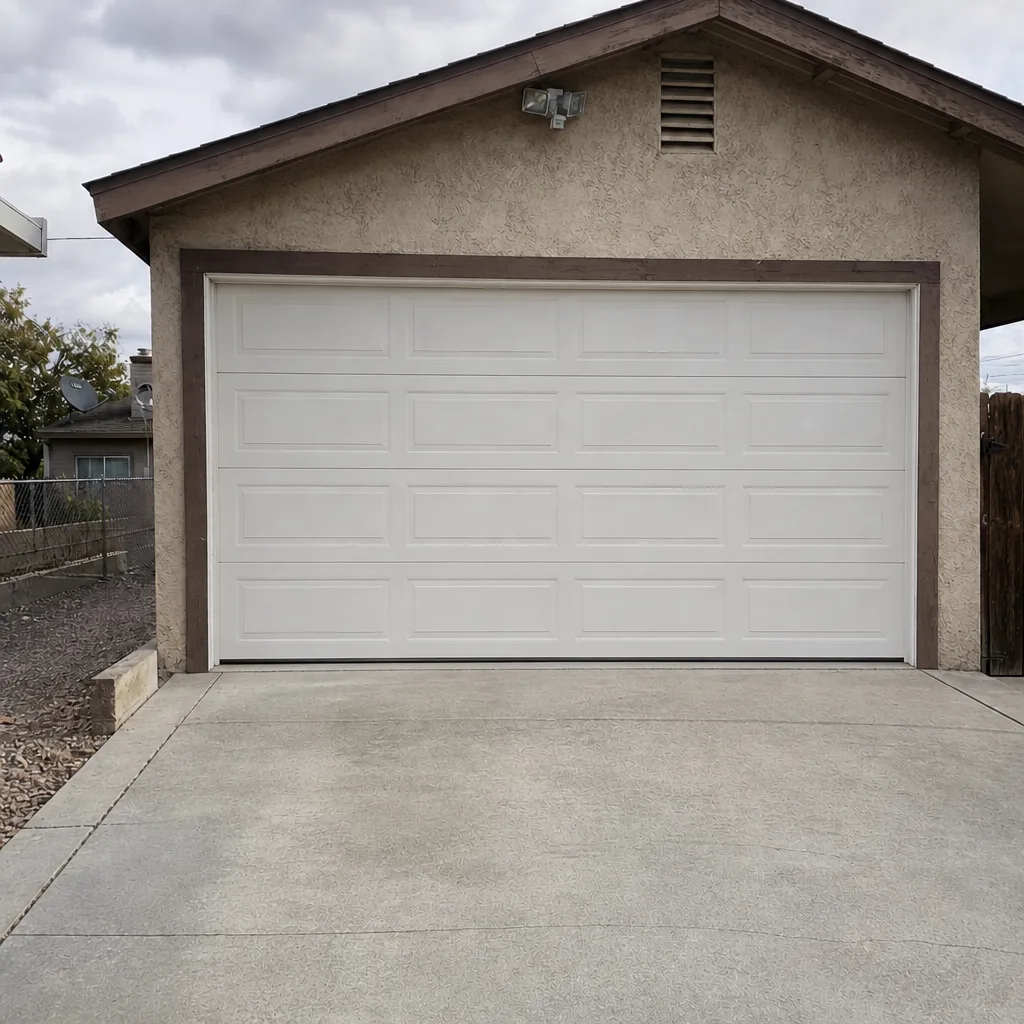
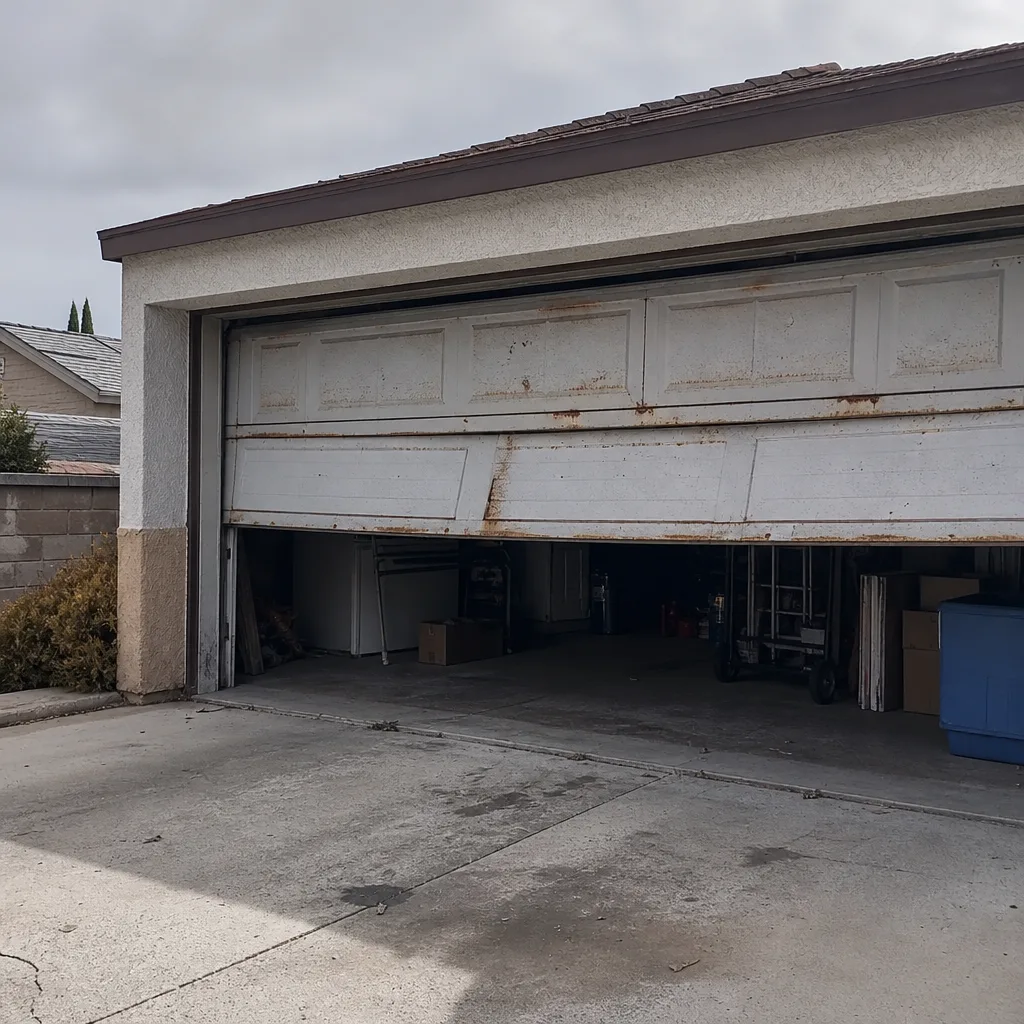
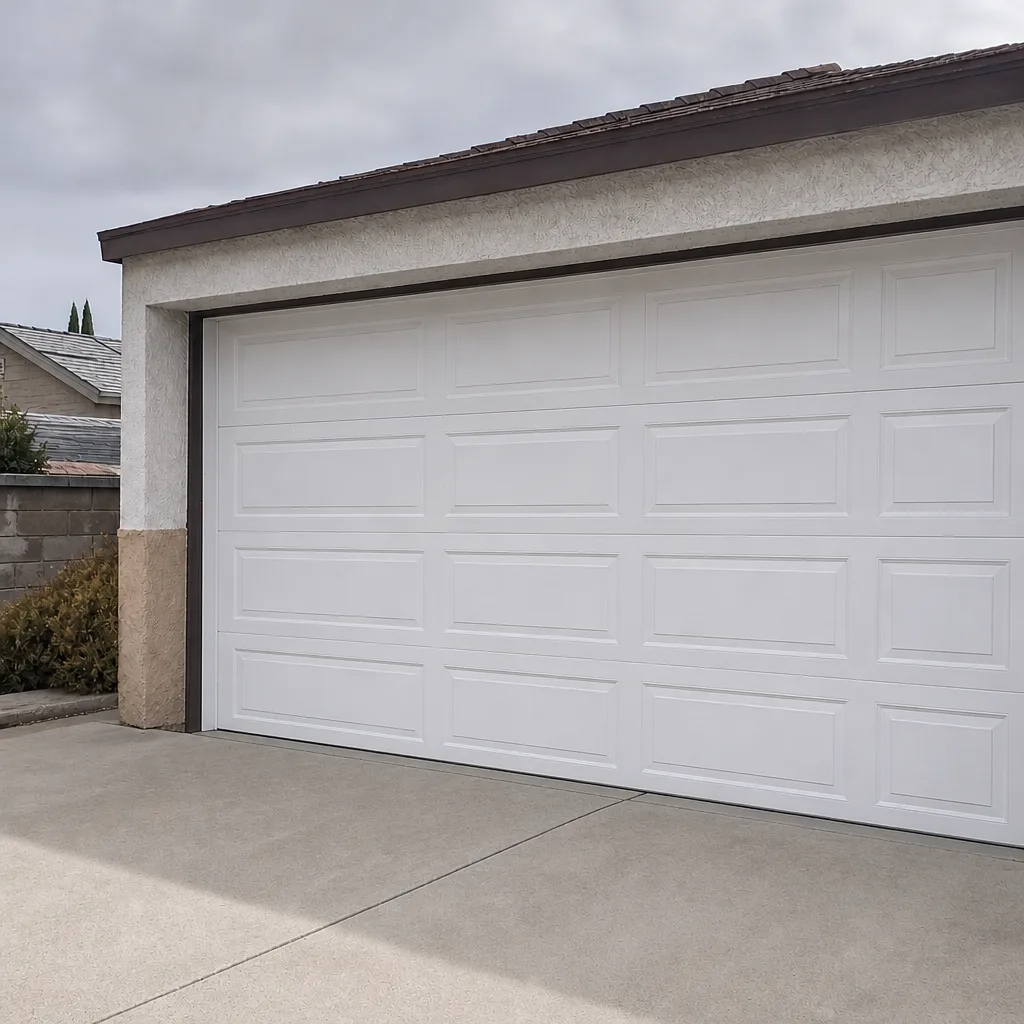
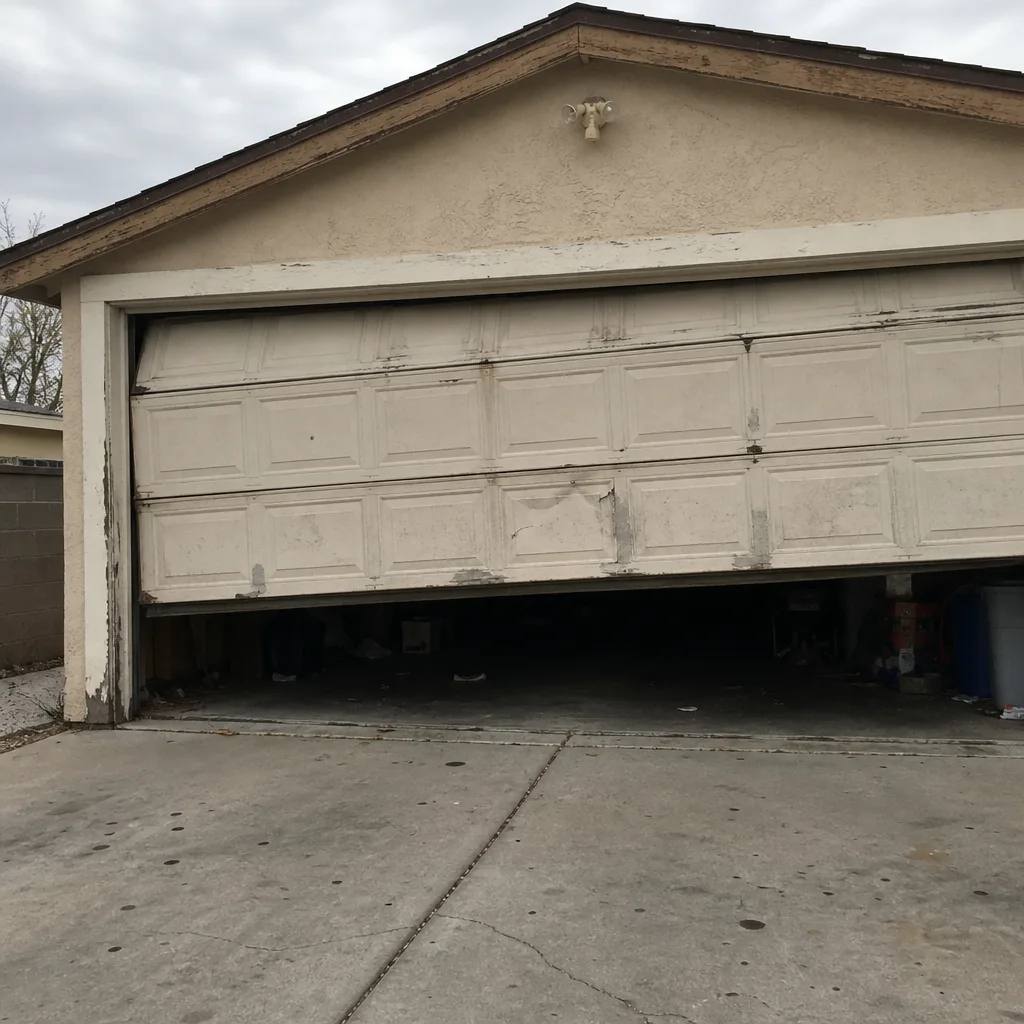
See the difference
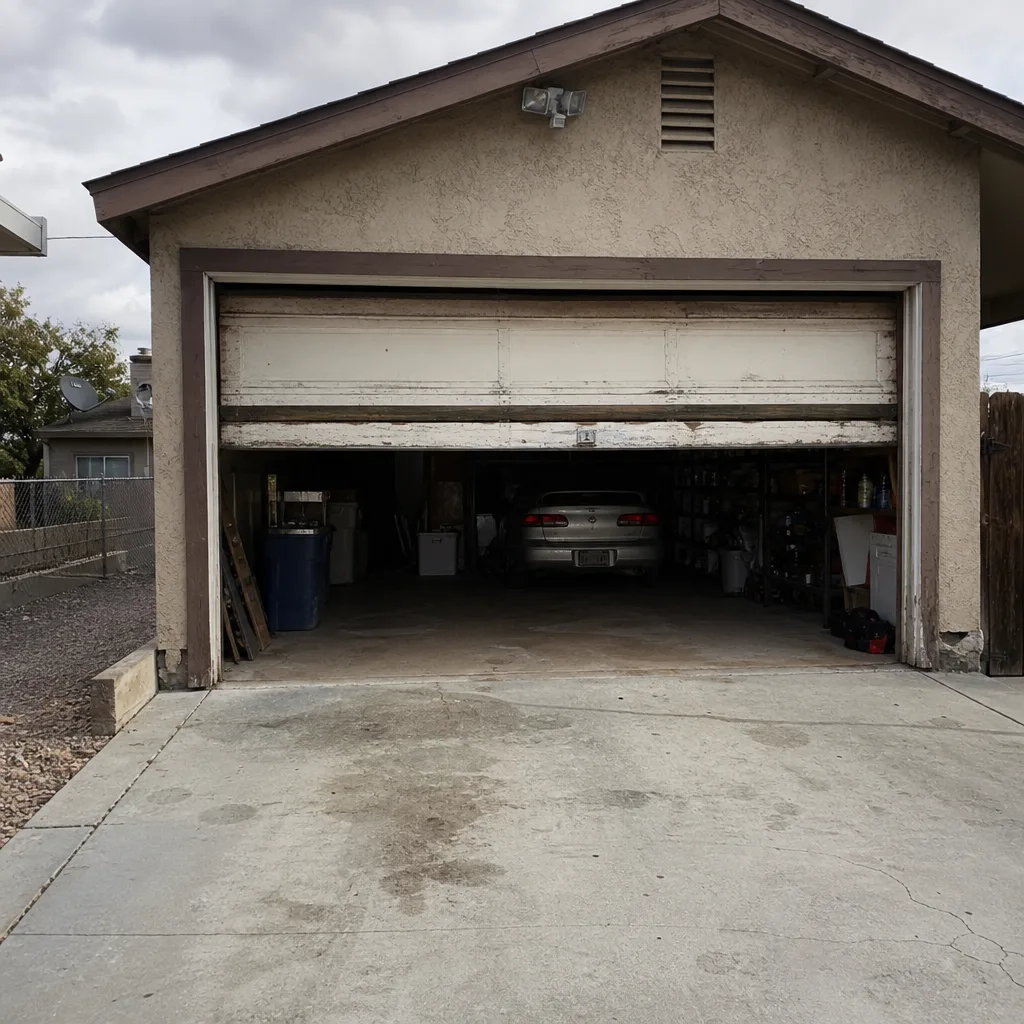 Before
 After
 Before
 After
 Before
 After